Nanotyrannus Skeleton Sells for $47.3M, Raising Access Concerns
A rare Nanotyrannus skeleton nicknamed Jodi sold for $47.3m at a Sotheby’s auction in New York, becoming the second-most valuable dinosaur fossil ever sold…
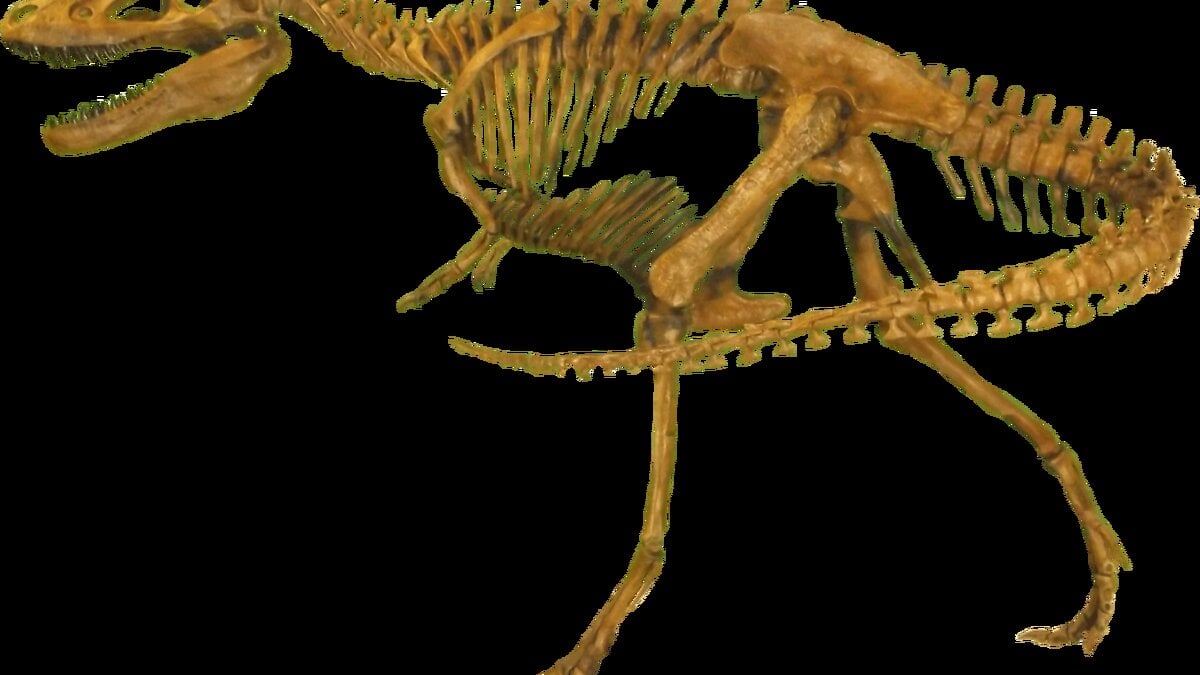
NEW YORK — The nanotyrannus skeleton sells $47.3m at a Sotheby’s auction in New York, placing the rare fossil behind only a Tyrannosaurus rex specimen in the all-time auction ranking. Nicknamed Jodi, the mounted skeleton was once thought to be a young T. rex before researchers identified Nanotyrannus as a distinct genus.
The sale has renewed a sharp question for scientists: will important fossils bought by private collectors remain available for research and public display? The winning bidder’s identity has not been disclosed.
Sotheby’s said Jodi sold for $47.3m (£35.5m). The Late Cretaceous carnivore had been expected to fetch at least $9m. Six interested parties took part in bidding that lasted 12 minutes, according to the BBC.
Why Jodi matters to researchers
The skeleton stands roughly 10 feet tall (3m) and contains about 191 fossil-bone elements. Sotheby’s described it as an “excellent exhibition-ready” specimen, with a “beautifully preserved, virtually complete skull.” The auction house said it is one of only three Nanotyrannus skeletons known to science.
That rarity gives the sale consequences beyond the price. If Jodi moves into a private collection and is no longer publicly accessible, researchers and visitors could lose access to a specimen tied to a long-running scientific dispute. The BBC reported that scientists have argued significant fossils should be displayed in public institutions, where they can be studied and seen.
“We've really just found out that Nanotyrannus is real, and now one of the best skeletons is about to be sold to the highest bidder, and it's harrowing to think it could disappear into the vaults of a collector rather than displayed on a museum where it can wo”
The BBC attributed those words to Prof Steve Brusatte, a palaeontologist at the University of Edinburgh. The published quotation ends mid-sentence.
Megan Jacobs, a palaeontologist at the University of Portsmouth, told BBC Radio 4’s Today programme that Nanotyrannus “was for a very long time believed to be sort of a teenager of T. rex”. She described it as smaller and more slender, with blade-like teeth for slicing through meat.
A fossil at the centre of a debate
Jodi was discovered by Montana rancher Jodi Pierson on her land in the Hell Creek Formation and later excavated by commercial palaeontologist Clayton Phipps. The skeleton was initially exhibited as a juvenile T. rex at London’s Frieze Masters international art fair in October 2023, before the genus was classified.
The identification followed research by Lindsay Zanno and James Napoli. Their work drew on the “Dueling Dinosaurs” fossil, discovered by Phipps eight miles (13km) from Jodi in 2006. It shows the remains of a Nanotyrannus and a Triceratops apparently in combat and became important to the case that Nanotyrannus was separate from T. rex.
The two dinosaurs lived during the same geological period, approximately 67 million years ago. The sale comes after Sotheby’s sold a T. rex named Gus for $50.1m in July. Jodi is now the second-most valuable dinosaur fossil sold, while a Stegosaurus named Apex ranks third after its $44.6m sale in July 2024.
For scientists, the concern is access to evidence. The auction house called Jodi exhibition-ready, but the sale’s undisclosed buyer has not said whether the skeleton will be shown publicly.
Source: bbc.co.uk