DBS Denies BCA Merger Rumors as Shares Jump More Than 7%
DBS has rejected market speculation that its Indonesian subsidiary could merge with Bank Central Asia, after BCA shares rose more than 7% on Wednesday. The…
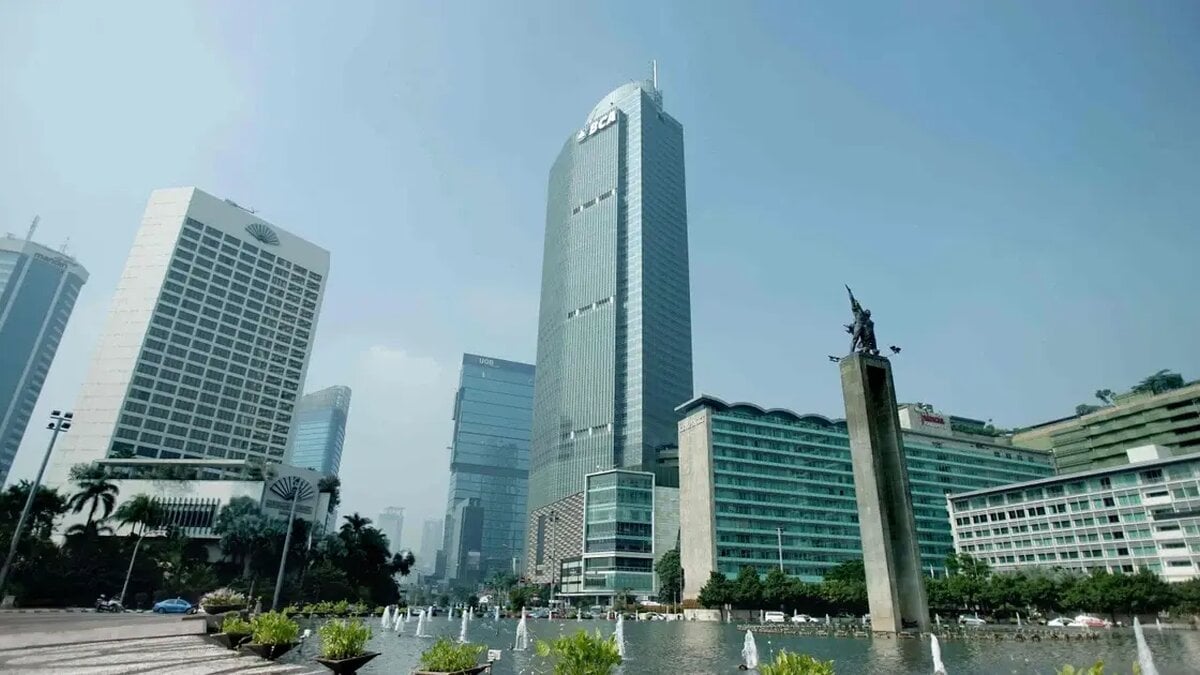
DBS denies BCA merger rumors after shares in Indonesia’s Bank Central Asia jumped more than 7% on Wednesday, bringing renewed attention to a possible combination of the lenders. DBS said the speculation was untrue, while analysts described potential strategic benefits but questioned the deal’s financial gains and feasibility.
“There is no truth to this rumour,” a DBS spokesperson told The Business Times. The publication said it had contacted BCA for comment but had not received a response at the time of writing.
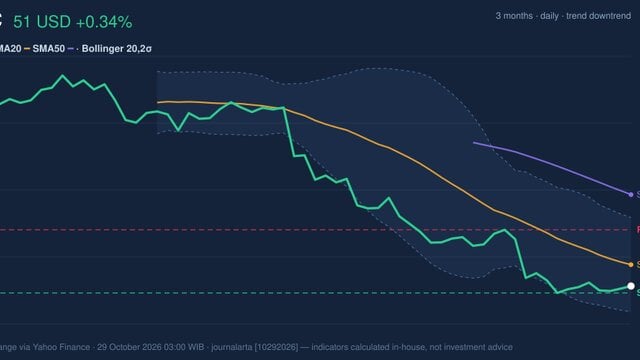
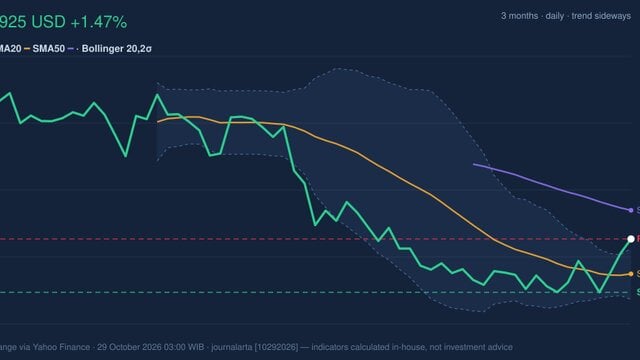
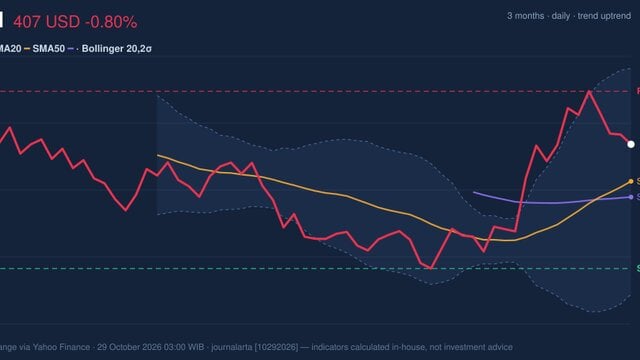
BCA shares closed at 5,275 rupiah on Wednesday. By noon on Thursday, they had retreated to 5,025 rupiah. DBS shares were down S$0.02, or 0.03%, at S$73.93.
The market speculation described a non-cash transaction in which DBS would exchange its 99% stake in DBS Indonesia for newly issued BCA shares. BCA owns the remaining 1% of DBS Indonesia. Under the reported proposal, BCA would remain the main entity and DBS would become a shareholder.
Analysts see strategic logic, but question the gains
Ricky Ho, chief investment officer of Four Capital, said a combination could bring together different strengths. DBS Indonesia has corporate banking, treasury, wealth management and institutional client operations, while BCA has a strong domestic deposit franchise, payments ecosystem and retail distribution network.
“Combining the two could create opportunities in corporate lending, transaction banking, cross-border financing, wealth management and fee-based income,” Ho said.
Still, Ho said the financial contribution could be modest. He questioned whether the transaction by itself would significantly change BCA’s earnings trajectory or support a substantial re-rating of its valuation.
Muhammad Nurkholis Syafruddin, an analyst at Mirae Asset Sekuritas, said BCA’s valuation decline amid uncertainty over a proposal by MSCI to downgrade Indonesia to Standalone Market status could, in theory, make the bank more attractive to strategic investors. He said any acquisition would depend on shareholder willingness, financing capacity and regulatory approval.
Those conditions matter because the rumoured structure would make DBS a BCA shareholder, rather than leave DBS Indonesia operating as the main entity. Any potential gains would therefore depend on whether the parties could agree on terms and secure the necessary approvals.
Different scale and recent market pressure
DBS Indonesia reported total assets of 164.83 trillion rupiah as of August 31, 2026, up 10.9% from a year earlier, according to its latest monthly financial statements. Its net profit for the eight months ended August was 1.27 trillion rupiah, down 1.4% year on year.
BCA, Indonesia’s largest private-sector bank by assets, had total assets of 1,641 trillion rupiah as of September 2026. Dwimuria, the investment holding arm of Djarum Group, remained its controlling shareholder with a 54.94% stake.
BCA shares had fallen around 35% year to date as of late October, amid wider market volatility, foreign investor outflows and concerns about Indonesia’s possible reclassification by MSCI. Its market capitalisation had declined to about 648 trillion rupiah.
DBS has previously been linked to possible acquisitions in Indonesia. Media reports in 2025 named DBS and Malaysia’s CIMB as frontrunners to acquire a controlling stake in Panin Bank. Neither bank ultimately submitted a binding bid, reports said, because they could not meet the sellers’ price expectations.
For now, DBS’s spokesperson has rejected the reported BCA transaction, while the market’s attention remains on whether the banks address the speculation further.
Source: businesstimes.com.sg