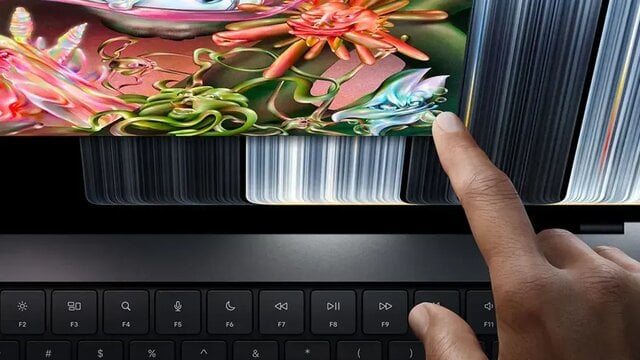
Apple’s Touchscreen MacBook Revives Debate Over Laptop Design
?s first touchscreen MacBook Pros have reopened a debate about whether laptop displays are practical to use by touch. Steve Jobs argued in 2010 that vertical…
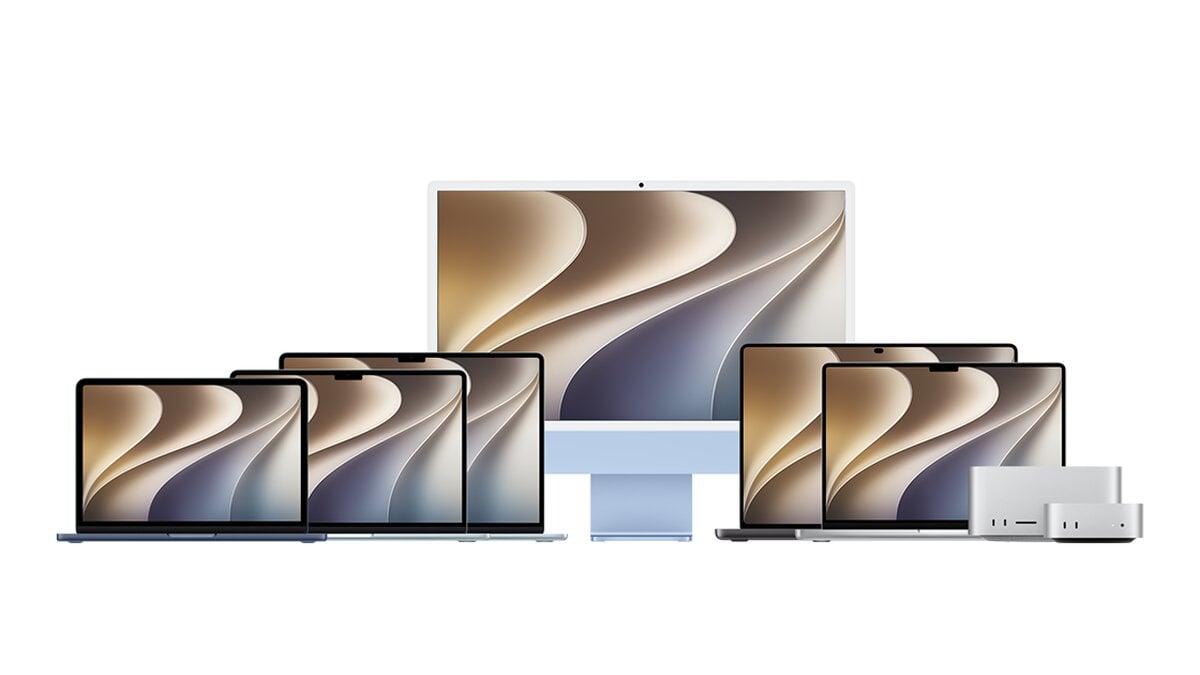
Apple’s first touchscreen MacBook Pros have revived the question of whether touch belongs on a laptop, as the weekly poll touchscreens laptops asks readers to weigh convenience against comfort. The debate reaches beyond Apple: touchscreen displays already appear on some Microsoft Surface models, Windows on ARM laptops and x86 laptops.
Steve Jobs argued against the design in 2010, saying that using a vertical touch surface for an extended period fatigues the arm. Sixteen years later, Apple has announced MacBook Pro models with OLED-based touchscreens.
Why are laptop touchscreens being debated again?
The immediate trigger is Apple’s move into touchscreen MacBooks. The company’s announcement puts a familiar laptop feature into a new context: whether users should reach up to operate a display, rather than use a keyboard or trackpad.
Jobs had described the ergonomic concern in blunt terms. “Touch surfaces don’t want to be vertical,” he said, adding that users could feel fatigue after a short period and that an arm could tire during extended use. He called the design “ergonomically terrible.”
That view is now being tested against a market where touchscreen laptops are already available. Microsoft Surface laptops offer touch, while the feature also appears on many Windows on ARM and x86 machines. Touch is not confined to one computer maker or processor type.
Does the hinge change the case for touch?
The poll also raises whether touch works better on devices that fold into a tablet. Laptops with 360-degree hinges and 2-in-1 convertibles can switch into tablet mode, changing how people hold and use the screen compared with a conventional clamshell laptop.
Apple’s announced MacBooks do not have 360-degree hinges, making that distinction central to the debate. A touchscreen on a standard laptop asks users to reach toward a display that remains upright; a convertible can be repositioned for touch use.
The design choice has a direct practical consequence: people considering a touchscreen laptop must weigh the appeal of tapping the display against how they will use it for longer sessions. The poll does not frame touch as a feature for every laptop; it asks whether the format, especially the hinge, determines when it makes sense.
What changed since Steve Jobs’ objection?
John Ternus, Apple’s vice president of hardware engineering from 2012, later oversaw the transition of Macs from Intel processors to Apple silicon. The poll notes that the new MacBooks may have been designed before Ternus became chief executive, while describing his influence on their OLED touchscreens as substantial.
Apple’s announcement therefore puts an old ergonomic argument back in front of laptop buyers. Touchscreen options already exist across several kinds of Windows laptops, but Apple’s new models bring the debate to the MacBook Pro line.
The weekly poll asks readers whether Jobs was right about arm fatigue, or whether touch belongs on laptops—particularly designs that can convert into tablets. Apple’s announced MacBook Pro models use OLED-based touchscreens.