Moab excavation site oldest: Utah dig may reveal dinosaur species
Scientists have opened a dinosaur excavation site near Moab that could be among North America’s oldest Cretaceous bonebeds. Fossils may date to 138 to 141…
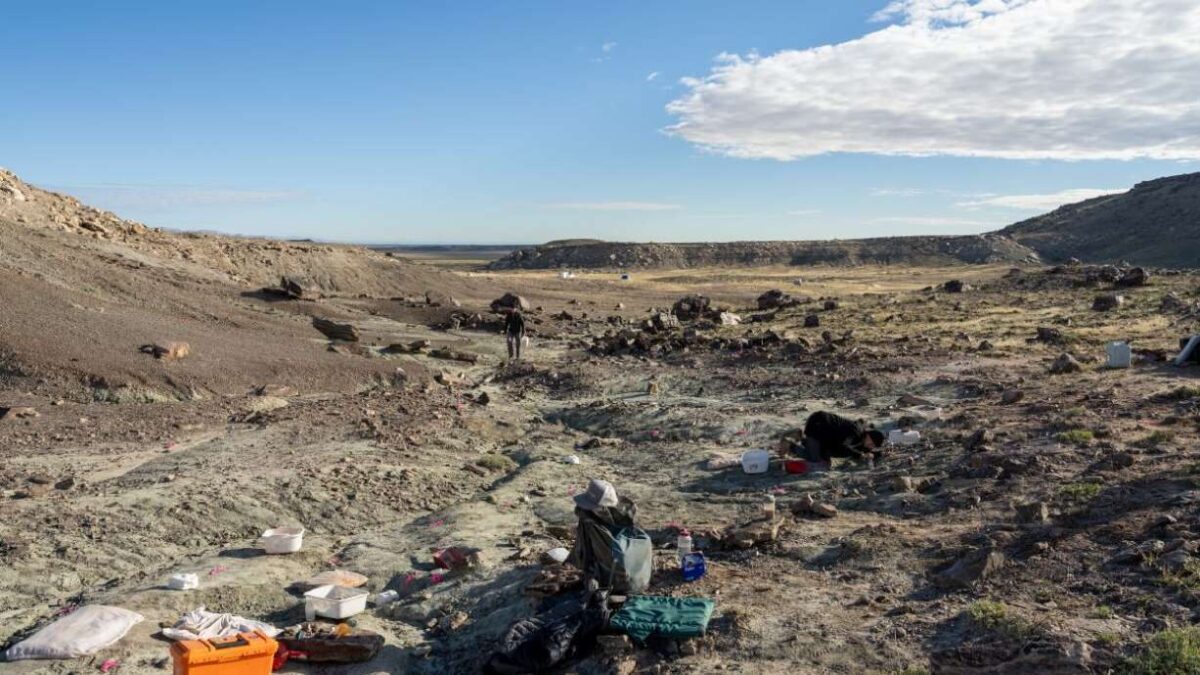
MOAB — Scientists opened a new dinosaur dig near Moab in mid-October that may rank among the oldest Cretaceous bonebeds in North America, and the moab excavation site oldest candidate could help explain a major evolutionary turning point.
The site lies outside Moab, in eastern Utah, near Arches National Park. Experts say fossils there could date back 138 to 141 million years, while the excavation may also contain a previously unknown dinosaur species.
The findings matter because the site’s age places it between the Jurassic and Cretaceous periods. Researchers hope fossils from that boundary will clarify a mass extinction that occurred during the transition.
Why is the Moab excavation site important?
Its age gives scientists a chance to study an interval between two geologic periods. Researchers believe evidence from the site could improve understanding of the extinction and the evolutionary changes around it.
The Utah Geological Survey described scientists working at the excavation as they investigate the site. The work is still at an early stage: officials said the site officially opened for excavation in mid-October, and the possibility of a new species remains a prospect rather than a confirmed discovery.
That distinction is important. The age estimate and the potential species are both part of what researchers are investigating, not a completed identification. Any fossils recovered could help establish what kinds of dinosaurs lived there and what the transition between periods looked like.
What could the fossils reveal?
The reported age range—138 to 141 million years—places the potential bonebed at a point of particular interest to paleontologists. Scientists hope the material will offer evidence about a mass extinction associated with the shift from the Jurassic to the Cretaceous.
A bonebed can bring multiple fossil finds from one location into the same research effort. In this case, researchers are examining whether the site’s age and remains can add information about a major evolutionary turning point. The Utah experts also see the possibility that a new dinosaur species may be represented there.
For the public, the immediate significance is the chance that excavation near Moab could produce evidence relevant to both dinosaur diversity and a major extinction. The work may also place eastern Utah at the center of research into a period that the scientists say remains important to understanding how dinosaur life changed.
The excavation is underway, but the claims remain conditional. Researchers have not presented a confirmed new species; they say the site could contain one, based in part on its geological age. The fossils could date back 138 to 141 million years.