Midterms Europe’s Three-Pronged Strategy After Trump Loss
Democrats’ midterm victory gives Europe a new Congress to engage, while leaving the continent to manage an unpredictable US foreign policy. The European Union…
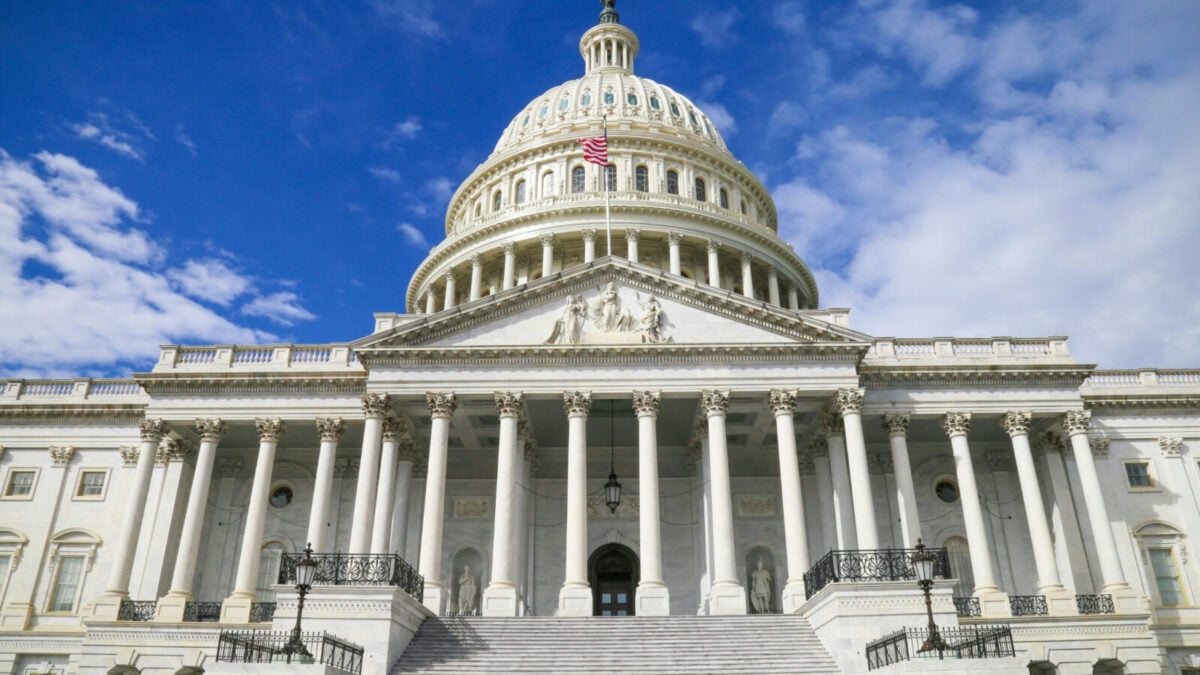
Democrats’ midterm victory gives Europe’s three-pronged strategy a new focus: engage a Congress controlled by Democrats, manage President Donald Trump’s unpredictable foreign policy and prepare for the relationship beyond 2028. The shift comes as Trump enters what the European Union Institute for Security Studies describes as a lame-duck term.
Europe now faces three US forces shaping the next two years: lawmakers concentrating on domestic issues, a president with more room to pursue international priorities, and voters debating the country’s future ahead of the 2028 presidential election. The institute argues that European governments need to approach each group differently.
The distinction matters. A Democratic-led Congress could create openings for cooperation, but lawmakers have fewer tools to restrain the president on foreign policy. At the same time, Trump’s choices abroad could affect European security and support for Ukraine.
How can Europe work with the new Congress?
Europe’s first task is to build coalitions with members of Congress while recognising the limits of their influence. Democrats are expected to focus largely on domestic issues, with the House investigating administration officials and allies and potentially withholding funding for Trump’s priorities.
The Senate will oversee confirmation of administration appointees and new Supreme Court justices. Yet Congress has less leverage on foreign policy than on domestic matters. Some legislation important to Europe, including the National Defense Authorization Act, passed in 2025.
Spending pressure also has limits. Democrats opposed the war against Iran, but are unlikely to block military funding completely if doing so would leave US forces unsupported during an armed conflict.
Tariffs offer another possible point of engagement. Congress is poised to reclaim some authority from the executive branch, though Democrats may disagree over whether to remove tariffs broadly. US voters recognise that tariffs affect prices, but only 37% of Democratic voters believe the next president should remove tariffs on the EU.
There are openings. Democrats are challenging Trump’s diesel deal with Russia and have threatened legal action against companies transporting the fuel. They have also pledged to oppose US troop withdrawals from Europe. The institute says Europe should support those efforts and use increased defence investment and a tougher stance on China to find areas for further cooperation.
Why could US foreign policy become less predictable?
Trump may turn to foreign affairs as domestic policy becomes harder to advance, the institute says. It points to past lame-duck presidents who used international initiatives to build a legacy or draw attention away from domestic problems.
That pattern could bring new risks. The war against Iran could escalate into another phase. Trump, after agreeing to purchase Russian diesel, is also eyeing the APEC summit as a chance to meet Xi and Putin and advance normalisation with Russia. In Cuba, he could pursue a controlled transition similar to the one in Venezuela.
Europe may face consequences without being the direct target. Recent threats to suspend intelligence sharing with Ukraine, along with other proposals, could weaken efforts to support Kyiv. Washington could also press European governments to make deals with Putin.
Europe’s engagement cannot stop with its traditional foreign policy contacts. The Democratic caucus will be more diverse, while some Republicans may distance themselves from an unpopular president. New lawmakers with little experience or interest in Europe will also enter Congress, making it important for European officials to explain the continent’s relevance to them.
The institute’s third priority looks beyond the current term: lay groundwork for transatlantic relations after 2028, as US voters debate the country’s future ahead of the next presidential election.