Canada’s EU proposal sharpens debate over Ukraine’s path
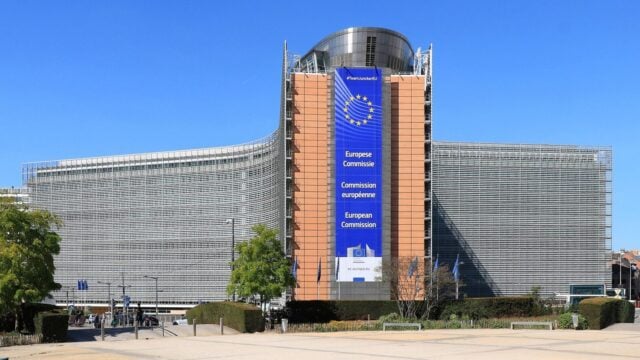
European Commission President Ursula von der Leyen proposed associate status for Canada at an EU-Canada summit in Montreal, though the category does not…
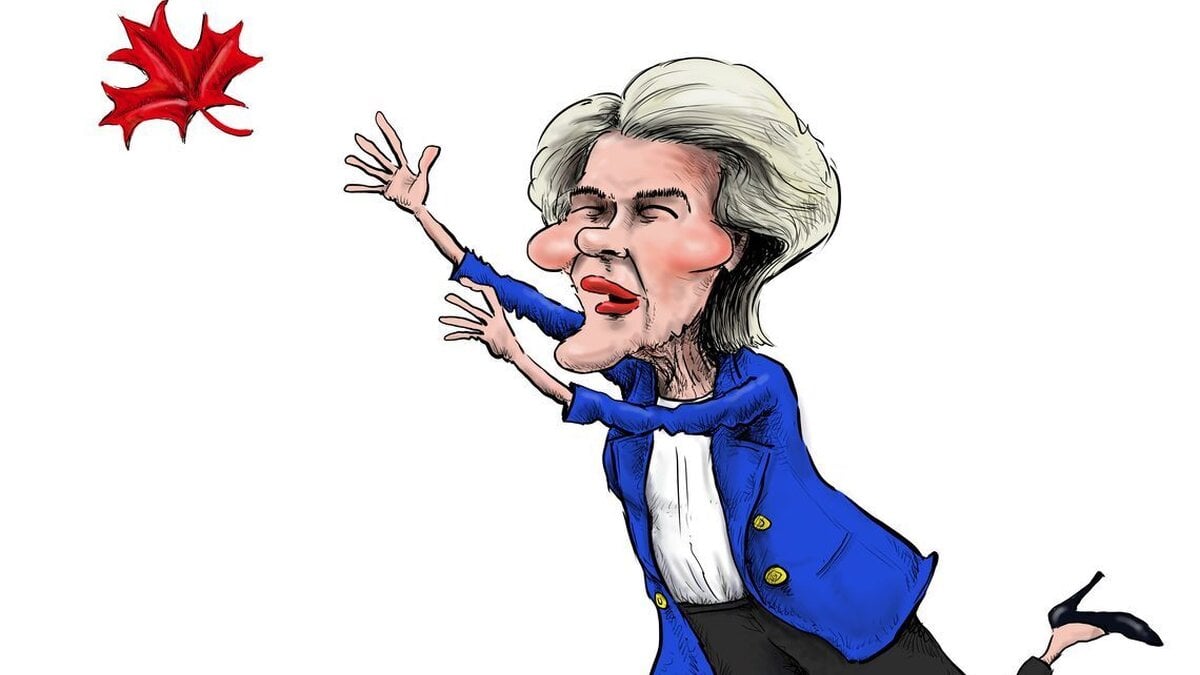
European Commission President Ursula von der Leyen proposed associate status for Canada at an EU-Canada summit in Montreal, sharpening the canada ukraine case looser debate over how the bloc should manage closer ties and enlargement. The category does not currently exist, and several European governments objected that the proposal had not been agreed internally.
Canadian Prime Minister Mark Carney welcomed closer relations with the EU but avoided calling for associate status. The dispute comes as Ukraine and Moldova continue to seek closer association with the bloc and, ultimately, membership.
The proposal puts pressure on the EU to consider whether its existing framework can accommodate countries seeking economic ties without full political membership. For Ukraine, the question could become especially consequential if a ceasefire freezes the war: the article’s author argues the bloc would have to offer fast-track access to its internal market, even if Ukraine could not meet all required standards in the short term.
What does the Canada proposal mean for Ukraine?
It has renewed a debate about flexibility in EU rules, but Canada’s proposed status remains undefined. Von der Leyen made the offer in Montreal, while Germany, France and Italy expressed indignation because the idea had not been agreed among EU members.
Carney’s response was more restrained. He welcomed closer ties with Europe but did not adopt the term “associate.” Canada’s relationship with the United States remains central because of geography, trade and security, while Carney’s government also wants to strengthen ties with other countries, particularly the EU.
The proposal follows strains in Canada-US relations, including over tariffs. US President Donald Trump has advocated making Canada part of the United States, an idea Canadians firmly reject. The account says trade with the United States will remain central and relations are expected to improve in both countries’ interests.
The EU already has arrangements that keep some European countries outside its political union while giving them access to parts of the bloc’s economic framework. Norway, Iceland and Liechtenstein, all members of the European Free Trade Association, participate in the EU internal market through the European Economic Area. Switzerland, another EFTA member, instead has bilateral agreements and is not part of the internal market.
Those arrangements show that cooperation with the EU need not take a single form. The author argues that a more flexible structure could help the bloc manage enlargement without imposing the same path on every partner. But the Canadian proposal has exposed disagreement within Europe over whether such a model should be created and who should approve it.
Why is the issue relevant to Ukraine?
Ukraine, Moldova and Georgia have sought association with the EU and, ideally, membership. The EU’s Eastern Partnership, proposed in 2013-2014, included Armenia, Azerbaijan, Belarus, Georgia, Moldova and Ukraine. The account says the initiative’s ambitions may have been unrealistic for Belarus and Azerbaijan.
Ukraine’s relationship with the EU carries a much heavier political history. When Kyiv’s government refused to join the Eastern Partnership, protests against pro-Russian President Viktor Yanukovych erupted in 2014. The events ultimately led to Russia’s annexation of Crimea and the war in Donbas, according to the article.
Expectations of rapid accession rose after Western politicians backed the Maidan activists, and the war in Ukraine did not eliminate those hopes. The author argues that once a ceasefire is reached and the conflict is frozen, the EU will have no choice but to provide Ukraine with fast-track access to its internal market.
That route would require a more pragmatic approach to standards, the article says, because Ukraine would not be able to meet every requirement in the short term. The proposed shift could make access possible before full membership, but it would also test whether EU governments accept greater flexibility in the rules applied to partners.
The article links the debate to the EU’s past enlargement and to the United Kingdom’s departure, the only case in which a member has left the bloc. It argues that excessive standards can weaken internal competition and alienate countries seeking closer ties. Prince Michael of Liechtenstein wrote: “Excessive standards have already cost the EU one member and hampered healthy internal competition; applying them selectively would alienate others.”
Whatever happens with Canada, the author says enlargement remains on the agenda for the Western Balkans, Ukraine and Moldova. For Ukraine, the proposal’s practical significance would hinge on a ceasefire and the EU’s willingness to grant fast-track internal-market access before the country meets all required standards.