Isle of Man Fishing Industry Doubts UK-EU Deal Will Cut Costs
A proposed UK-EU food-export deal could reduce checks on Isle of Man seafood, but fishing industry chief David Beard says the local benefits remain uncertain…
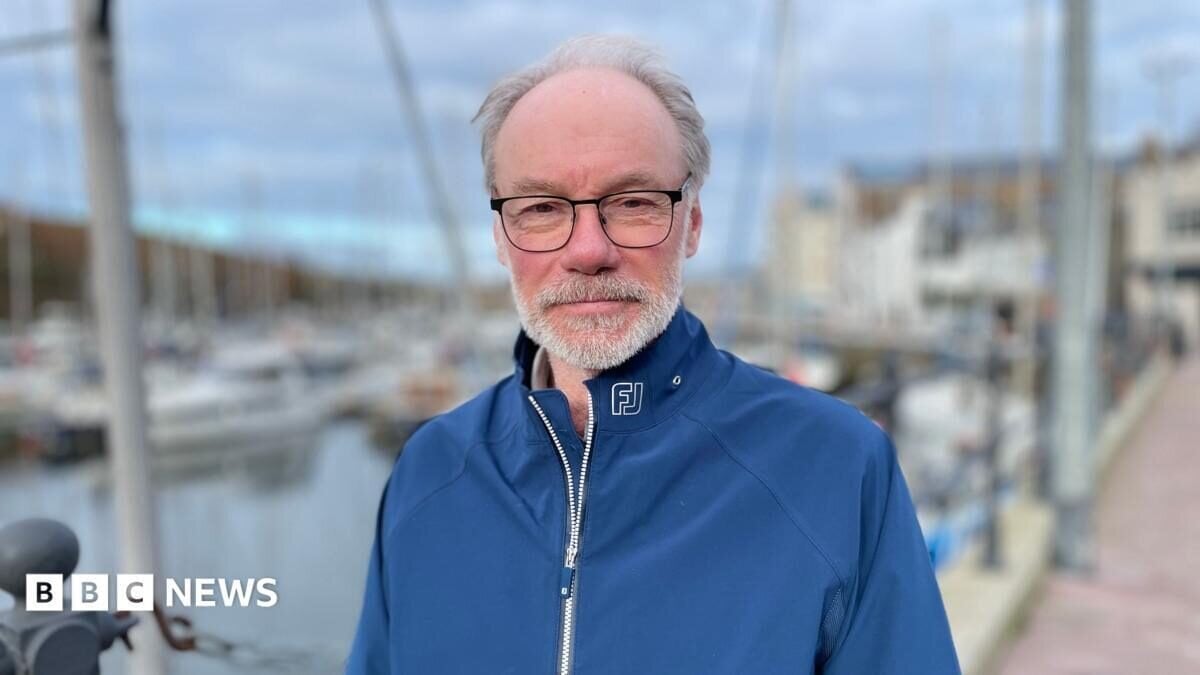
The Isle of Man’s fishing industry remains sceptical that a proposed UK-EU deal will significantly ease export costs, despite plans to reduce checks on food shipments. About 97% of its commercial fishing production is exported, predominantly to Europe via the UK.
The draft sanitary and phytosanitary agreement is expected to feature prominently at a forthcoming UK-EU summit. It would align the UK with relevant EU food safety and animal and plant health rules, potentially reducing border inspections and removing the need for costly export health certificates.
For local fishing businesses, the stakes are immediate: exports have become more expensive and time-consuming since Brexit, while key operating costs have risen and wholesale scallop prices have stayed unchanged for years.
Why is there scepticism over the UK-EU deal?
David Beard, chief executive of the Manx Fish Producers Organisation, said the agreement could help exporters, but its practical value for the Isle of Man was not yet clear. He described the paperwork burden as difficult to reverse once imposed.
“once red tape is in, it's very, very difficult to remove it again,” Beard said.
He said exporters now face more administration, health checks and certification requirements. Border checks, shipping charges and the cost of administration and health certification all contribute to the difficulty of sending seafood to Europe, he said.
Shipments from the island have also been stopped at EU borders because of paperwork errors. Beard said those errors may have arisen elsewhere in consignments containing both UK and Manx products. He hopes the proposed agreement will prevent similar problems.
The deal could therefore affect more than the time spent completing forms. If it reduces certificate requirements and inspections in practice, exporters may face fewer obstacles at the border. But Beard said he would welcome the agreement only if it genuinely makes European markets easier to reach.
Scallops anchor exports as costs climb
The fishing industry is the Isle of Man’s largest food exporter. King scallops account for about 70% of its overall income, according to Beard, making the conditions for selling them particularly important to local producers.
Stocks are healthy. Beard said king scallop stocks had increased by five times in the past six years, while the wholesale prices paid for scallops in European markets had remained the same for five years.
Costs keep rising.
Fuel, transportation and operating expenses have put pressure on businesses despite the growth in stocks. Some processors have begun freezing scallops instead of selling them fresh, Beard said, in the hope that prices will increase or fuel costs will fall.
The contrast is stark for a sector that exports nearly all its commercial catch: higher stock levels have not translated into improved wholesale prices, while getting products to buyers has become more costly. A reduction in checks could ease one part of that burden, but it would not by itself change the prices processors receive or the fuel and transport costs they face.
Beard said the island was regarded as a “benchmark for the rest of the UK” for stock levels and management, but described the wider business situation as challenging. The proposed agreement’s effect on local exporters will depend on whether changes to certificates and inspections deliver practical savings.
About 97% of the Isle of Man’s commercial fishing production is exported, predominantly to Europe via the UK.