Mouse Numbers, Not Deer, Predict Lyme Disease Tick Surges, Study Finds
A 35-year study at New York's Cary Institute found no statistical link between deer numbers and young ticks, but large mouse populations were followed by about 40% more nymphal ticks the next year. Nearly 500,000 Americans are diagnosed with Lyme disease annually.
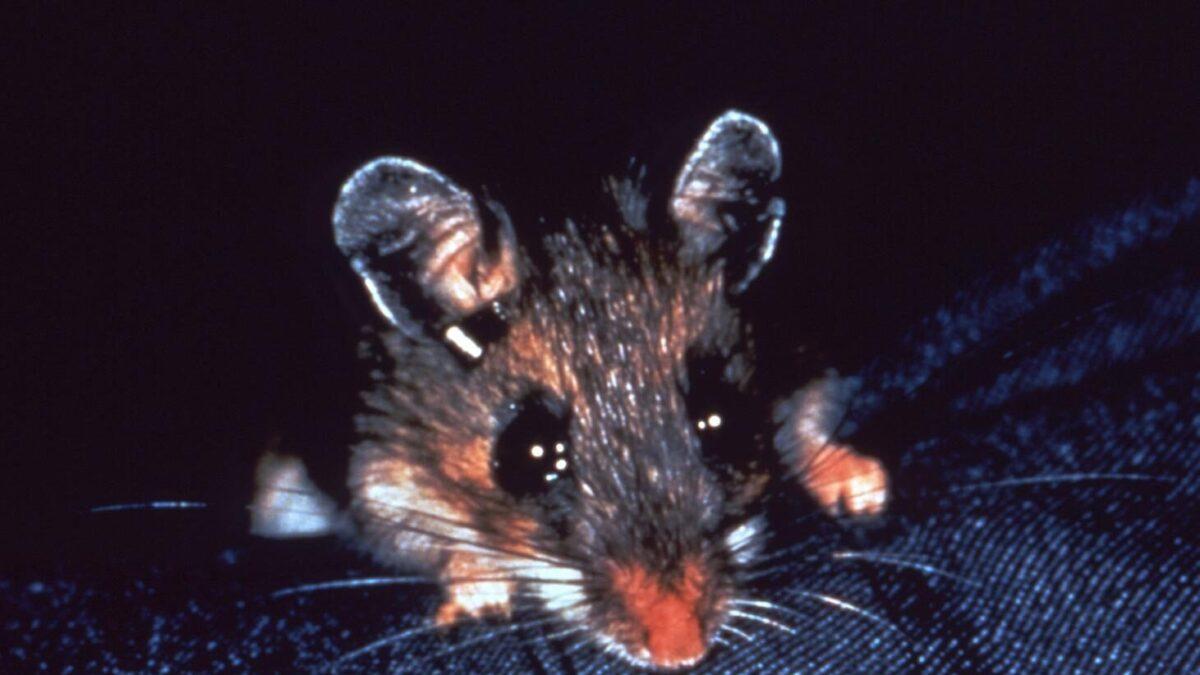
Scientists at the Cary Institute of Ecosystem Studies in Millbrook, New York, have found that mouse numbers, not deer numbers, predict surges in the ticks that spread Lyme disease, according to a new study in Proceedings of the National Academy of Sciences. Scientists discover surprising link after more than 35 years of tracking the same forest.
Lyme disease is the most frequently reported tick-borne illness in the United States. Nearly 500,000 Americans are diagnosed each year.
The bacterium Borrelia burgdorferi causes the infection, which typically reaches humans through the bite of an infected blacklegged tick. Antibiotics can treat it. Without treatment, it may affect the joints, heart and nervous system, and some patients have symptoms that persist over time.
The paper brings together nine of the project's most surprising discoveries. Researchers have followed ticks, mice, oak trees, predators and weather at the site since the project began.
Deer count did not predict ticks
When Lyme disease gained recognition in the 1980s, white-tailed deer were considered a likely driver of rising tick numbers. Deer cannot pass the bacterium to ticks, but they provide blood meals for adult female ticks. Scientists suspected more deer would mean more young ticks.
The long record did not bear that out. On the institute's 2,000-acre forested research property in Dutchess County, New York, researchers found no statistically significant connection between deer numbers and nymphal ticks. Nymphs are immature ticks responsible for much of the transmission to humans.
"We had detected a weak positive relationship between deer and subsequent nymph abundance over short subsets of the data," said lead author Richard Ostfeld, a disease ecologist who leads the research program with Shannon LaDeau. "But the whole data set in its entirety shows no such thing."
Mice offer a clearer signal
Mouse populations showed a much clearer relationship. Years with especially large mouse populations were followed by approximately 40% more nymphal ticks the next year.
White-footed mice provide excellent blood meals for tick larvae. They are also highly effective at transmitting Borrelia burgdorferi to the ticks feeding on them. Ticks infected as larvae can keep the bacteria as they develop into nymphs.
Ostfeld said the extensive data were essential for separating meaningful ecological patterns from coincidences and statistical fluctuations. He said the surprises have helped inform management of tick-borne disease risk.
LaDeau stressed how rare such a dataset is. "The evolution of understanding summarized in this paper is something you simply cannot get without such a long-term and system-focused study," she said.