Blood Test May Reveal Tinnitus, UConn Study Finds Higher Prestin Levels
Researchers at the University of Connecticut found people with tinnitus had blood levels of the ear protein prestin about 50 percent higher than those without it. The study of 82 adults offers a possible biomarker, but the protein cannot yet reliably diagnose the condition.
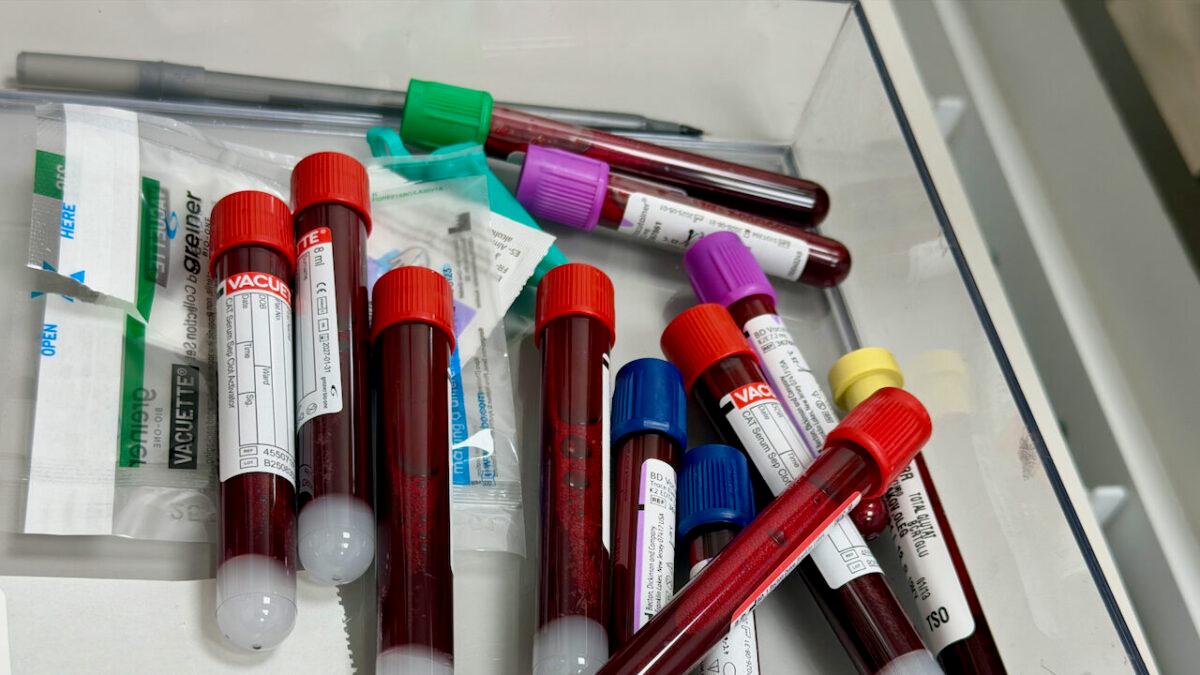
Scientists identified biological signature of tinnitus in the blood, according to a new study from the University of Connecticut: people with the condition had blood concentrations of an ear protein called prestin about 50 percent higher than people without it. The work was published in Otolaryngology – Head and Neck Surgery.
Tinnitus is the perception of persistent ringing or other phantom sounds. It is estimated to affect 15 percent of people globally. Doctors have had no objective test for it, and diagnosis has relied on patients saying they hear sounds that are not there.
The study involved 82 adults, half of whom had tinnitus. Blood tests linked prestin to the condition. The work builds on an earlier study by some of the same researchers.
"We now have proof-of-concept that an ear protein may play a central role in the development and management of tinnitus," said otolaryngologist Kourosh Parham of the University of Connecticut.
What prestin does
Prestin is a motor protein found in the membranes of outer hair cells lining the cochlea, the inner-ear structure involved in hearing. It helps amplify sounds and is crucial for sensitive hearing.
Earlier research has tied prestin to hearing damage. Studies show its levels are influenced by noise exposure, age and hearing loss, and are altered by trauma in experimental models of hearing damage. That suggests the protein could mark cochlear injury.
An overdose of aspirin is known to cause hearing problems by disrupting cochlear function, and prestin is one of the proteins affected.
"Now, measuring prestin gives us a clinical indication of how bad the tinnitus is," Parham said.
Limits of the findings
The study was small and observational. It does not show that high prestin levels trigger tinnitus, only that the two are linked. The researchers acknowledge that other factors probably contribute.
A separate diagnostic accuracy analysis found the biomarker cannot yet reliably diagnose tinnitus in the participants studied. The researchers note that some participants may have had non-cochlear tinnitus, caused by something other than prestin abnormalities. Future research may clarify that.
"Our work now says there is promise in using prestin as a biomarker for tinnitus," Parham said. "This is our first step to developing drugs to help manage tinnitus."