Wall Street Margin Debt Hits Record $1.502 Trillion, FINRA Data Show
Outstanding margin debt hit a record $1.502 trillion in June, according to FINRA. A market commentary says past surges of this size preceded three bear markets, while recent trading has been jittery over fears of an AI bubble.
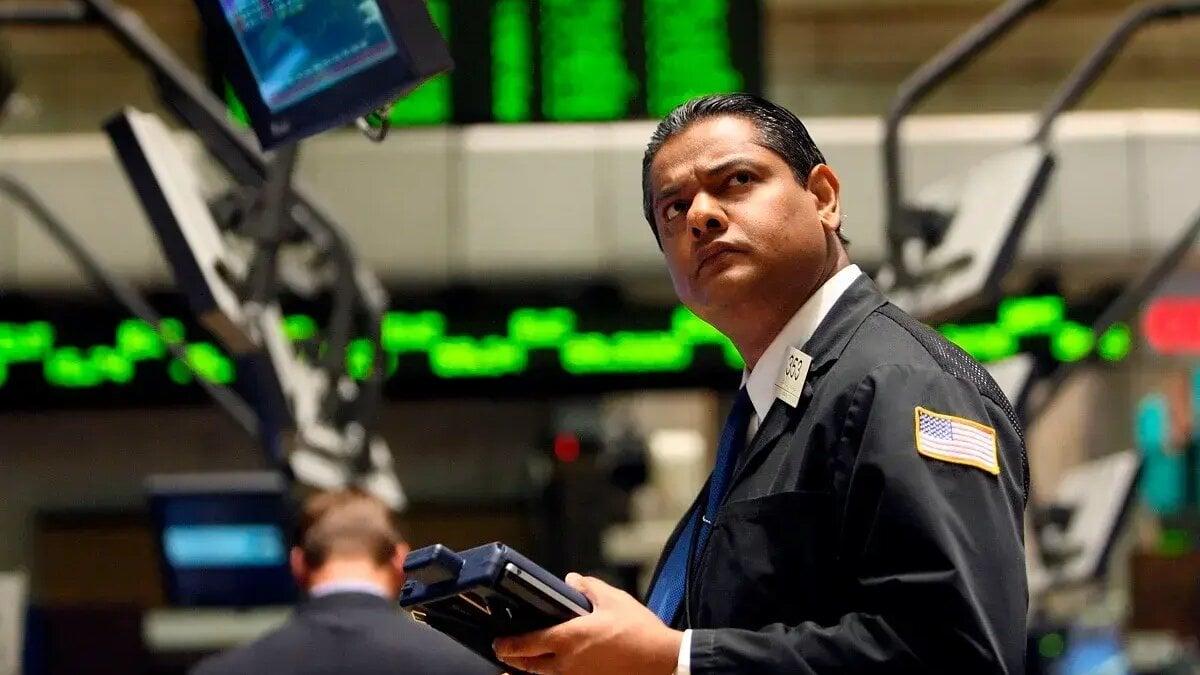
Outstanding margin debt on Wall Street rose to an all-time high of $1.502 trillion in June 2026, according to FINRA data. A new market commentary argues that this borrowing is the biggest of the wall street stock market bubble risks, and could end the four-year bull market.
Margin is money an investor borrows from a broker, with interest, to buy securities or to bet against them. When it is used to buy stocks or exchange-traded funds, it is a form of leverage.
Leverage cuts both ways. If a bet moves the right way, gains grow quickly. If it moves the wrong way, losses are magnified just as fast.
The commentary calls margin debt a crude but intriguing measure of how much risk investors are willing to take. It says debt normally rises along with the overall value of the market. Bad things often happen, it argues, when borrowing climbs sharply over a short period.
Over roughly three decades, margin debt has risen by at least 65% within 12 to 19 months on four occasions, including now. The commentary says the previous three all coincided with substantial bear markets.
From March 1999 to March 2000, debt rose 80% and came within a whisker of $300 billion. By October 2002, the S&P 500 and Nasdaq Composite had lost 49% and 78% of their respective values.
From June 2006 to July 2007, FINRA data show debt jumped 66% to more than $416 billion. During the financial crisis, the S&P 500 lost 57% of its value.
From March 2020 to October 2021, debt climbed 95% to almost $936 billion, then a record. Three months after that peak, the 2022 bear market took shape. It eventually wiped out a fifth of the Dow's value, a quarter of the S&P 500's and a third of the Nasdaq's.
The current stretch runs for 14 months, from April 2025 to June 2026.
Last month marked the fourth anniversary of the current bull market. The S&P 500 and the Nasdaq Composite have both more than doubled from their 2022 bear market lows. The Dow Jones Industrial Average has rallied as much as 90%.
The commentary credits artificial intelligence and the early spread of quantum computing for much of that climb. It notes that every game-changing technology since the mid-1990s has gone through an early bubble-bursting episode.
Markets have already been jumpy. After a plunge in Wall Street share prices, global financial markets were thrown into a tailspin as investors bet on an AI slowdown following the US midterm elections.
Stock markets have wobbled several times in recent months over concerns about a tech bubble. Whether the latest volatility marks the start of a wider meltdown is the question investors are now asking.