Camp Century: Climate Scientists Found Surprise Under Greenland Ice
Sediment from beneath Camp Century, a Cold War U.S. base in Greenland, shows the area was ice-free about 416,000 years ago. Researchers say it is strong evidence that much of the ice sheet vanishes when the climate warms moderately.
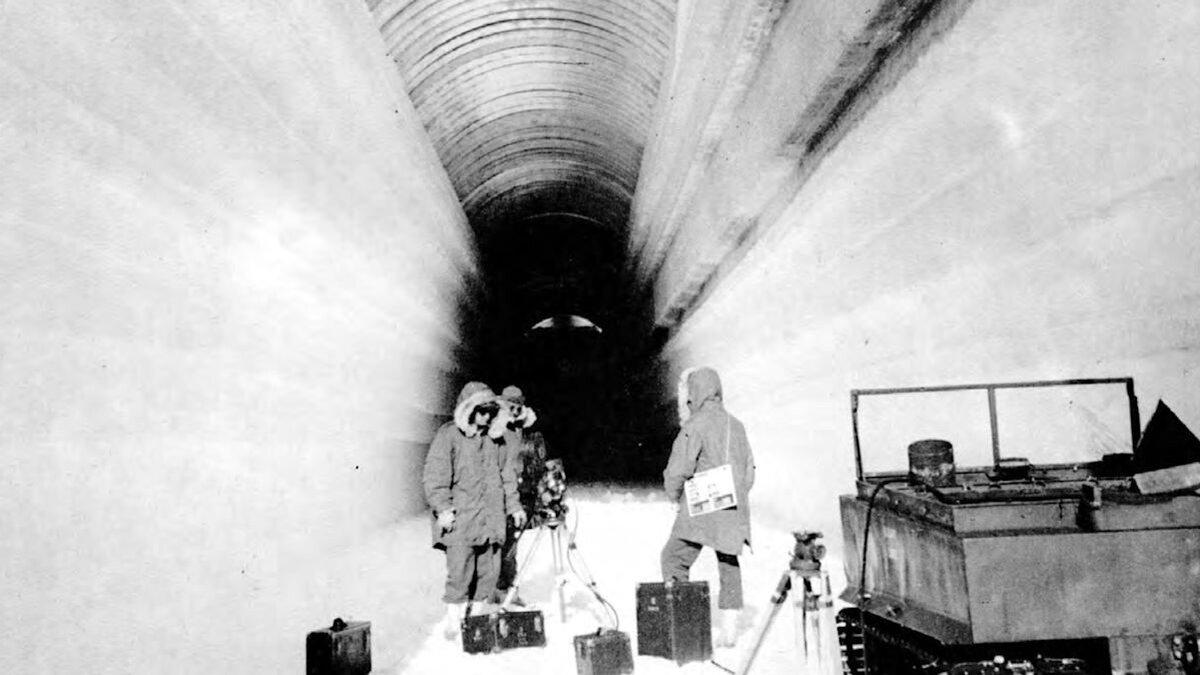
Climate scientists found a surprise beneath Camp Century, a Cold War U.S. military base in Greenland: sediment showing the ground there was ice-free about 416,000 years ago. The finding, reported this month, points to a past Greenland covered in tundra rather than ice.
What the sediment shows
Researchers analyzed sediment taken from nearly a mile beneath the ice sheet. They determined that the sediment was last exposed to sunlight around 416,000 years ago. The sample came from roughly 800 miles south of the pole.
The samples, rediscovered in 2017, contain traces of grasses, shrubs and moss typical of tundra. A study cited in the research puts summers at that time about 4.7°C warmer than today.
Greenland's ice sheet today is nearly two miles thick in parts and around three times the size of Texas.
A base with a hidden purpose
The United States built Camp Century during the Cold War. It was publicly described as a scientific station. It also served a second purpose: under a plan called Project Iceworm, the U.S. intended to hide nuclear missile launch sites beneath the ice, out of reach of the Soviets.
The silo network was never built. The sediment was pulled out during that period and only recently analyzed.
Moderate warming, large melt
The researchers say the melting was not caused by shifting tectonic plates, because 416,000 years is too short a span for much plate movement. The ice likely melted less than 1 million years ago.
They concluded that only moderate warming was needed. The period is known as Marine Isotope Stage 11, which lasted from 424,000 to 374,000 years ago. It raised global sea levels by at least 5 feet.
Carbon dioxide levels in the atmosphere played a part in the thaw. The ice responded slowly, producing a warm interglacial period that lasted thousands of years.
Why it matters now
A sea level rise of 5 feet would badly affect coastal cities worldwide. The sediment gives modern climatologists a direct record of how the ice sheet behaved when carbon dioxide levels rose in the past.
Paul Bierman, a University of Vermont scientist involved in the study, said: "It's really the first bulletproof evidence that much of the Greenland ice sheet vanished when it got warm."
The work also helps researchers judge how rising CO2 might affect an ice sheet that has previously driven large sea level increases.