1998 KY26: Scientists Question Dark-Comet Explanation for Acceleration
The 11-meter asteroid 1998 KY26 is accelerating in a way that challenges the usual explanations for how space rocks move.
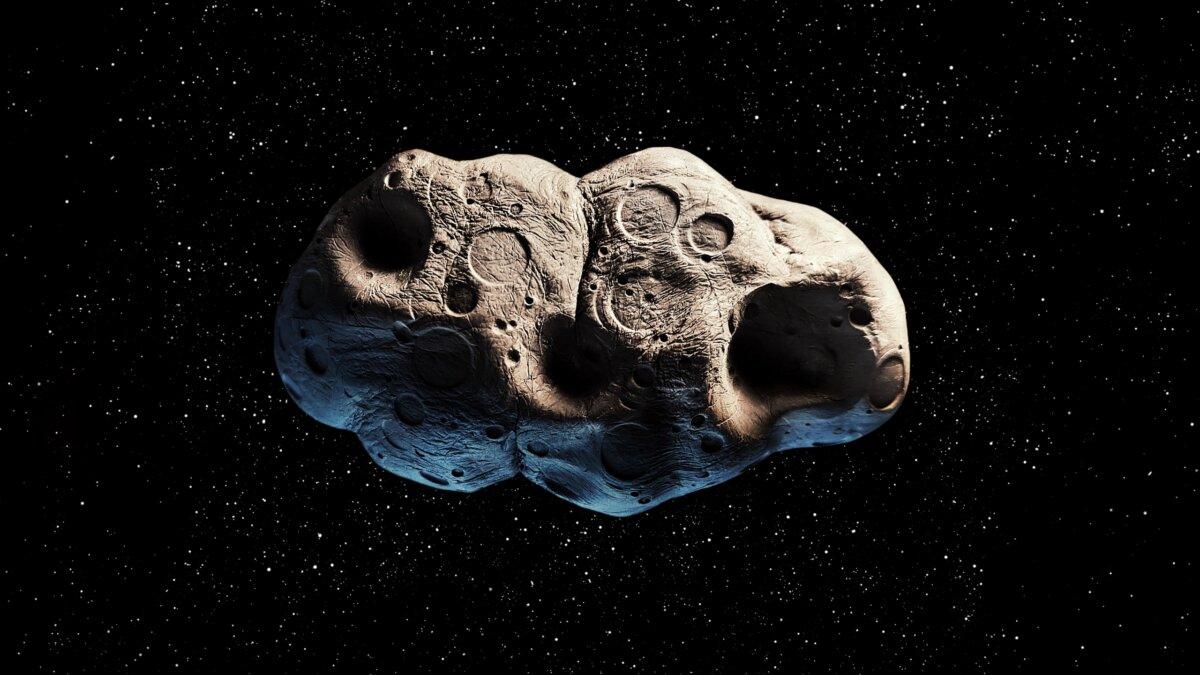
The 11-meter asteroid 1998 KY26 is accelerating in a way that challenges the usual explanations for how space rocks move. Researchers say a proposed explanation—that it is a dark comet releasing gas—may not fit the object’s temperature.
The finding complicates the picture, but the material does not establish an immediate threat to Earth.
Why the motion is unusual
Most asteroids follow paths shaped by familiar forces, including gravity and pressure from sunlight. KY26’s acceleration, however, does not match expectations for an asteroid under those influences.
The supplied research summary does not describe the observations used to measure that acceleration or give its size. It says the object’s motion has prompted scientists to consider whether it might not be an asteroid in the conventional sense.
Heat challenges the comet theory
One possibility is that KY26 is a dark comet: an object whose outgassing is difficult to detect but could still alter its path. Gas escaping from a comet can act like a small propulsion force.
Aerospace engineers Korbin Hansen and Masatoshi Hirabayashi of the Georgia Institute of Technology tested whether that explanation could work by modeling the asteroid’s temperature. Their results indicate that water would escape too rapidly for buried ice to remain available to drive the process.
“Our temperature model results indicate that the water outgassing rate on 1998 KY26 would be too high to maintain buried ice, refining the understanding of the asteroid's composition,” the engineers wrote in a paper published in Icarus.
What remains uncertain
The temperature findings weaken the buried-ice version of the dark-comet explanation, but they do not identify what is causing KY26’s acceleration. The asteroid’s motion is unusual; the mechanism behind it remains unresolved.
Asteroids and comets are generally distinguished by their composition and behavior, including whether escaping material affects their movement. For KY26, the researchers’ analysis narrows one explanation without settling the mystery.