Pulling Together a European Partnership: EU Eyes 9 Green Allies
A policy paper published November 9, 2026 says the EU cannot decarbonize alone and should build a "green relay" of partners including Brazil, Canada, Indonesia and Japan. It lists eight steps and three hurdles, citing China's grip on rare earth magnets and heat pump compressors.
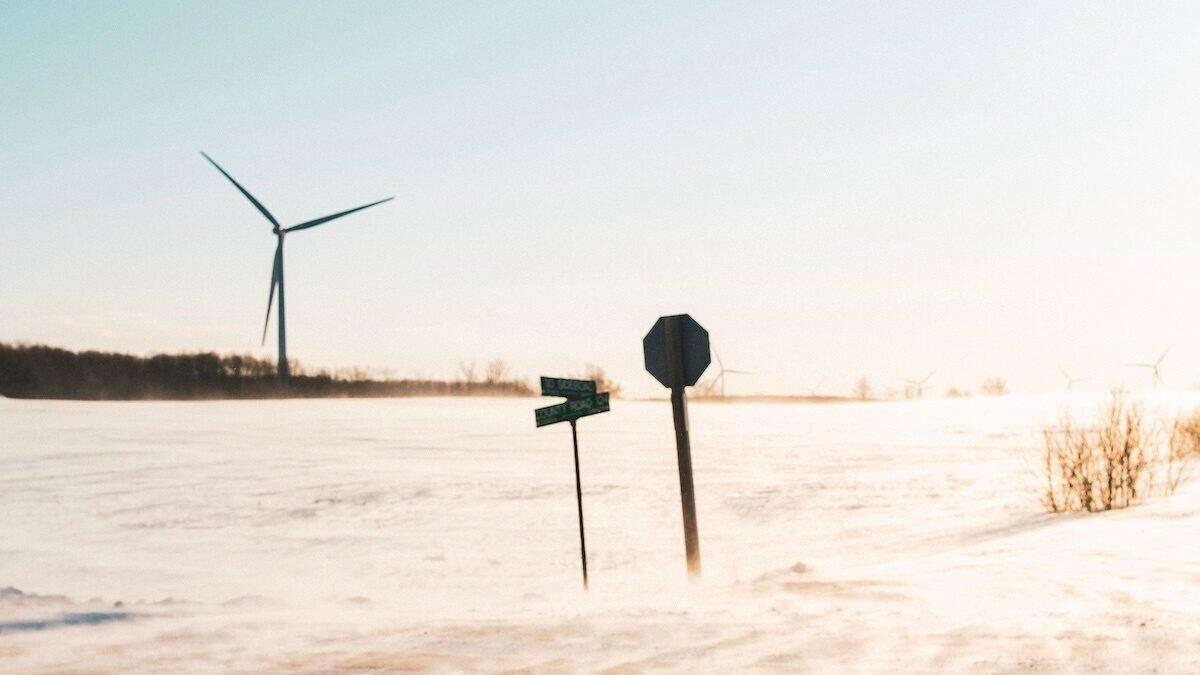
The EU cannot decarbonize alone and should build a "green relay" of partner countries to supply critical materials and clean-tech components, a policy paper published November 9, 2026 argues.
The paper treats pulling together a European partnership network as a security question as well as a climate one.
It names priority partners including Brazil, Canada, the DRC, South Africa, Indonesia, Morocco, Turkey, Japan and South Korea. They would supply critical materials, engineered products and components.
The paper says China dominates clean-technology supply chains and manufacturing. It says America has moved from guarantor of Western security and prosperity to a disruptor that rips up the rulebook. It calls the result a "geopolitical blizzard."
The dependence is concrete. Over 90% of rare earth magnets, used in wind energy, are made in China, as are around 95% of heat pump compressors. Europeans therefore cannot be self-sufficient in delivering the green transition, the paper says.
The problem reaches beyond those two sectors. Grid infrastructure, electric vehicle manufacturing and battery development more broadly also show high EU dependence, according to the paper.
The stakes, it says, are markets, jobs and investment. The EU will lose all three if it accepts rivals' monopoly of clean-tech supply chains as the world decarbonizes.
Security is also at risk. The heat, floods and storms of a warming climate strain the bloc's infrastructure and energy systems, the paper says. Choosing where it sources materials and technology is how the EU keeps agency over its green transition.
The paper draws lessons from China, Japan and the US, then sets out eight steps to improve the EU's offer:
tailored offer kits; faster deals with like-minded and neighboring countries; lead markets with selective protection; offtake and price guarantees; carbon credits and green guarantees; joint research; regulatory twinning; and active participation in coalitions of the willing.
Success hinges on three hurdles, it says: slow processes, insufficient capital and fragmented coordination between the EU and its member states. Market access, finance and know-how must become competitive offers that expand partners' room for maneuver.
The authors borrow an image from the winter of 1925. Twenty dog sled teams ran a 674-mile relay through an Arctic blizzard to bring medicine to Nome, Alaska, which faced a deadly diphtheria outbreak. No single team could make the journey, so authorities split the route into stages and passed the serum from team to team.
A successful European relay, the paper says, would also show other major powers that global decarbonization is achievable despite the breakdown of global consensus on its necessity.