Coalition’s inflation claim against Labor tested against CPI data
Kevin Hogan, the Coalition's assistant treasury spokesperson, says Australia's core inflation is the highest among major advanced economies. A Sydney University econometrics lecturer says the comparison mixes different measures. On headline CPI, Australia still ranks worst, at 4.3%, but the gap is narrower.
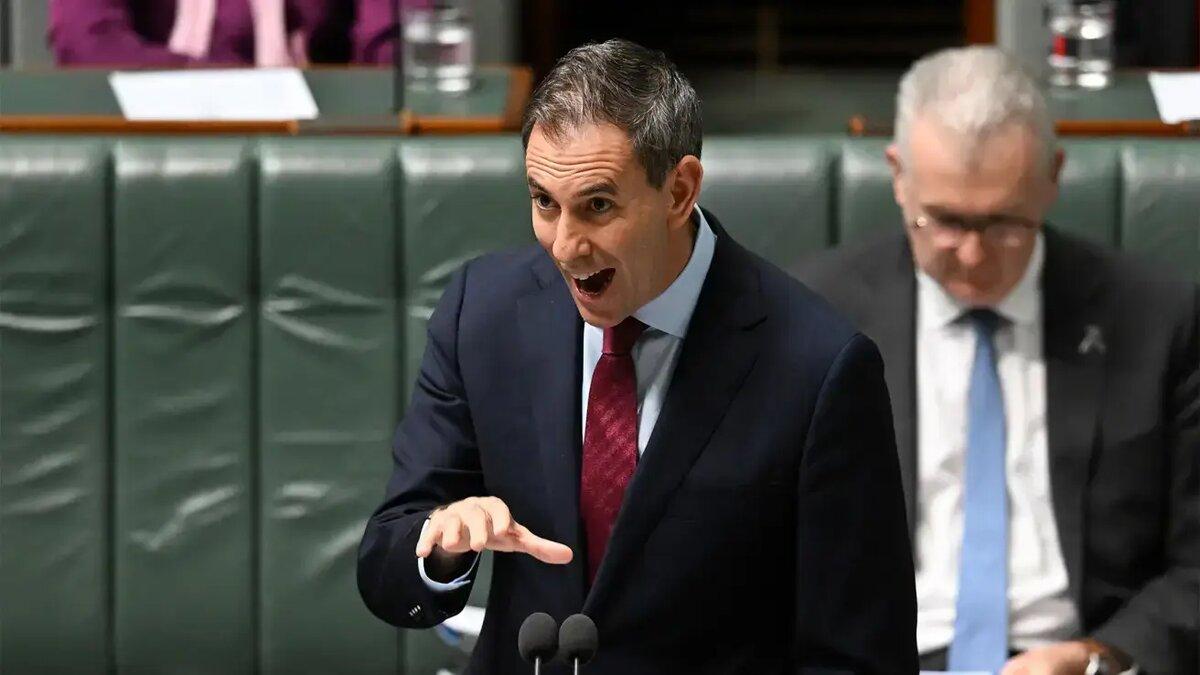
The Coalition’s inflation claim against Labor, made by assistant treasury spokesperson Kevin Hogan, rests on core figures that are not like for like, according to Sydney University econometrics senior lecturer Luke Hartigan. On the more comparable headline measure, Australia still ranks worst among the countries Hogan named.
Hogan issued a press release after the Reserve Bank of Australia raised interest rates. It asked: “Why is inflation higher in Australia?”
What Hogan said
Hogan argued that Treasurer Jim Chalmers blames the war in the Middle East, oil prices and data centres. But Australia is not the only country facing those pressures, he said.
He then cited core inflation, which strips out volatile items such as fuel. Australia’s was 3.6% in September, he wrote, against 2.2% in Canada, 2.4% in Germany, 2.5% in the European Union, 2.6% in the United States and 2.8% in the United Kingdom.
Why the comparison is shaky
Hartigan said Hogan was “not being very honest” in lining those numbers up. Each country strips out different costs to get its core figure.
“For example, the US looks at the Private Consumption Expenditure deflator (PCE) removing food and energy,” Hartigan said. “This is not the same as the Consumer Price Index (CPI) we look at here.”
The UK figure leaves out housing, energy, food, alcohol and tobacco. Australian statisticians remove fruit, vegetables, car fuel and holiday travel, which gives the 3.6% change over the 12 months to September. Hogan’s office did not respond to questions about which Australian measure he used.
Headline CPI tells a closer story
Hartigan said the more comparable measure is headline CPI, which counts all prices. On that basis the United States is at 3.7%, Canada 3.1%, Germany 2.8%, the European Union 4.0% and the United Kingdom 3.6%. Australia is at 4.3%.
Australia is still doing worse, but the gap is smaller than Hogan’s figures suggest.
Hartigan said part of the explanation is the central bank’s slower start after the COVID-19 pandemic. “It did not lift rates as aggressively as some other economies,” he said, adding that the bank wanted to hold onto gains in the labor market, namely low unemployment.
Political backdrop
Interest rates are at an 18-year peak, and Chalmers has said things will get harder before they get easier. The Reserve Bank has acknowledged that the public has lost faith in its ability to bring inflation down.
A new poll shows voters losing trust in Labor’s economic management. The same poll shows the opposition gaining ground on its image as strong on the economy.