Abu Dhabi Talks: U.S. Gives Russia Early Relief, Europe to Join
France says Europe will take part in the U.S.-brokered Russia-Ukraine talks in Abu Dhabi, days after the Kremlin ruled out a European role. The fourth round under the Trump administration opens Tuesday, with Moscow fielding a more senior delegation.
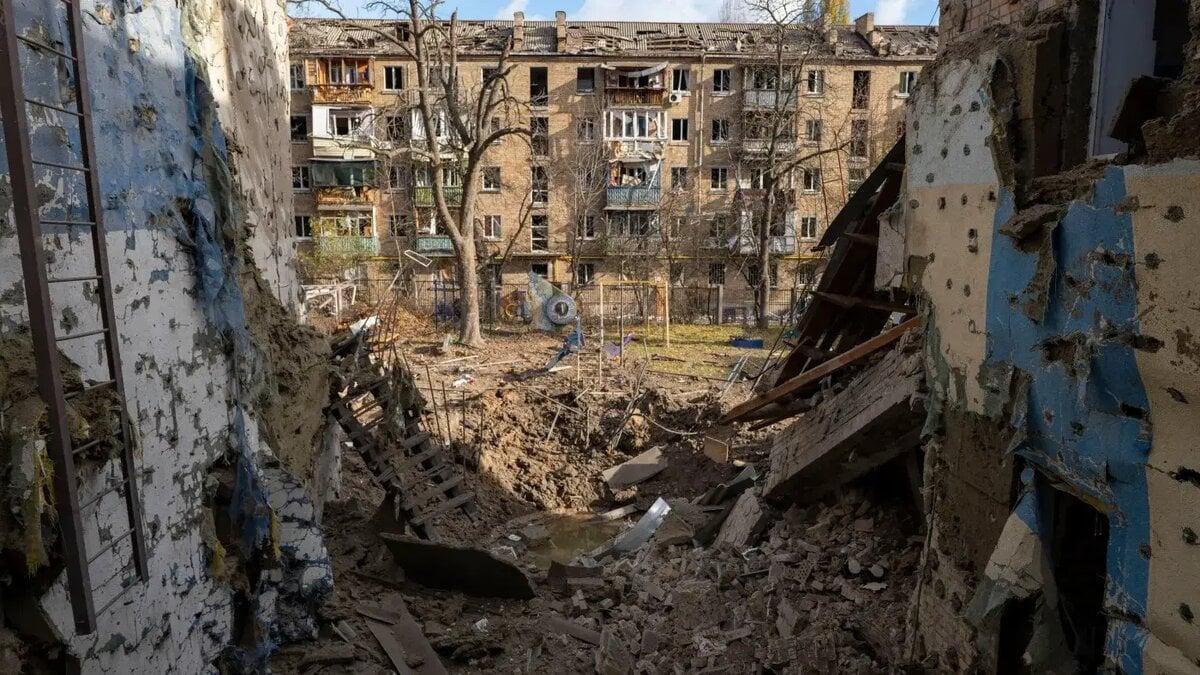
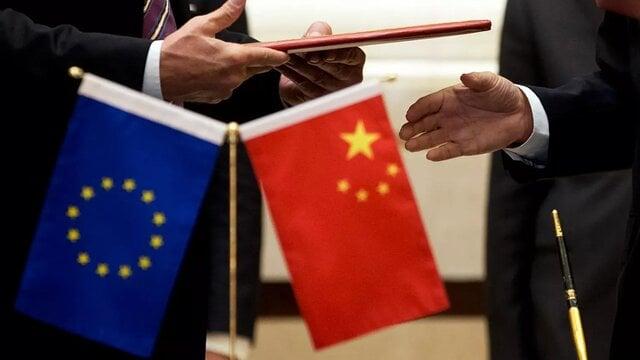
French Foreign Minister Jean-Noël Barrot said Europe will be present at the U.S.-mediated Russia-Ukraine peace talks in Abu Dhabi on Tuesday and Wednesday, days after the Kremlin said Europeans had no role. The talks open as the U.S. gives Russia early sanctions relief on diesel exports.
"France will be there and will ensure that Europe's voice is heard," Barrot told French radio. He did not say who would represent Paris. He also did not say whether European officials would join the negotiations or only observe.
The meetings in the United Arab Emirates had been presented as a three-way session between Washington, Moscow and Kyiv.
Kremlin spokesman Dmitry Peskov said the three-way format had already been agreed. Speaking to a Russian news channel on Friday, he accused European governments of failing to decide who speaks for them. He acknowledged that security talks would at some point require Europe's involvement.
Trump's wider deal
On Thursday, President Trump met Kremlin envoy Kirill Dmitriev. Trump said a coming agreement was "going to involve more than Ukraine." He added that it "might involve all of Europe."
Ukrainian President Volodymyr Zelenskyy said on Friday he had not been given details of that agreement. "For me, it's not simple, and it can be dangerous," he said. He pointed to the 1945 Yalta conference, where Allied leaders settled Europe's division without several affected countries involved.
Fourth round, little progress so far
This will be the fourth round of talks between the two warring nations brokered by the Trump administration. It is the first since the Geneva talks this February. Earlier rounds made little progress, and the administration's focus on its war with Iran has reduced the chances of a breakthrough.
Moscow said it would return to the table only after U.S. envoy Steve Witkoff met Russian President Vladimir Putin in St. Petersburg in October. Putin then announced the release of an American prisoner from a Russian jail. That looked like a Kremlin gesture answering Trump's earlier lifting of sanctions on Russian diesel exports.
Ukraine was vehemently opposed to the fuel sales. Kyiv argued they helped replenish Moscow's war chest.
Witkoff has said the agenda will include postwar security arrangements, de-escalation of the conflict and humanitarian issues. The talks follow a limited ceasefire, brokered with help from Melania Trump, that allowed humanitarian aid into a town inside Russian-occupied Ukraine.
Russia's delegation
Vladimir Medinsky, a hardline Putin aide who has taken part in most talks with Ukraine since March 2022, will again lead Russia's side. For the first time, Deputy Foreign Ministers Sergei Ryabkov and Mikhail Galuzin will join him. So will Yury Zhigarlovsky, a deputy head of the General Staff's operations directorate, and military intelligence chief Igor Kostyukov.
The more senior lineup could indicate that Moscow is readier than before to address thorny political and military questions. The U.S. think tank Institute for the Study of War suggested, however, that some of the same Russian officials have previously sought to slow down talks.