Rare British Jurassic Fossils Sold to Abu Dhabi Museum After UK Funding Shortfall
One of Britain’s most important Jurassic fossil collections has left the country after UK museums said they could not raise the money to buy it.
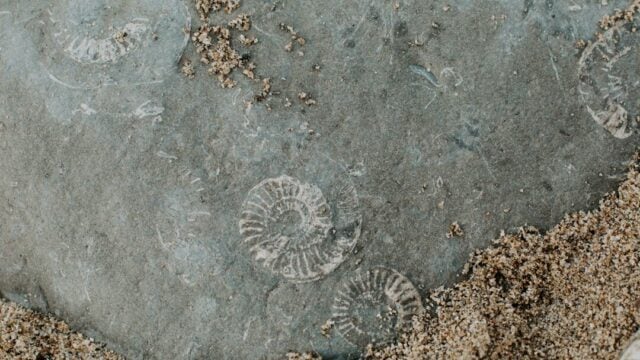
One of Britain’s most important Jurassic fossil collections has left the country after UK museums said they could not raise the money to buy it. The 318-specimen cache, including ichthyosaurs, fish and crustaceans, has been sold to a museum in Abu Dhabi, a move British experts have described as a loss for the nation.
The collection was assembled by a private fossil collector and had been offered first to the Natural History Museum in London and to Amgueddfa Cymru, the National Museum of Wales. A source said the asking price was an “eight-figure sum”. Neither institution bought it.
Funds ran out
An email seen by The Guardian suggested the Natural History Museum had “no money at all” for acquisitions. Both museums cited a lack of funding. One curator also said that even though there had long been hope the fossils would stay in the UK, the practical problems were real: storage space, curatorial time and packaging materials all weighed on the decision.
The collection matters because it is not just large, but scientifically rich. Some of the fossils could be new species. That gives the sale a sharper edge than a simple transfer of ownership. Once a collection like this moves abroad, access for British researchers can become harder, and the chance to study it in the context of the UK’s own Jurassic record narrows.
A wider struggle over heritage
The loss lands in a country where fossil hunting has long been part of the coastline story, especially on Dorset’s beaches, where collectors search for specimens from the Jurassic period. For museums, the episode underlines a persistent problem: major finds can surface in private hands, but public institutions do not always have the cash ready when the auction clock starts.
That tension is familiar far beyond Britain. Museums across Europe and elsewhere often face the same squeeze, with acquisition budgets lagging far behind the prices fetched by rare objects in private sales. When the funds are not there, heritage can drift overseas fast. In this case, it already has.
“I don’t blame the collectors,” one curator said.