Temple Made by Indian Startup Is for the World, Not India: Goyal
Zomato founder Deepinder Goyal says his Rs 85,000 Temple wearable is built for global buyers, not Indian ones, and expects no more than 1 per cent of sales from India. Doctors have questioned the device's science. Pre-orders are open, with shipping slated for 2027.
Zomato founder Deepinder Goyal said in a long post on X, reported on November 9, 2026, that Temple, a Rs 85,000 wearable made by his Indian startup, is aimed at global buyers rather than Indian ones. He expects no more than 1 per cent of sales to come from India.
The price is the likely reason. Temple is open for pre-orders, and shipping is slated to start some time in 2027.
Goyal answers the critics
Goyal was responding to criticism of his first consumer product, mostly from doctors. "Temple is not made for India. It’s made for the world," he wrote.
He pushed back on complaints that the device is too expensive. The company priced it according to what it believes the product is worth, he said, and people unsure about its value could wait for user reviews before buying.
He also rejected any appeal to national pride. "Please do not support us because we are an Indian startup. We want to compete globally," he wrote.
Fitness device, not a medical one
Goyal said Temple is "strictly a fitness + AI device" and not a medical product. He added that it is not proven to diagnose or prevent any disease and does not replace a visit to a doctor.
On scientific evidence, he told critics they could wait. "You are free to sit on the fence until peer reviewed proof arrives. You are free to not believe it even then," he wrote.
He said the company would obtain regulatory clearances wherever required. "Social media is not the regulator for Temple," he added.
What Temple is
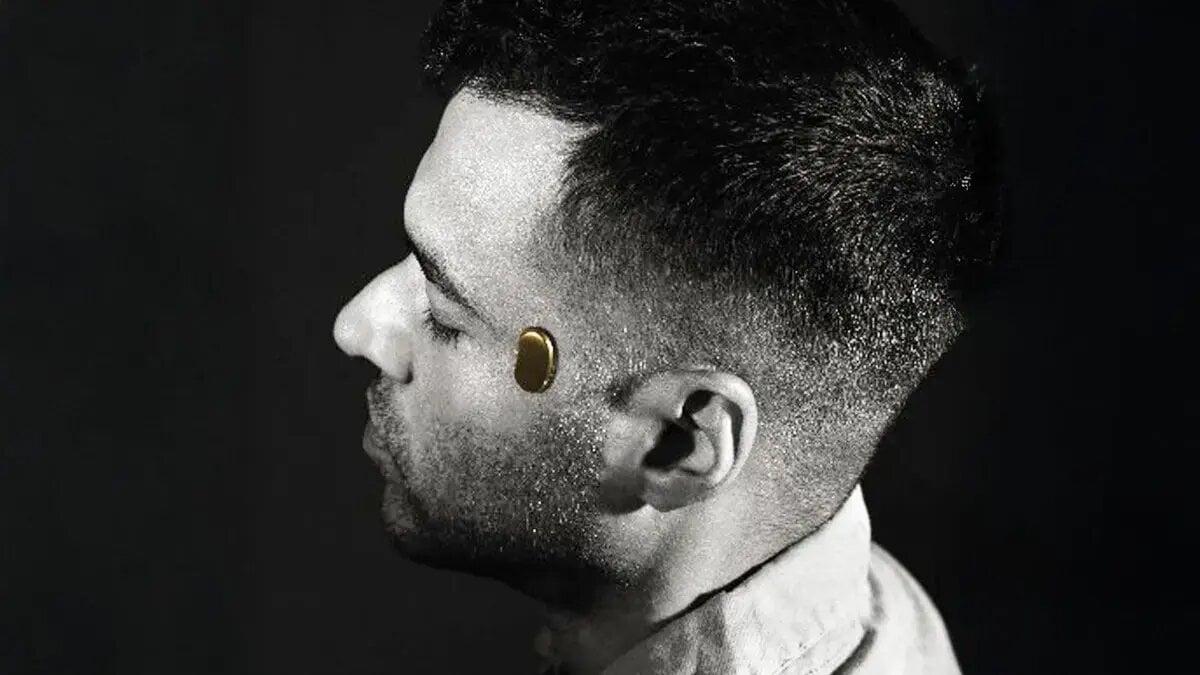
Temple is a small wearable that sticks to the side of the head. The company says its optical sensors track physiological signals linked to blood flow in the brain.
Its BrainFlow feature is designed to monitor changes in cerebral blood flow. Goyal now says the main point of the device is a different feature called Entropy, which has yet to be explained in detail.
He also introduced a new term, Roomdeaf AI, presenting the device as a companion built with privacy in mind.
Doctors question the science
Cyriac Abby Philips, a hepatologist known as The Liver Doc on X, has been a prominent critic. He has asked whether a sensor placed near the temple can actually measure blood flow inside the brain.
Philips has also raised concerns about the research methodology and the lack of peer-reviewed evidence supporting Temple's claims.