Macron Lebanon Force: Riot-Torn France Struggles With Chaos
French President Emmanuel Macron is pressing ahead with a European military presence in Lebanon while facing protests at home. Italy does not back Paris's plan, and US Secretary of State Marco Rubio says a replacement for UNIFIL could be civilian.
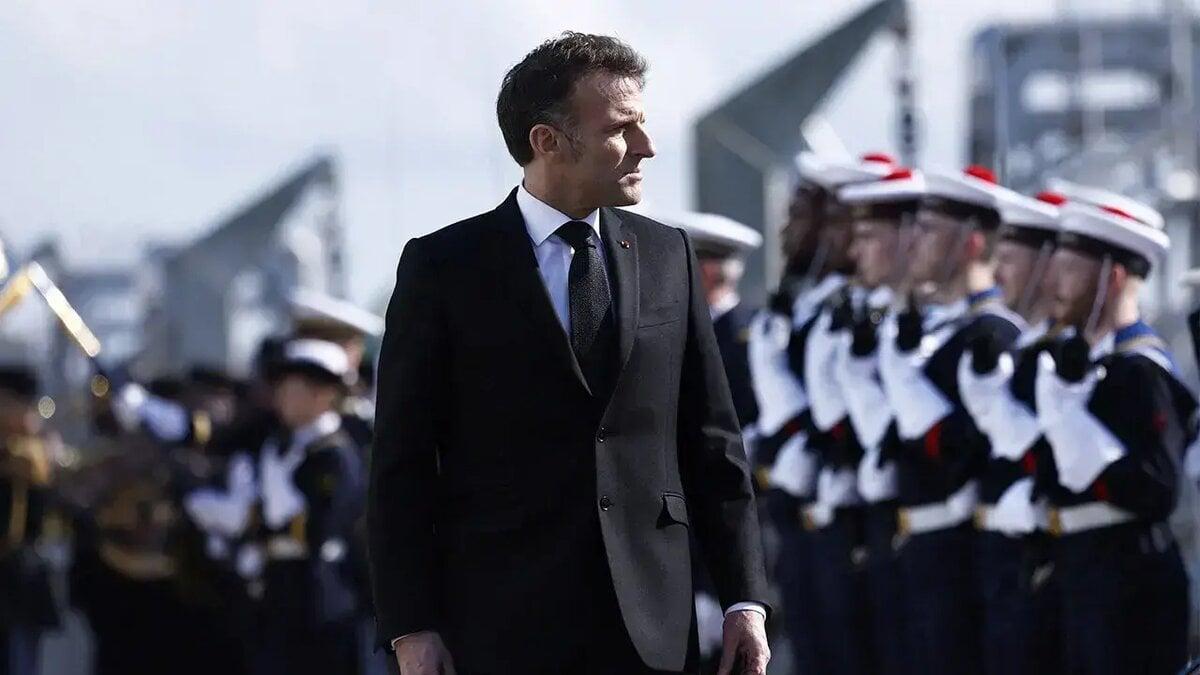
French President Emmanuel Macron is pushing ahead with a new European military presence in Lebanon, even as France struggles with chaos at home, with protests over living costs and a strained 2027 budget. The plan faced resistance on November 10, 2026, from a key European partner and from Washington.
US Secretary of State Marco Rubio said he had discussed the future of the United Nations Interim Force in Lebanon (UNIFIL) with Macron. A replacement monitoring mechanism, he suggested, might not need troops.
"It doesn't have to be a military mission. It could be a civilian mission," Rubio said in remarks published Tuesday.
What Washington wants
Rubio said the Trump administration wants a credible way to verify an arrangement in which Israeli forces withdraw from designated areas. Under it, the Lebanese Armed Forces would take control and the Iran-backed group Hezbollah would be kept from returning.
He said France could play a constructive role. Any arrangement, he added, would need the agreement of both Lebanon and Israel.
The French initiative envisions a multinational force that could involve thousands of European troops supporting the Lebanese army as UNIFIL nears the end of its nearly five-decade mission. Its final size, mandate and participating countries remain unconfirmed.
Italy holds back
Italy, which earlier joined France in calling for an international coalition after UNIFIL leaves, does not support sending its troops under Paris's current proposal. Three sources with knowledge of the discussions said so.
At home, Macron faces demonstrations over rising living costs, wages and deteriorating public services. The unrest has complicated the government's push to pass its 2027 budget, with mounting debt and political divisions limiting its room to maneuver.
That raises questions about how much money and military capacity Paris could commit to another overseas mission without firm backing from European partners.
The diplomacy comes as Israeli and Lebanese military officials meet in Washington for rare talks mediated by the Pentagon. Ahmed Sharawi of the Foundation for Defense of Democracies warned that Hezbollah's grip on Lebanon continues to undermine hopes for a broader agreement.
Simone Rodan-Benzaquen, the foundation's senior envoy for Europe, argued that replacing UNIFIL with another international military force risks repeating the existing mission's shortcomings. "UNIFIL’s mandate should end as scheduled," she said.
US Ambassador to the United Nations Mike Waltz made clear that Washington does not intend to keep the current mission. "UNIFIL in its current form will not continue, and it must not continue," he said.