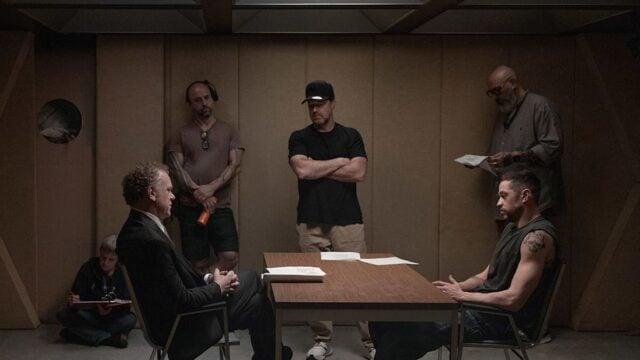
Aristotle Helps Unpack Art and Deception in Nathan Fielder’s Elizabeth Holmes Film
An analysis of Nathan Fielder's documentary You Can See Everything uses Aristotle's idea of imitation to ask whether Elizabeth Holmes is playing a role. It also covers Amanda Seyfried's first comments on her surprise appearance in the film.
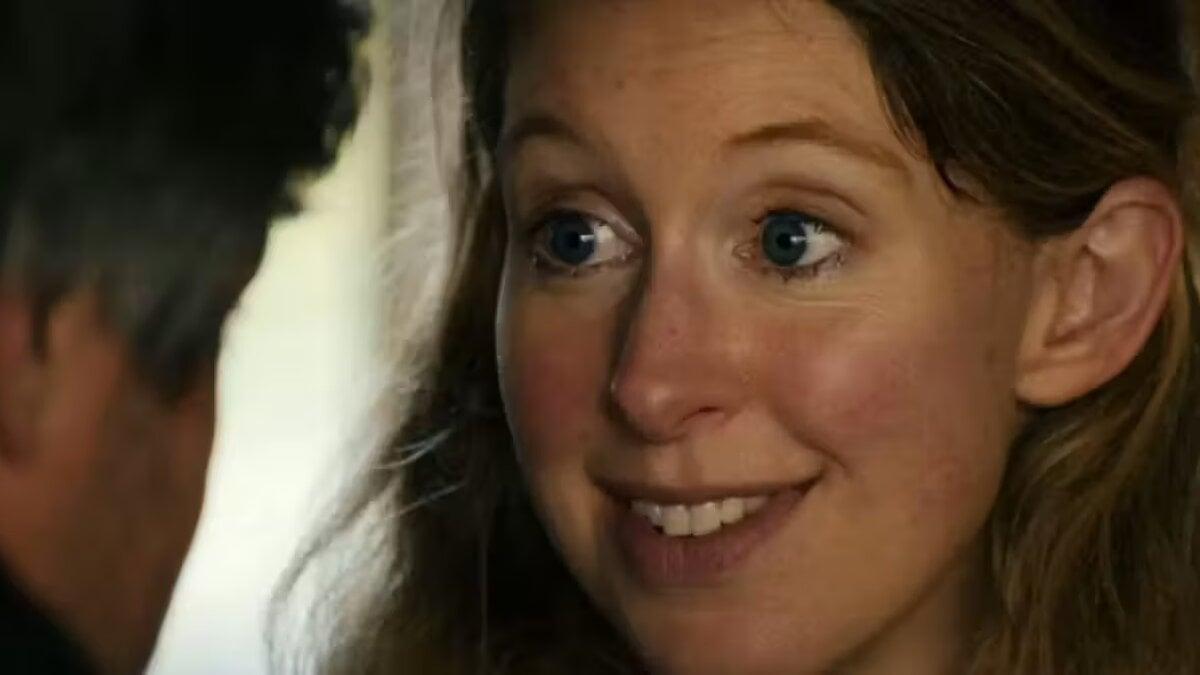
Aristotle helps unpack art and deception in Canadian comedian Nathan Fielder's documentary You Can See Everything, according to an analysis published November 11, 2026. The film reintroduces Silicon Valley founder Elizabeth Holmes, who was convicted of fraud in 2022 and maintains she is innocent. The analysis contains a spoiler.
It argues that the film pushes viewers to question her conduct anew by exploring acting, drama, truth, lies and fiction.
A disputed quote
In one scene, Holmes objects to a line attributed to her about actors who portray her: "They're not playing me. They're playing a character I created." Her husband reads it and says it does not sound like her.
He suggests she said instead: "They're playing a character they created." She agrees.
Viewers are left to wonder whether Holmes has been playing a character of her own making to deceive others. They may also ask whether she is playing a role now, and whether she knows it.
The stakes are moral. If she is performing deliberately, audiences may condemn her as a fraud who deserves her punishment. If not, they may see her more sympathetically, as flawed and caught up in a scheme largely wrought by others.
Action versus imitation
The analysis turns to a distinction drawn by the ancient Greek philosopher Aristotle between an action and an imitation. For Aristotle, the arts are kinds of know-how. A shoemaker knows how to produce shoes, while drama knows how to produce the imitation of actions, which he called mimēsis.
An actor playing a shoemaker aims at a convincing imitation. Done well, the audience believes it saw the action and may briefly forget it was only pretend.
Fielder's HBO docuseries The Rehearsal tests that line. In its fourth episode, "The Fielder Method," actors shadow a person, called a primary, to learn how to imitate them. They may work the primary's job or move into a similar living arrangement. An actor playing a shoemaker might end up making a real shoe.
The analysis concludes that the boundary between imitated and genuine action is porous. An effective imitation can be a powerful tool for someone intent on deception, and an actor can also get caught up in the role. In the episode "Pretend Daddy," Fielder rehearses parenting a six-year-old, and the child actor becomes attached to him.
Seyfried speaks out
The film reached theaters October 16 with a secret. Amanda Seyfried, who played Holmes in the Hulu series The Dropout, appears as herself and reprises the role. Her involvement was kept out of all trailers and marketing, so her arrival about 90 minutes in surprised audiences.
Seyfried, 40, said she feels "relieved" and "excited" to see the response. "It's important for me as an actor, an artist, I mean, a mom, of course, but as a person in the world who loves to work, to find things that I haven't done before and to do things that scare me in a specific way," she said.
The film follows Holmes and her partner Billy Evans in the weeks before her 11-year prison sentence for wire fraud and conspiracy. Holmes surrendered to Federal Prison Camp Bryan in Bryan, Texas, in May 2023. Fielder then shifts his focus to Evans and recruits Seyfried for reenactments of scenes that could not be filmed.