Luke Gnocco’s Reef Tours Show Why Some Jobs Resist AI
Luke Gnocco is not losing sleep over artificial intelligence. He runs a marine tourism business in north Queensland, and he says the work depends on
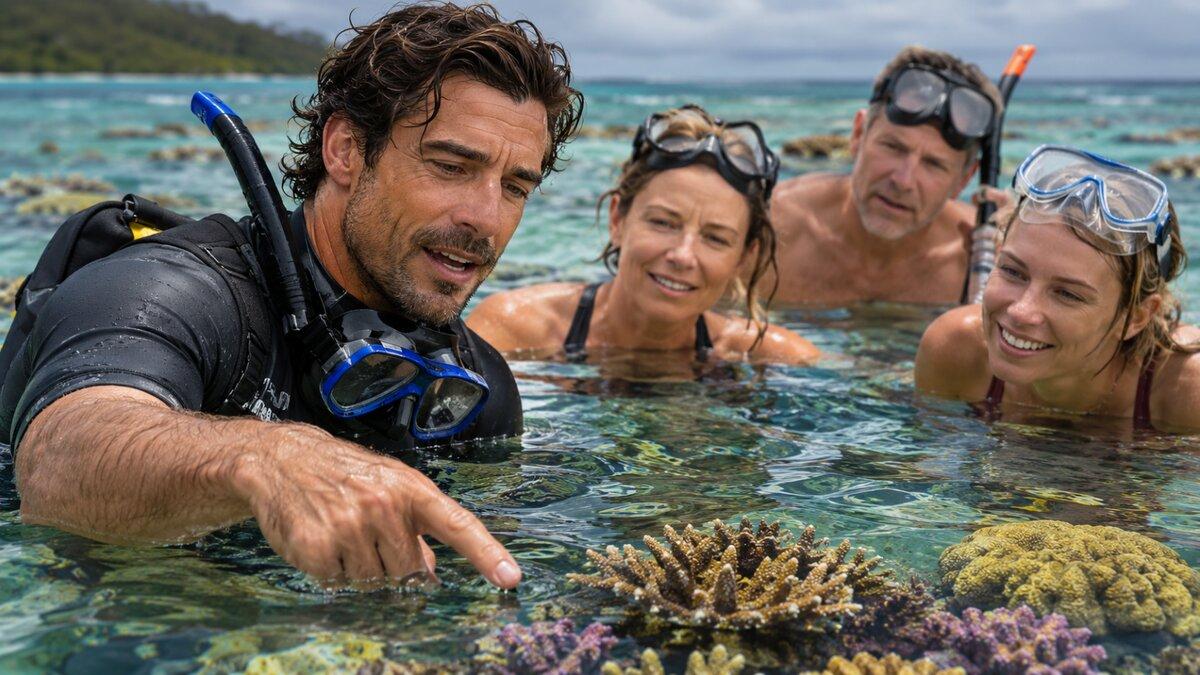
Luke Gnocco is not losing sleep over artificial intelligence. He runs a marine tourism business in north Queensland, and he says the work depends on water, weather and people, none of which a machine handles well.
"Electronics and water usually don't work," he said, joking that he will worry once superhuman swimming robots arrive.
A job built on hands-on contact
Gnocco's company takes visitors snorkelling on the Great Barrier Reef. It also runs jet ski tours and guided walks around Magnetic Island.
He says manual tasks and face-to-face contact sit at the heart of the work. "With a reef tour guide, there's literally no part in the process that could be replaced by AI," he said.
The product itself is part of the argument. Much of Australian tourism, he said, is the country: the reef, the water. He does not expect that appeal to fade.
Where the exposure lies
His confidence sits alongside a sobering estimate. Research by public policy consultancy SGS Economics and Planning found that about 30 per cent of work tasks across regional Queensland could be exposed to automation by AI.
The figure counts tasks, not whole jobs. A role can contain some automatable duties and still depend on work a machine cannot do.
Alison Holloway, a principal and partner at SGS, said regional areas are more resilient to AI-driven change. Knowledge and professional services jobs, she said, tend to cluster in city centres, and those are the jobs most exposed.
That pattern points to a split. Desk-based work that handles information sits closer to the reach of AI. Work that takes place on a boat, a reef or a walking trail sits further away.
For Gnocco, the practical test is simple. A guide has to be in the water with the guests, and that, he says, is not going backwards.