Japan, Rwanda Early Warnings: UN Says 136 Countries Now Covered
UN Secretary-General António Guterres said on November 11, 2026, that early warnings save lives but still miss millions. A new UN report found 136 countries, or 70 per cent, now have multi-hazard systems, yet about one in three has none.
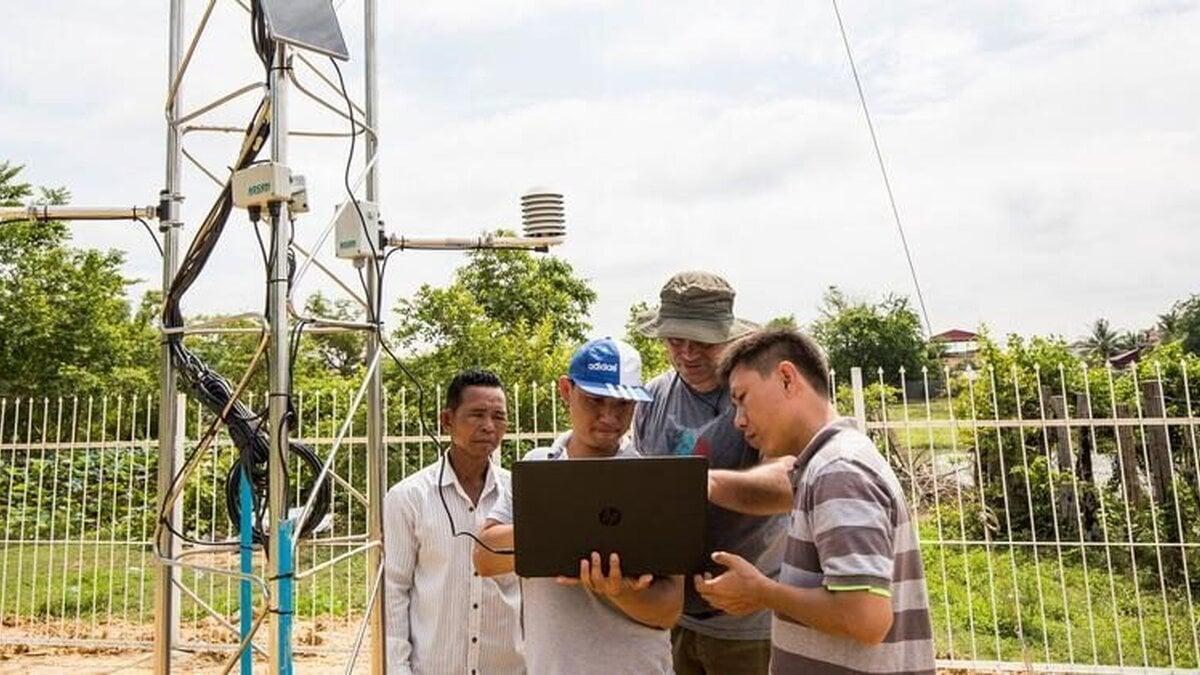
UN Secretary-General António Guterres said on Wednesday, November 11, 2026, that early warning systems are saving lives from Japan to Rwanda, but that for millions of people the warning never arrives. He urged the world to protect every person on Earth by the end of 2027.
"No one should lose their life simply because a warning came too late – or never came at all," he told a high-level event on the Early Warnings for All initiative at the COP31 climate conference in Antalya, Türkiye. The conference runs until November 20.
A new report from the UN Office for Disaster Risk Reduction (UNDRR) and the World Meteorological Organization (WMO) found that 136 countries, or 70 per cent of the total, now report multi-hazard early warning systems. That is 17 more than in March 2025.
Major gaps remain in the most vulnerable countries, as a powerful El Niño raises the stakes. Around one in three countries still has no system, Guterres said. The widest gaps are in least developed countries, small island developing States and countries affected by conflict.
What the report found
The report, Global Status of Multi-Hazard Early Warning Systems 2026, found that countries with substantial to comprehensive systems record disaster-related mortality 6.1 times lower than those with limited to moderate ones. They also have 3.2 times fewer people affected.
It points to a magnitude 8.8 earthquake off Russia's Kamchatka Peninsula in July 2025. The Pacific Tsunami Warning Center issued its first threat messages within 10 minutes. Japan evacuated approximately 1.9 million people.
In Ecuador's Galápagos islands, more than 2,300 people were moved out of high-risk areas hours before waves of about 1.3 metres reached the shore.
In Madagascar, the Malagasy Red Cross partially activated an early action plan before Tropical Cyclone Gezani made landfall in February. About 600 door-to-door visits reached 80,000 to 100,000 people with warnings and evacuation support.
In Rwanda's Karongi district, a tea farmer and her daughters learned through women's cooperatives, SMS, local radio and loudspeakers that heavy rain was due within 48 hours. She reinforced her terraces, cleared water channels and stored her dried tea leaves before the downpour.
Gaps in observation and money
"They did the least to cause the climate crisis, but are being hit first and hardest," Guterres said. He added: "Some European countries have more weather stations that meet global standards than the entire continent of Africa. We cannot warn people about what we cannot see."
WMO chief Celeste Saulo warned that the current El Niño "could be literally off our monitoring charts". She said: "While we cannot stop El Niño, we can prevent many of its worst human consequences."
Guterres set out three priorities: making early warnings a permanent public service, closing financing and capacity gaps, and moving from fragmented projects to coordinated, long-term support for country-led plans.
Since 2022, some $2 billion has been mobilised and around 160 countries are receiving support, he said. Finance must cover the whole warning chain, "from weather forecasting to communication tools to volunteers knocking on doors".
Warnings increasingly trigger action before disaster strikes. In 2025, 146 anticipatory action activations in 54 countries reached 9.6 million people, the report found.
"Countries have made significant progress in strengthening their early warning systems, but too many people remain unprotected," said Kamal Kishore, head of UNDRR.
"The climate crisis is accelerating. Our protection of people must accelerate with it," Guterres said. "Together, let us make sure that every warning arrives in time."