GLOBSEC Survey: 71% Back Creation of a European Union Army
A GLOBSEC survey of 14 countries found 71% of respondents want the EU to have its own military, while 77% of those in NATO states would vote to stay in the alliance. Concern over Russia and doubts about US reliability shape the findings.
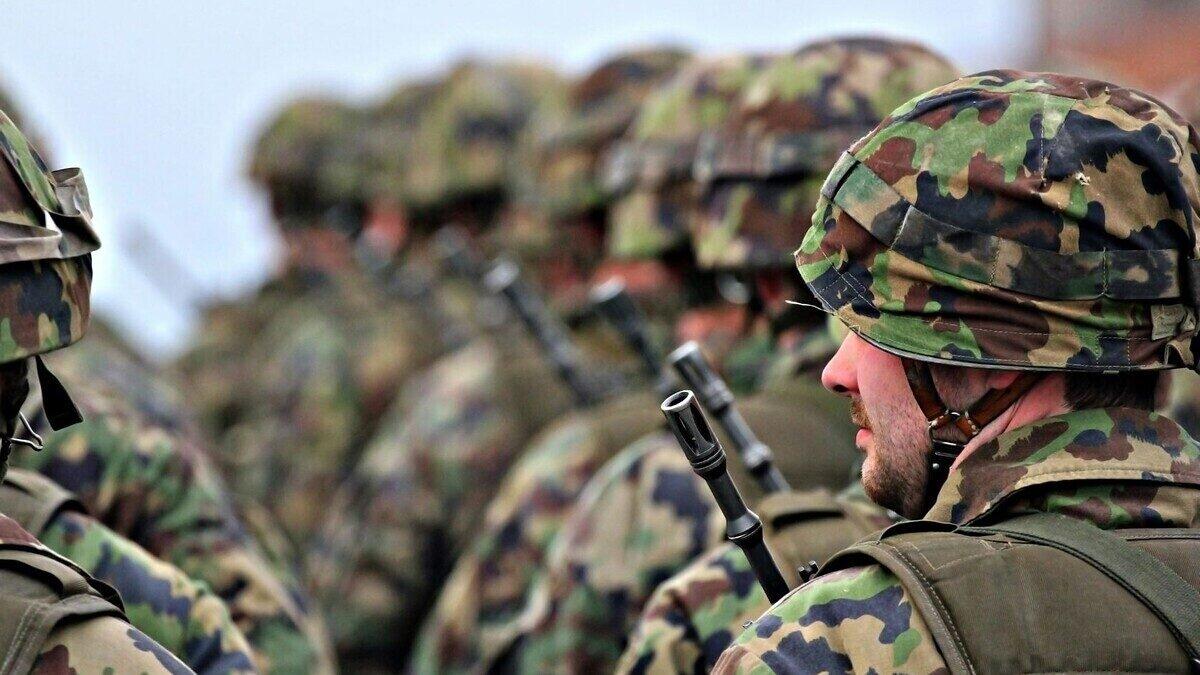
A GLOBSEC Trends 2026 survey released on Friday, November 13, 2026, found that 71% of respondents believe the European Union should have its own military forces, a sign of 71% support for the creation of a European Union army among those polled.
The security research centre GLOBSEC ran the study in 14 countries across the transatlantic region. They include 11 EU member states, Ukraine, the United Kingdom and the United States. The results reflect the views of those surveyed, not of European citizens as a whole.
Support is highest in Romania at 82%, followed by Lithuania at 78% and France at 75%. Poland and Bulgaria, both traditionally more hesitant about deeper European military integration, stand at 70%. Germany is at 69%.
NATO still has backing
Support for a European army does not mean respondents want to leave the North Atlantic Treaty Organization (NATO). Across the NATO states in the study, 77% said they would vote for their countries to remain in the alliance.
Among respondents in the EU states surveyed, 78% back strengthening the bloc's defence capabilities alongside NATO. The findings suggest many Europeans see greater autonomy as a complement to the alliance, not a replacement.
The survey also points to appetite for conscription. In countries that have abolished it, 64% of respondents favour bringing back mandatory military service. Backing is strongest in the Czech Republic, France, Germany and Slovakia.
Russia and the United States
The debate comes as several governments try to expand their militaries during Russia's ongoing war in Ukraine. Doubts about Washington's commitment to European security are adding pressure on Europe to take more responsibility for its own defence.
More than a third of respondents across the European countries surveyed now view the US as a security threat. In Germany, France and the United Kingdom, around half share that view. In the Central and Eastern European countries surveyed, about one-third do. Germany is the only country where a majority hold this opinion.
German responses also show split views on the war. Around 40% agreed that Ukraine's treatment of its Russian-speaking population justified the invasion, and 39% believed the West had provoked the war. These figures reflect what respondents said and are not conclusions by the study about the causes or legitimacy of the invasion.
According to the European Commission, its ReArm Europe/Readiness 2030 initiative aims to mobilize up to €800 billion in additional defence spending. The plan includes a €150 billion loan programme to support joint defence procurement, along with measures to boost investment in military equipment, technology and defence infrastructure.