Trump Faces Hard Choices on Iran After Midterm Losses, Analysis Says
Republicans lost both houses of Congress in the midterms, and Vice President J D Vance blamed the Iran war. An analysis of the aftermath says dwindling missile stocks and fear of aircrew losses limit President Donald Trump's options, and the Strait of Hormuz remains unresolved.
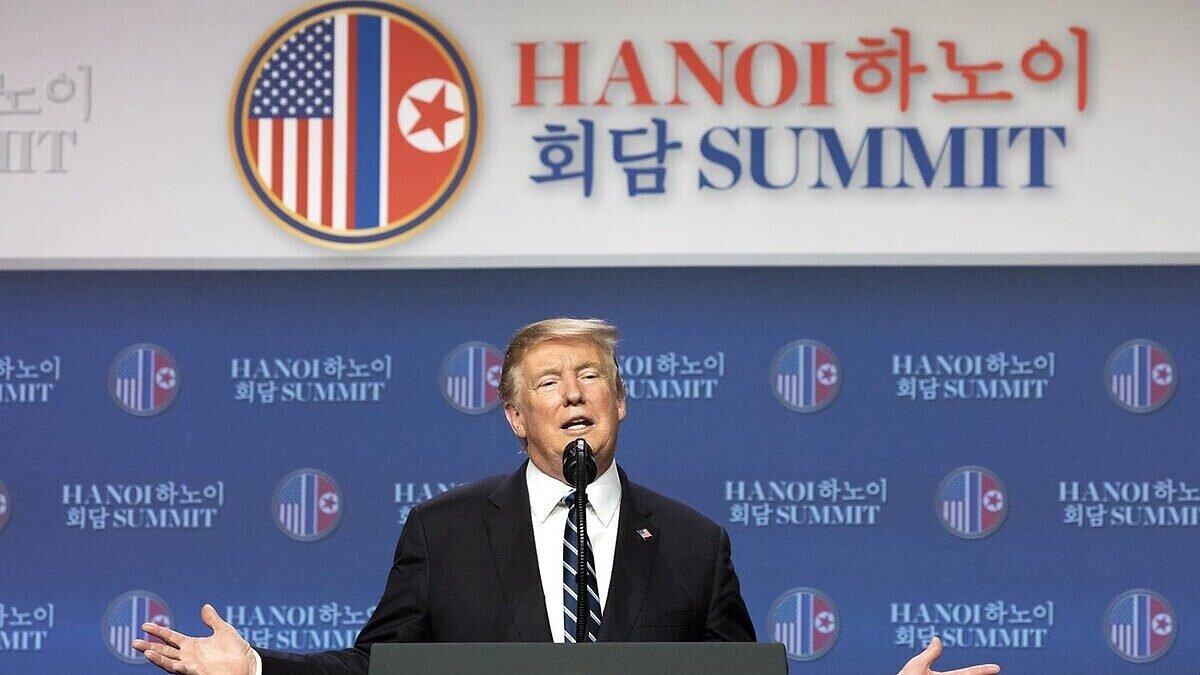
US President Donald Trump needs a result in Iran he can sell at home, but his military options are narrowing, according to an analysis published November 12 after Republicans lost both houses of Congress in the midterm elections.
The analysis says the defeat was a verdict on the war. Margins in both chambers were ones neither party has suffered in a midterm for 50 years, it says.
Vice President J D Vance was blunt about the cause. "The reason we lost is the war," he said. Trump called the verdict "largely true" but added that he would do it all again.
A third of voters told exit pollsters the war was crucial to their choice. Gasoline prices, the analysis says, did the rest.
Tehran sees vindication
Iran reads the result as a win. Its chief negotiator says Americans "said no to war", and regional analysts expect Tehran's demands to harden, the analysis says.
A Democratic Congress cannot stop a limited campaign before January. Trump nonetheless negotiates from a weaker position.
Limits on force
The analysis points to two constraints. First, Trump has kept manned aircraft mostly away from Iran since April, when an F-15E was shot down.
Retrieving its weapons officer became one of the largest combat rescues in American history. About a hundred special operators went in, two MC-130 transports were destroyed on a desert strip, and an A-10 was lost. The rescue succeeded, but only just.
Second, long-range missiles are running low. Tomahawk stocks are estimated to have fallen from about 3,000 to 2,000, and more than 1,000 JASSM missiles were used in the first phase alone.
A seven-year contract signed in August aims to lift Tomahawk output past 1,000 a year. That will not help soon, the analysis says.
Options left
A large conventional bombardment is therefore off the table, the analysis concludes. What remains is a symbolic strike or likely nothing at all.
The most probable course, it says, is that Washington declares the nuclear threat eliminated and disengages. Iran would then control the Strait of Hormuz, charging for passage and periodically shooting at ships that refuse to pay.
The author calls a negotiated deal the cleanest exit but considers it unlikely. The two sides remain far apart despite Qatari and other mediation, and US hawks would see it as defeat.
A blockade could be sustained with one aircraft carrier. The hope is that economic pressure sparks an uprising in Iran, but those who understand its security apparatus are not optimistic, the analysis says. Seizing Kharg Island or the small islands in the strait would mean heavy American casualties.