Indonesia Pledges More Firefighters and Climate Bill at COP31
At the U.N. climate summit in Antalya, Indonesia said it would expand forest-fire prevention teams, pursue a climate bill and protect primary forests as it balances development with climate action.
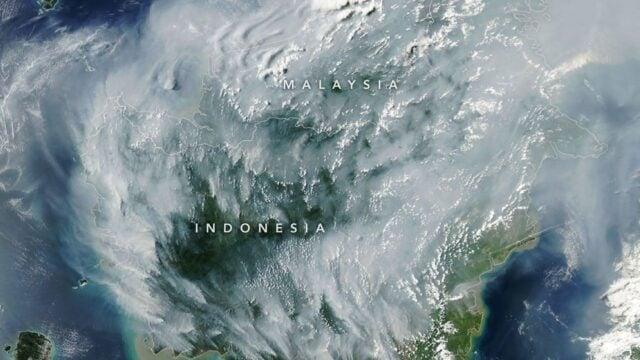
ANTALYA, Turkey — Indonesia pledged to sharply expand its forest-fire prevention workforce and advance climate legislation at the United Nations climate summit, signaling that efforts to curb haze affecting neighboring countries will remain part of its development agenda.
Hashim Djojohadikusumo, President Prabowo Subianto’s special envoy for climate and energy, outlined the measures at the COP31 Leaders Summit on Thursday, Nov. 12. He said Indonesia would not open forests, particularly primary forests, for agricultural expansion to pursue food self-sufficiency.
Indonesia plans to expand fire-prevention force
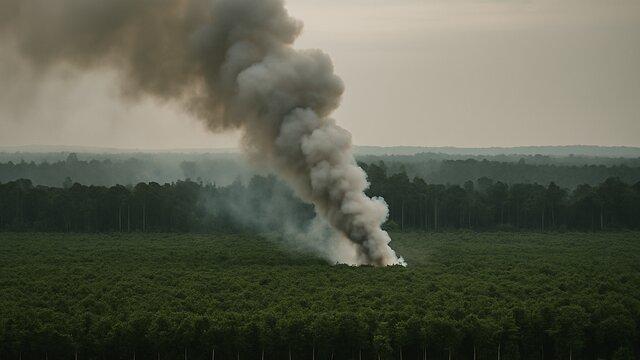
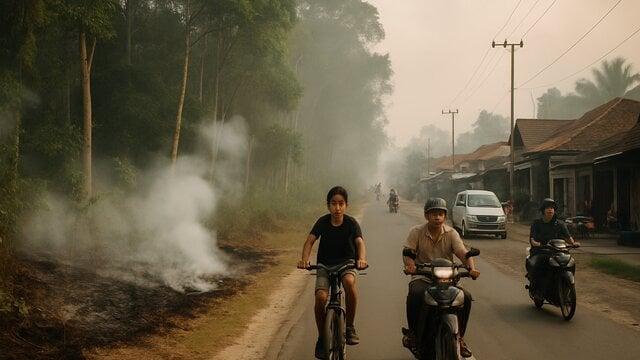
Hashim cited rising sea levels, extreme weather, drought and forest and land fires among the climate risks facing Indonesia. He linked fire threats to prolonged El Niño conditions and said the impacts reach communities, ecosystems and neighboring countries.
“We take this issue very seriously, given its impact on communities, the environment and neighboring countries,” Hashim said in his address.
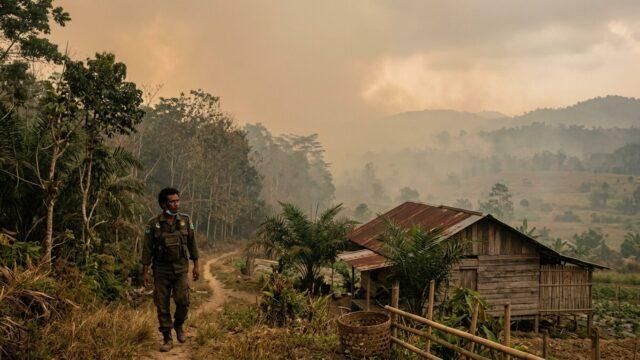
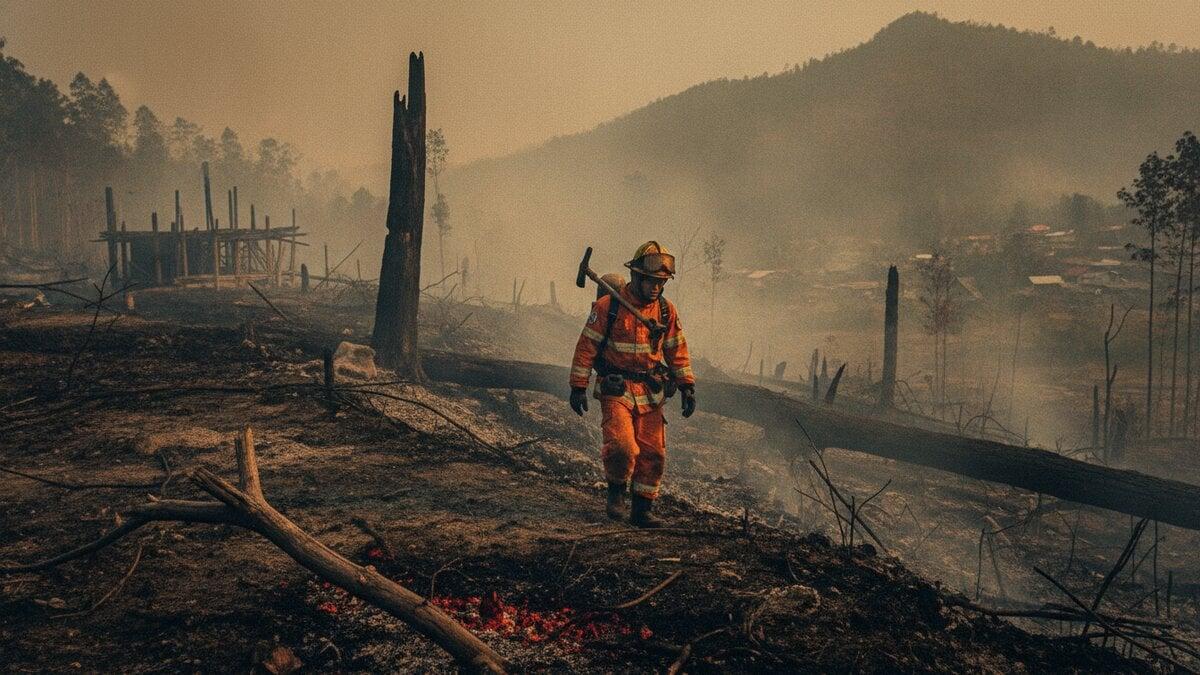
The government is strengthening prevention, restoration and law enforcement, he said, while working with regional partners to address haze, including pollution that crosses national borders. Indonesia plans to increase the number of forest rangers and forest firefighters from 8,000 to 70,000, while improving training and early-warning systems.
More than 25,000 local residents are also involved in forest-fire prevention, Hashim said. The government is expanding protected areas and national parks and increasing conservation investment to protect forests and biodiversity.
Climate bill and forest protections
Hashim said Indonesia had established a National Peatland and Mangrove Management Agency under the president and planned to enact a bill on equitable climate change management. He presented the measures alongside goals to accelerate economic growth, strengthen food and energy security, create jobs and develop higher-value industries.
Indonesia is also accelerating the shift to cleaner energy and seeking to raise productivity on degraded land, Hashim said. More than 285 million people depend on reliable food and energy supplies, jobs, clean water and a safe environment, he added, framing climate policy and economic development as linked priorities.
The social forestry program has granted more than 1.4 million families access to 8 million hectares of forest, Hashim said. Indonesia has designated 400,000 hectares as customary forest and aims to increase that area to 1.4 million hectares by 2029.
More than half of Indonesia’s land area remains forested, Hashim said. “We will not choose between development and climate action. President Prabowo Subianto’s vision is very clear: We must achieve both,” he said.