Indonesia Fires Prompt Calls for Ecocide Accountability
Indonesia’s WALHI says months of forest and land fires reflect failures in permitting and ecosystem protection, and urges accountability for the state and companies. Malaysian environmental group SAM has also called for scrutiny of financing links.
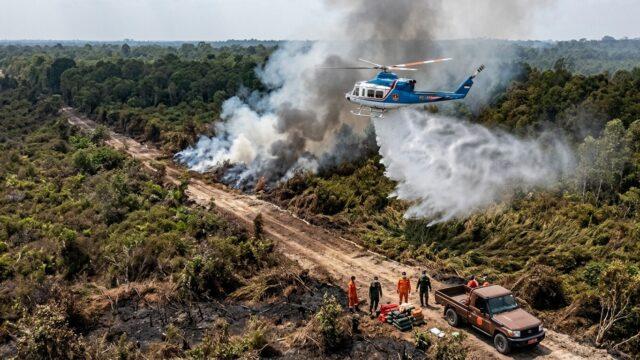
JAKARTA — Forest and land fires in Indonesia are renewing calls for cross-border accountability, as environmental groups say weak oversight and corporate links can extend the consequences beyond the country’s borders. Wahana Lingkungan Hidup Indonesia (WALHI), Indonesia’s environmental forum, is urging the government to recognize large-scale fires as ecocide and hold the state and companies responsible.
Umi Ma’rufah, a forest and plantations campaigner with WALHI’s national executive, made the call at a news conference for the Asia Pacific System Change Convergence 2026, titled “From the Grassroots to the Regional Level,” on Wednesday, Oct. 21, 2026. She said fires that burn for months across multiple provinces cannot be addressed through conventional responses alone.
“These fires must immediately be designated a form of ecocide, a massive, structured and long-term environmental crime,” Umi said.
Groups link fires to governance failures
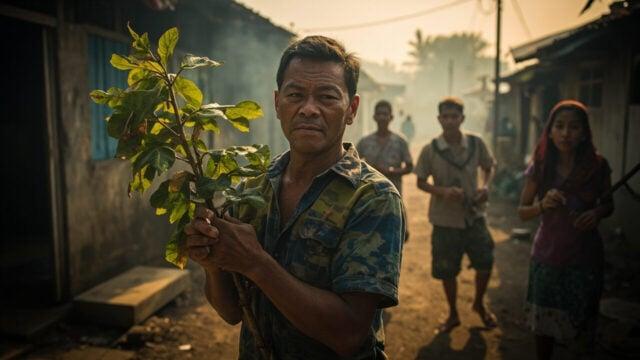
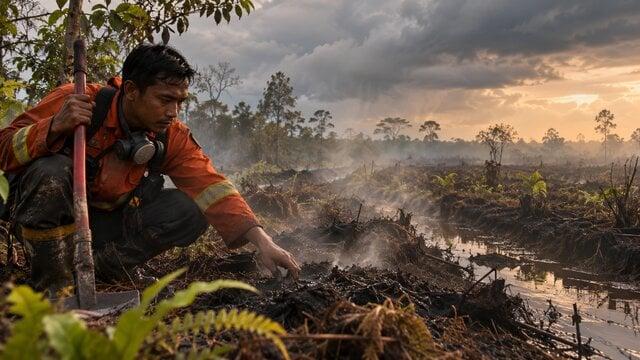
WALHI said fires across Indonesia point to a deepening ecological crisis tied to poor management of permits and development policies that neglect ecosystem functions. Umi cited fires in Central Kalimantan, West Kalimantan, South Kalimantan, East Kalimantan and North Kalimantan, as well as hotspots in South Sumatra, Jambi and Riau and in parts of Papua, Sulawesi and Java.
“Basically, these fires are happening because of the government’s own failure to manage permits and protect ecosystems,” she said. WALHI’s criticism focuses not only on how authorities respond after a fire starts, but also on the permits and policies the group says can leave ecosystems vulnerable.
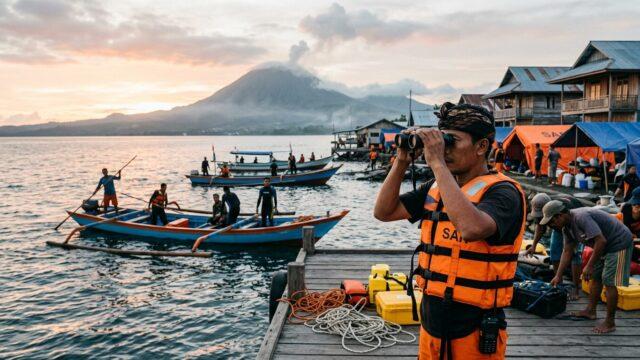
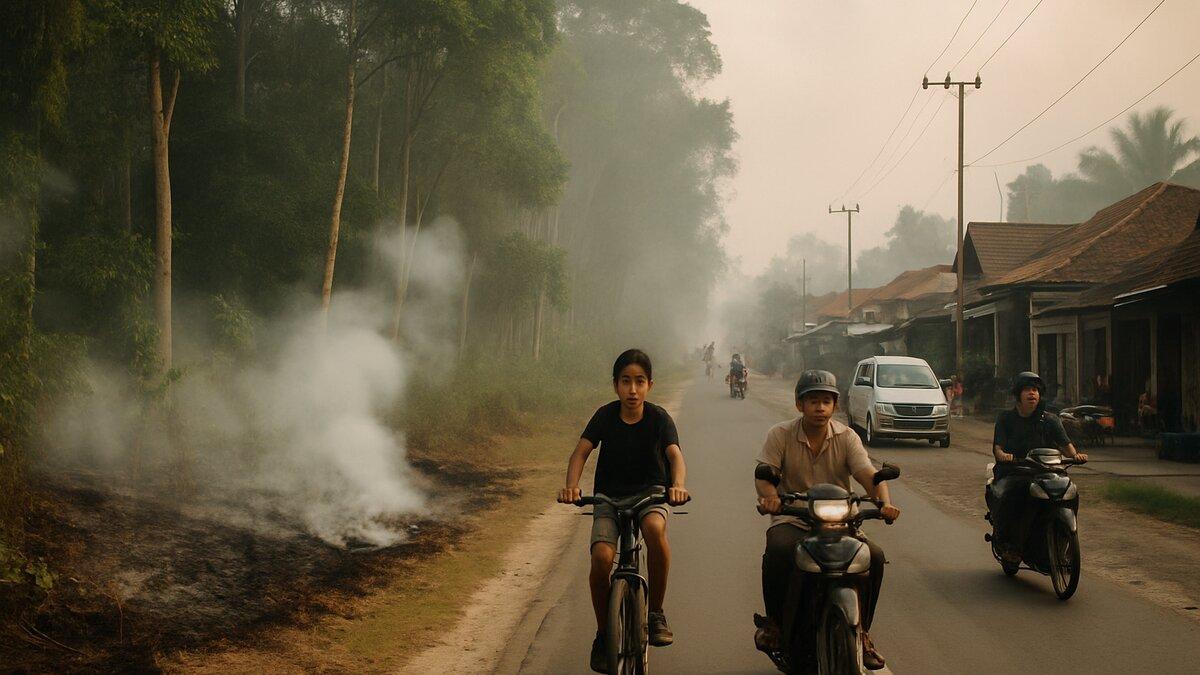
Umi said smoke from the fires affects people in Indonesia and neighboring countries, including Malaysia, Singapore and the Philippines. The potential reach of the smoke underscores the regional stakes of fires that begin within Indonesian territory.
Malaysia group calls for scrutiny of financing
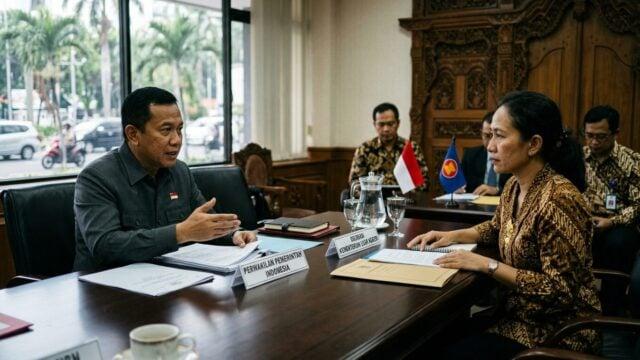
Meena Raman, president of Sahabat Alam Malaysia (SAM), said her organization is working with WALHI to press polluters to take responsibility and urge governments to act. She also raised the possibility of tracing banks that support companies connected to the fires, framing the proposal as a way to curb financing for environmentally damaging activity.
WALHI said hotspots had been found in Indonesian company concessions, including those linked through shareholders or parent companies to Singapore, Malaysia, Hong Kong, the British Virgin Islands and Samoa. The information draws attention to ownership and funding relationships, but the material provided does not name companies or banks, specify the number of hotspots, or report findings from investigations into the parties mentioned.
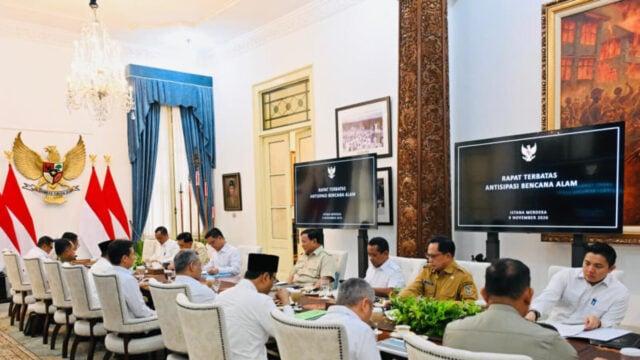
Calls to examine financing do not establish that any particular bank or company has legal liability. Determining responsibility would require evidence of each party’s role. WALHI is urging the government to review policies and permits, protect ecosystem functions and hold accountable parties proven to have caused pollution. Meena said SAM and WALHI would continue working together to press for action.