California Prop 40: Billionaire tax rejected despite blue wave
California voters rejected Proposition 40, a proposed one-time tax on billionaires, even as Democrats made gains in the midterm elections.
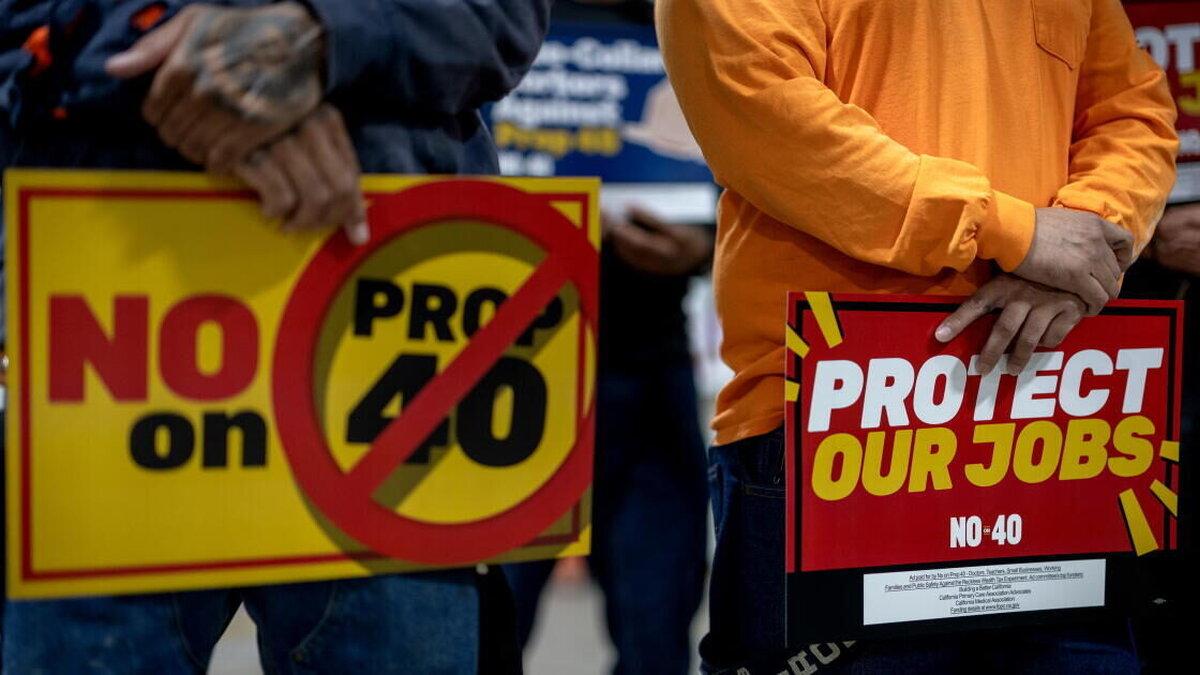
California voters rejected Proposition 40, a proposed one-time tax on billionaires, even as Democrats made gains in the midterm elections. The result exposed competing priorities among the state’s Democratic leaders, health care workers and wealthy donors.
The measure would have taken 5% of the assets of Californians worth more than $1 billion. Most of the money was intended to offset federal health care funding cuts, with 10% directed to education and food assistance.
About 53% of voters opposed the proposal and 47% supported it. It won support in Los Angeles and San Francisco but lost statewide.
Health care workers and their allies gathered more than 1.5 million signatures to put the tax on the ballot. The Service Employees International Union-United Healthcare Workers West backed the campaign, alongside supporters including U.S. Sen. Bernie Sanders, an independent from Vermont.
Opponents argued that a one-time levy could drive billionaires out of California and damage the economy. The “no” campaign raised roughly 10 times as much as the “yes” side. Google co-founder Sergey Brin contributed more than $100 million to a political action committee opposing the measure, while competing campaigns spent more than $400 million combined.
Gov. Gavin Newsom, a Democrat considering a possible presidential run in 2028, also opposed the tax. Its defeat was a win for Democratic leaders who resisted the proposal, despite backing for its health care aims among some labor groups.
Economists had sharply disagreed over whether the tax would raise revenue and curb inequality or prompt wealthy residents to leave and weaken state finances. The vote followed a campaign that revived a broader debate over taxing the ultra-rich.
Supporters have said they will revisit the tax.