Trinidad and Tobago Gay Sex Ban Struck Down by Privy Council
Britain's top court for several former colonies has struck down laws that criminalized gay sex in Trinidad and Tobago. The Judicial Committee of the Privy
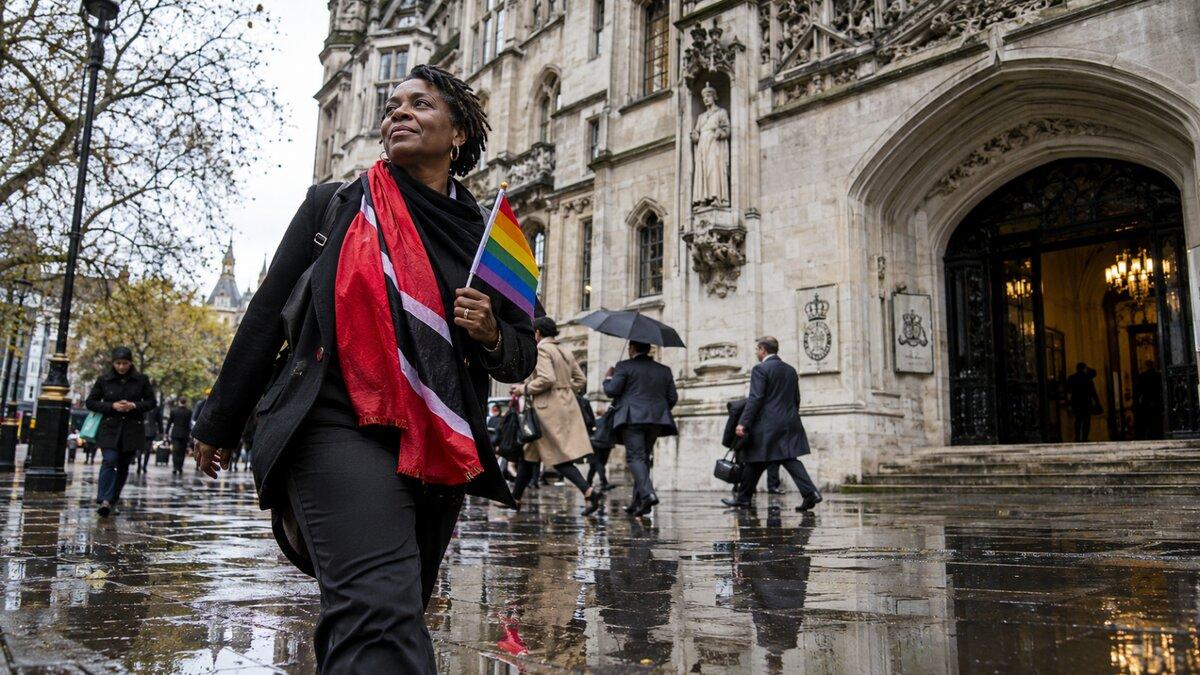
Britain's top court for several former colonies has struck down laws that criminalized gay sex in Trinidad and Tobago. The Judicial Committee of the Privy Council, sitting in London, ruled on Tuesday, November 10, that the colonial-era provisions are unconstitutional. The decision is final and cannot be appealed.
The committee is the final court of appeal for the Caribbean twin-island nation. It found the laws did not respect the "fundamental individual right to respect for private and family life."
The ruling also nullifies a law more than a century old. It had criminalized "buggery" and "gross indecency" between partners of the same sex. The first offense carried up to five years in prison, the second up to two years.
What the judges said
Judge Philip James Sales wrote that the laws could not be defended. "Those laws cannot be regarded as reasonably justifiable in a society that has a proper respect for the rights and freedom of the individual," he said.
The committee agreed with an earlier lower-court ruling that had struck the provisions down. Trinidad and Tobago is an independent republic and remains a member of the Commonwealth.
An years-long legal fight
Jason Jones, a 62-year-old dual citizen, filed the case in February 2017. He argued that the so-called buggery laws, inherited from British rule, violated the constitution.
Jones won in Trinidad's High Court in 2018. The government then appealed, and that ruling was overturned. His challenge continued to the Privy Council.
The laws have not been enforced in recent history. Critics say they still send a message of exclusion.
Wider Commonwealth impact
It is the first time the Privy Council has ruled on a case to decriminalize same-sex intimacy. Before the decision, Trinidad and Tobago was one of about 34 Commonwealth countries that criminalized homosexuality under colonial-era British laws.
Campaigners hope the judgment will prompt similar court challenges elsewhere in the Commonwealth. Activists around the world welcomed the ruling.
Jones said he hoped the outcome would "accelerate the fight for full equality." He called it a "stunning victory" and described himself as "a very angry gay man" who used that anger to carry him through the case.
"Society has treated me worse than a criminal," he said.