Indonesia’s Heroes Day Puts National Resilience to the Test
As Indonesia marks Heroes Day, rising food prices, forest fires and energy security highlight how national resilience depends on people’s safety and well-being.
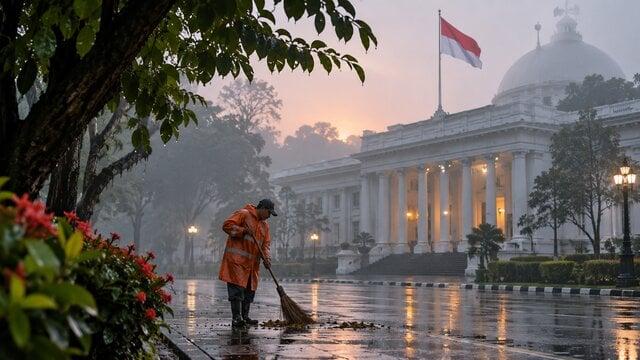
JAKARTA — Indonesia’s Heroes Day on Nov. 10 comes as rising food prices, extensive forest fires and energy security concerns test the country’s ability to protect its people — challenges that show how national resilience extends beyond military defense.
This year’s theme, “My Hero, My Inspiration: Moving Forward Together, Continuing the Struggle,” recalls the Battle of Surabaya on Nov. 10, 1945, a defining fight for Indonesia’s independence. The anniversary also invites a broader question: how can the spirit of collective sacrifice address the pressures facing Indonesians today?
Cost of living and disasters weigh on communities
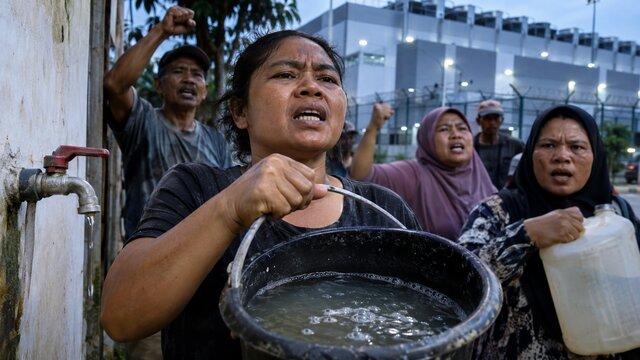
Indonesia’s Central Statistics Agency reported annual inflation of 3.23% in October 2026, while volatile food prices rose 5.81%. Higher food costs can squeeze household budgets, particularly for families who spend a large share of their income on basic necessities.
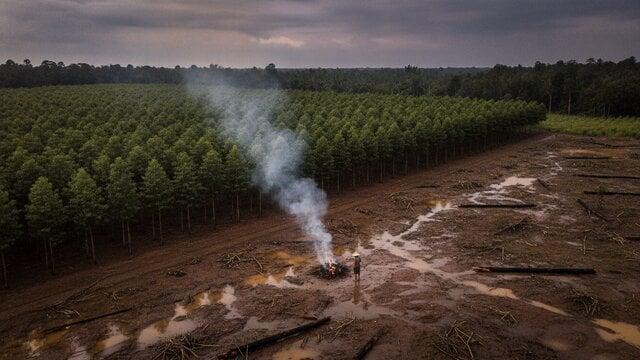
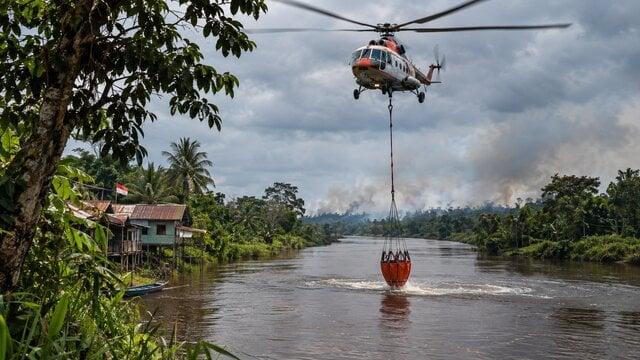
Forest and land fires in Sumatra and Kalimantan have brought risks to public health, livelihoods and ecosystems. The National Disaster Management Agency reported that about 25,409 hectares had burned as of Oct. 24, 2026, with roughly 17,942 hectares still not extinguished, according to preliminary monitoring.
Student demonstrations in several cities on Oct. 20 and Oct. 28 raised concerns including living costs, fires, government spending priorities, corruption and civil liberties. Peaceful public demonstrations are part of democratic life, and the issues they raise call for communication and accountability, the article argues.
Security includes people’s well-being
The United Nations Development Programme’s 1994 report on human security broadened the concept of security beyond protecting national territory. It also encompasses protection from poverty, hunger, disease, job insecurity and environmental damage — conditions that shape whether people can live safely.
President Prabowo Subianto discussed strengthening national energy resilience at a limited meeting at Merdeka Palace on Nov. 3, 2026. The agenda included developing E20 bioethanol. Energy security is one part of a wider effort to ensure supplies and build domestic capacity, the article says.
Prabowo has warned that Indonesia’s path to becoming a developed country will be difficult and that many countries have failed to achieve similar ambitions. The article says the warning should spur investment in people and institutions, enabling them to learn, adapt, advance knowledge and develop innovation.
Development measured by public benefit
The government’s eight Asta Cita missions include strengthening Pancasila and democracy, defense, food and energy independence, human capital, industrialization, rural development, governance reform, and environmental and cultural concerns. The agenda is framed as part of the drive toward Golden Indonesia 2045.
But development should be judged not only by the number of programs delivered. Policies must give people a role in shaping progress and ensure they benefit from it, the article argues.
“The state must not merely build for the people, but must ensure that the people are the subjects, owners and primary beneficiaries of every development policy,” the author writes.