Salsa Fargo 32 Review: 32-Inch Gravel Bike Wins on Traction
Testers who rode the Salsa Fargo 32, the first 32-inch gravel bike on the market, found its biggest gain in traction rather than smoothness. Its slack, long design suits bikepacking but dulls handling and acceleration. Here is what the field test found.
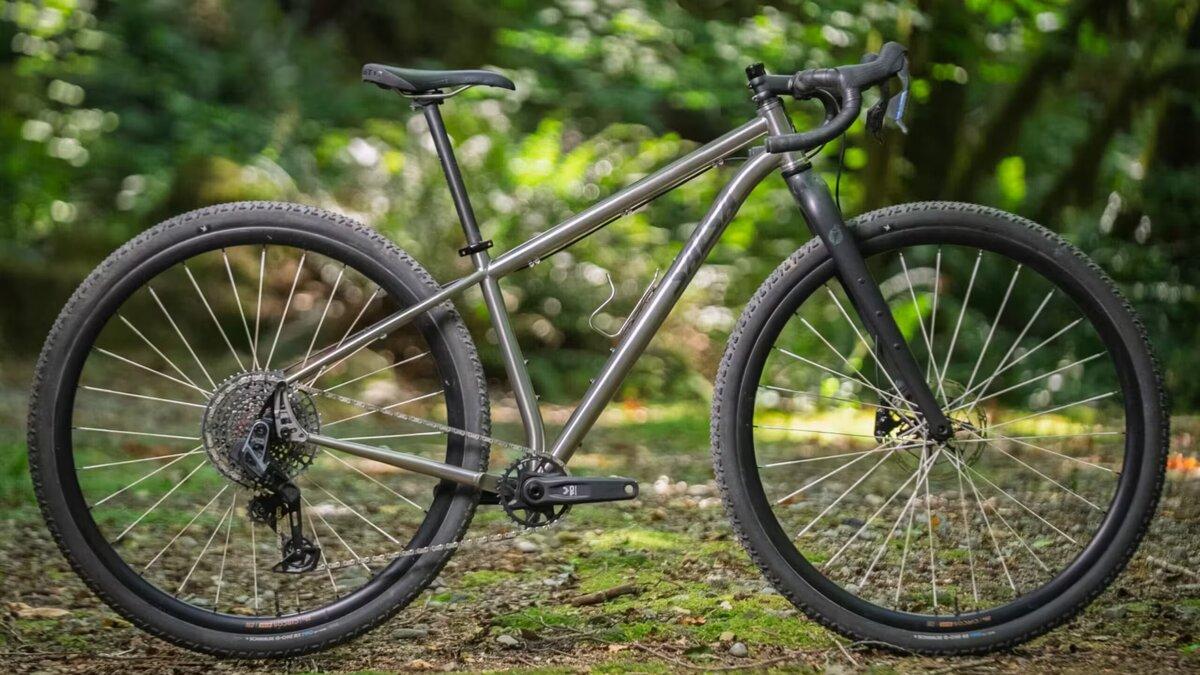
The Salsa Fargo 32 review verdict from a recent gravel field test is mixed but encouraging: the first 32-inch gravel bike on the market delivers clear gains in traction and stability, and clear costs in handling. Salsa unveiled the bike at Sea Otter in the spring.
Salsa sells the Fargo 32 as a bikepacking-specific bike. That means a longer, slacker design than most gravel bikes, built to carry gear over long distances.
What the testers liked
The field test put the Fargo 32 up against other bikes with tires standardized across the range. The tester said the difference showed up at once in how the tires gripped dirt, rock and roots.
"Traction is where the bike had the most tangible improvement over the other bikes in our Field Test," the tester wrote. Braking traction stood out in particular. The tester said they could dig into turns and push downhill with confidence.
The pros list is short and specific. The 32-inch wheels offer more stability and better traction than 29-inch wheels. The geometry handles the weight and bulk of bikepacking equipment. The metal frame is well made and light, given the added dimensions of the bigger wheels.
Roll-over benefit, with caveats
Roll-over and efficiency on rough ground are usually cited as the main case for 32-inch wheels. The tester was let down at first. The bike did not feel as smooth over bumps as expected, though the tester allowed that expectations may have been too high because the wheels have no suspension.
More time on the bike changed that view. On a steep uphill trail with a tough rooted step-up, the tester failed two attempts on other bikes. They then cleaned the roots with relative ease on the 32-inch bike.
The Fargo also won the climbing challenge, a short technical ascent with mixed gradients and surfaces. It did so despite not being the lightest or snappiest bike. When the tester pushed uphill, the bike held its speed over obstacles.
Where it falls short
The cons come from the same geometry that suits bikepacking. A high front end makes aggressive riding positions impossible. A slack head tube prioritizes stability at the expense of precision.
The long wheelbase can make the bike feel as if it lumbers up to speed. The testers mostly rode it as a straight-up gravel bike rather than loaded for a trip, so those traits showed on ordinary rides.
The tester was generous about the bike's place in the market. "What I love about the Fargo 32 is that it exists," they wrote, adding that the industry needs 32-inch bikes to ride before it can decide what to make of them. They called being first to market with a mainstream product a risk and gave Salsa credit for taking it.
The Fargo 32 appeared in a three-episode gravel field test series that is now streaming.