IEA Chief Birol Says World Has Entered the ‘Age of Electricity’
Fatih Birol, head of the International Energy Agency, says the world is now in the age of electricity. He expects 12,000 gigawatts of new capacity in a decade, as Cop31 talks consider a 35% electrification goal for 2035.
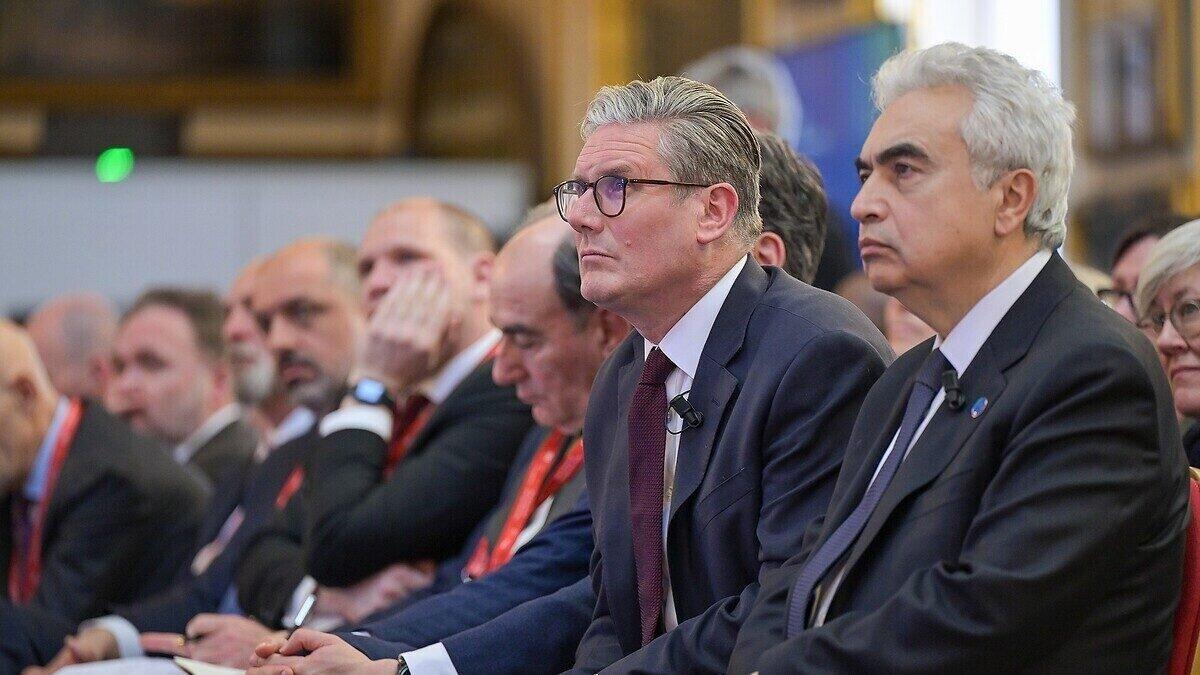
Fatih Birol, executive director of the International Energy Agency (IEA), said at the Cop31 UN climate summit in Turkey that the world has left behind the age of coal, oil and gas and is now in "the age of electricity." He called it a turning point for world energy.
The shift matters for bills and supply security. Countries are rushing to protect themselves from fossil fuel price swings and supply shocks, such as the Iran war, according to Birol.
12,000 gigawatts expected
Birol said the world added about 5,000 gigawatts of electricity generation in the last 10 years. The IEA expects about 12,000 gigawatts in the next 10, a figure he called "very conservative."
That is more than twice the previous decade's additions. "We will still use oil and gas, but the dominant source of energy is becoming electricity," he said.
Three drivers
Birol named three forces behind the growth: AI and datacentres, electric transport, and air conditioning. The last, he said, is the biggest by volume. "Air conditioners are growing explosively."
Outside China, electric car sales have risen 60% in the last nine months, the IEA has found. Heatwaves are growing more intense and frequent as global temperatures rise, which pushes demand for cooling.
About 90% of US households have air conditioning, Birol said. In India the share is below 20%, and in Nigeria about 5%.
The 35% proposal
Governments from 185 countries are meeting in Antalya this week and next. A resolution on the table would aim to draw 35% of final energy worldwide from electricity by 2035.
Electricity now meets about a quarter of most energy needs. Fossil fuels supply about three-quarters of final energy, mostly for transport, heating and industry.
Electrifying those uses also cuts waste. Experts say most fossil fuel energy is lost as heat, so electrified activities need to replace only about half of the energy.
Opposition and consensus rules
Birol said most countries back the goal. He has worked with the Turkish and Australian governments, which jointly preside over this year's summit.
Some governments, including Saudi Arabia and Russia, are said to oppose it. Decisions need consensus, so a small number of countries can block the rest.
Birol said adoption would send "an unmistakable signal to the markets and investors." He called it "one of the most consequential decisions coming from Cops in the last several years." Even if the resolution fails, he said, the "staggering" progress would continue.