SpaceX to Try Catching Booster and Ship in Starship Flight 15 Launch
SpaceX will launch Starship Flight 15 from South Texas on Friday, November 13, trying for the first time to catch both the booster and the upper-stage ship. A successful catch would be a major step toward a fully reusable rocket.
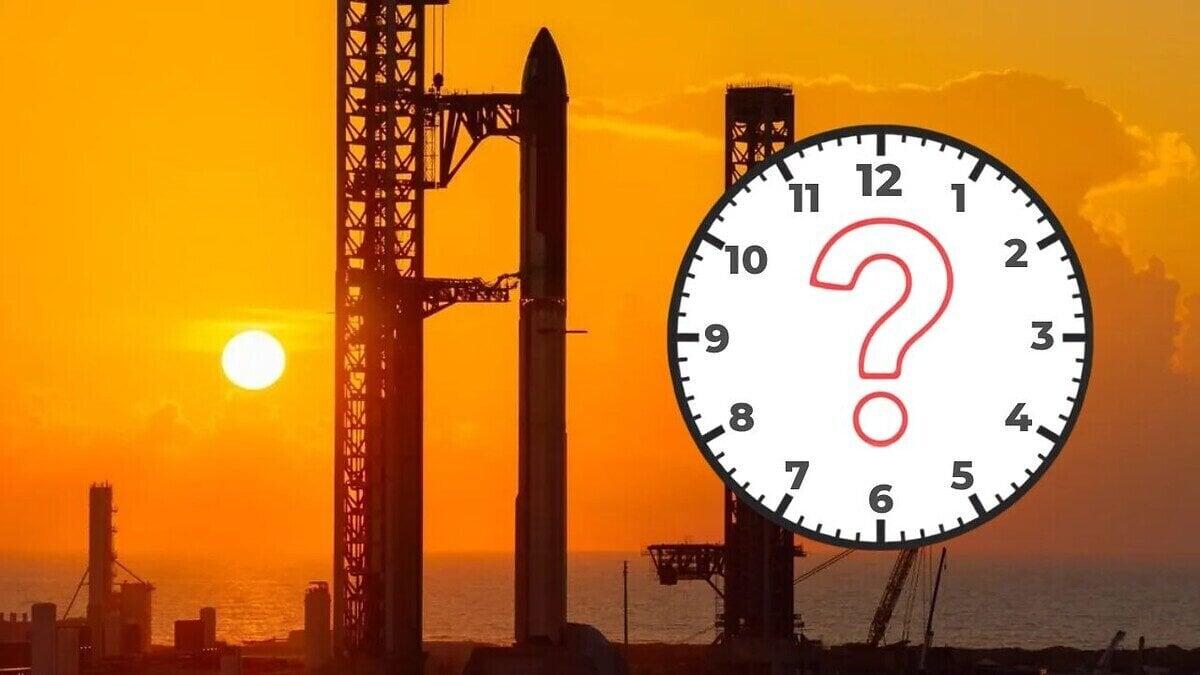
SpaceX plans to launch Starship Flight 15, the 15th test flight of its Starship rocket, from Starbase in South Texas on Friday, November 13, 2026, in a 75-minute window opening at 5:45 p.m. EST (2245 GMT). The company will try for the first time to catch both the booster and the upper-stage ship with the launch tower's arms.
No one has yet recovered an entire orbital launch system this way. SpaceX calls full reusability the "holy grail" of rocketry, because it would end the practice of discarding multimillion-dollar rocket parts after one mission.
Elon Musk, SpaceX's CEO, hopes that could cut the cost of a launch by orders of magnitude.
In a mission description, the company said success "will mark the first full recovery of an orbital launch system and a breakthrough moment in making Starship a reliable, rapidly reusable rocket."
The plan runs over two days. The Super Heavy booster is due back at Starbase about 6.5 minutes after liftoff. SpaceX has caught the booster on three earlier test flights, but never with the current V3 version of the vehicle, which debuted in May.
The ship, a 171-foot-tall spacecraft, carries on to low Earth orbit. About 35 minutes after launch it will begin a 42-minute stretch of deploying 26 of SpaceX's next-generation Starlink V3 satellites. Flight 14 on September 28 carried the first batch of 26.
The ship would then circle the planet about 14 times over roughly 22 hours. It is due to return to Starbase for its own catch on Saturday afternoon, November 14, about 22.5 hours after liftoff.
Reaching orbit is itself a risk. The ship must relight its engines and top 17,000 miles per hour, or 20 times the speed of sound. SpaceX only narrowly managed that for the first time in September.
Jeremy Pedro, SpaceX's director of Starship propulsion systems, said in a company video that the vehicle must not be left in orbit in case it reenters at random. "It's really important that we do not leave the vehicle on orbit in the event that it randomly reenters and comes back over landmasses or populated areas," he said.
SpaceX will call off the ship catch if the vehicle has any problem during the flight. In that case it would steer the ship to a splashdown in the Pacific Ocean, either near Hawaii or off the coast of Chile.
The company says it needs to recapture and refly the whole vehicle to pursue its largest goals. Those include helping NASA establish a permanent human presence on the moon, expanding the Starlink internet network and launching an orbital data center.