Family-run berry farm looks to AI to ease harvest labor gap
Western Berry, Western Australia's largest blueberry grower, is adding driverless tractors and machine harvesting, and is exploring AI-guided pruning. The family-owned business plans to triple output while facing a tight seasonal labor market.
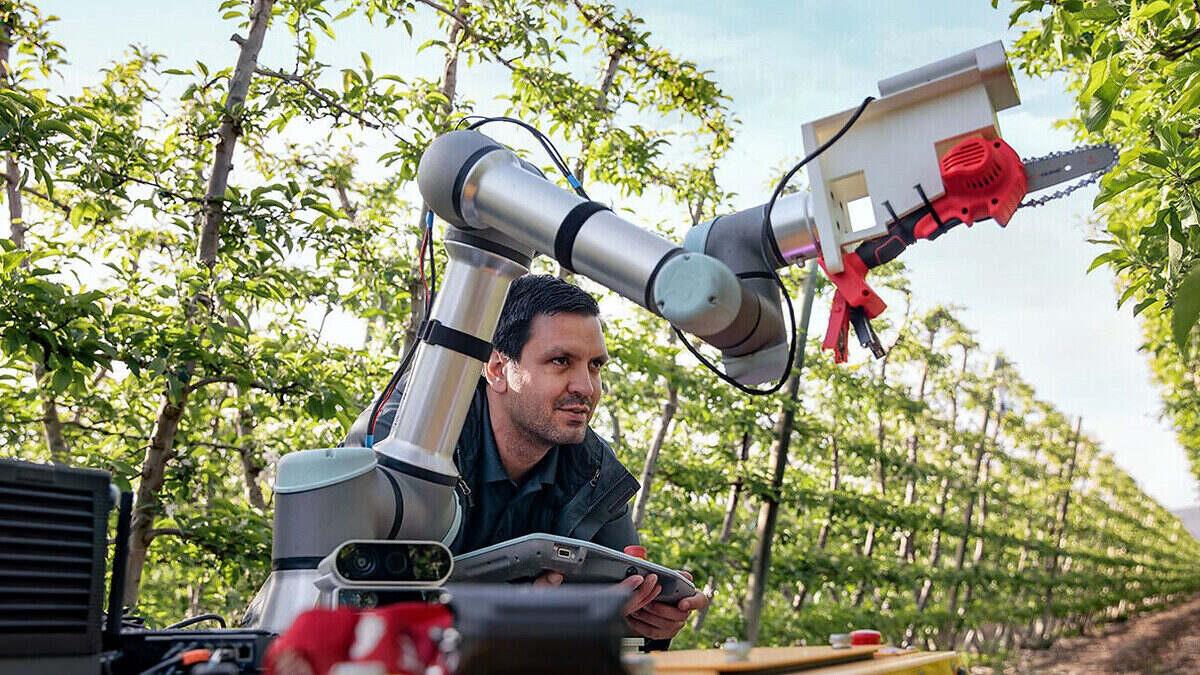
Western Berry, Western Australia's largest blueberry grower, is investing in AI, driverless tractors and machine harvesting as the family-run berry farm looks to cut labor costs and ease the hunt for workers at peak harvest, the company said.
The business says automation can reduce costs but will not remove the need for people. It plans to triple production in the coming years.
Visa limits add pressure
Earlier this year, Australian food producers raised concerns about slower federal visa processing and limits on working holiday maker numbers. They said the changes could cut access to seasonal labor.
Western Berry's blueberry operation sits 100 kilometers north of Perth and covers 120 hectares. It will produce just under 1,500 tonnes this year, bound for supermarkets across Australia and Asia.
Its owners, the Kwiecien-Fisher family, say more fruit means more workers. Many horticultural businesses describe that as increasingly difficult and expensive.
Tractors, packing and data
Operations manager Marek Kwiecien-Fisher said the company is trialling autonomous technology wherever it can. Self-navigating tractors spray the berries, run laser-guided weed control on the ground and haul fruit from the field to the pack house.
"Then in the packing we use a lot of autonomy in photographic packing, grading solutions and autonomous punnetising," he said.
Driverless tractors use GPS mapping, sensors and cameras to follow set routes, and can also be run remotely. Kwiecien-Fisher called them an expensive outlay that takes time to learn and set up, but said he believes they have a firm future on the farm.
Pack house data is also proving useful. He said it can show how the farm will operate next year and where to fill gaps in production, supply models or customer requirements.
AI pruning next
The company is also looking at humanoid robots pruning plants and AI modeling of future crops. Kwiecien-Fisher said pruning largely sets how much fruit the farm picks the following year, making it a key forecasting tool.
"If we can teach an AI model where to prune and how to prune, and if that can teach a humanoid robot where to prune and how to prune, you basically get rid of any damage to your drip lines, trellising, your pruning equipment, your plants and it becomes a very precise farming technique," he said.
Other options include autonomous mowing, flower counts and crop health detection, using cameras to check for poor irrigation.
Still a family business
Western Berry remains family-run. Almost 30 years ago, Derek Fisher and his wife Barbara bought what is now one part of the farm, wanting space for their young family.
It was a former ostrich property, first planted with olives in 2001. A successful one-hectare blueberry trial led them to change course and move into blueberries.