India Credits Policy, Not Luck, as GDP Grows 7.8% in Q1 FY27
India's economy grew 7.8% year-on-year in the first quarter of FY27 despite war, tariffs and tighter US policy. An analysis published November 12, 2026 credits fiscal discipline rather than luck, while warning that no single policy explains the result.
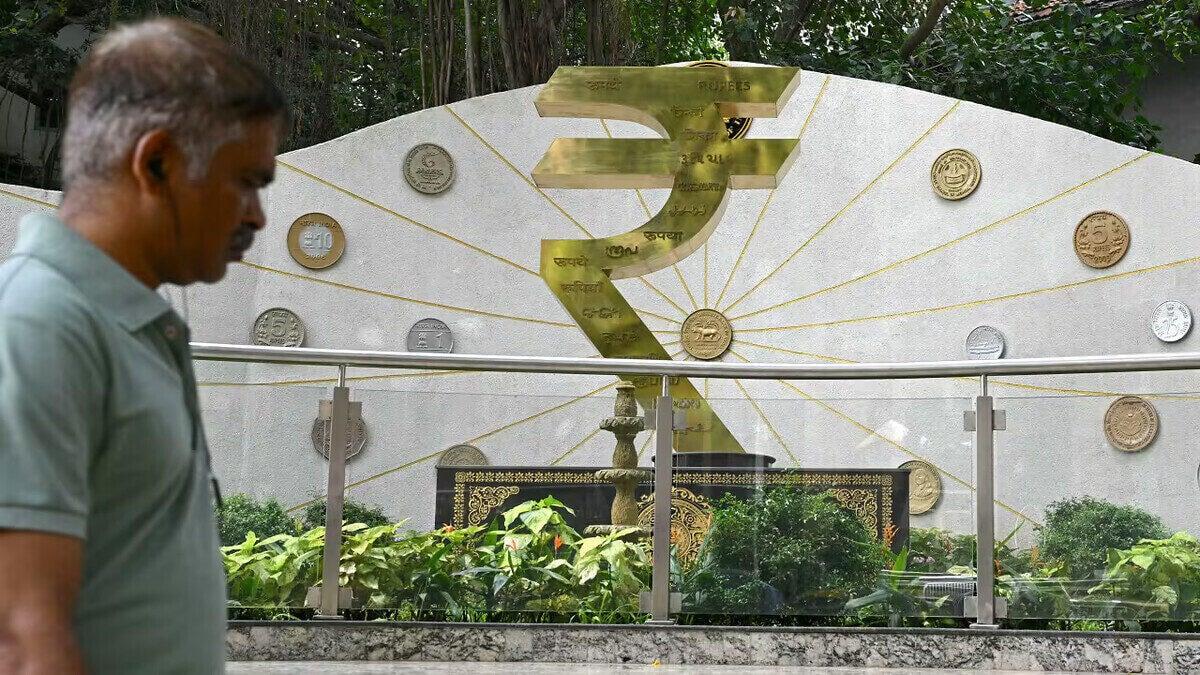
India's gross domestic product grew 7.8% year-on-year in the first quarter of the fiscal year 2026-27 (FY27), according to an analysis published on November 12, 2026. It argues that luck played little part in that result and that policy and fiscal discipline kept the economy moving through a turbulent year.
The analysis credits the government of Prime Minister Narendra Modi. It says New Delhi resisted populist spending, kept up targeted capital expenditure and pursued structural reforms.
What the data show
Industrial output grew year-on-year in each of the 12 months from October 2025 to September 2026. Cumulative production rose 6.8% in April–September of FY27.
Gross Goods and Services Tax (GST) collections for April–October 2026 reached Rs 14.78 lakh crore, up 13.2% from a year earlier. Net collections rose 12.6% to Rs 12.69 lakh crore. The analysis reads this as a sign that domestic demand held up against the external drag.
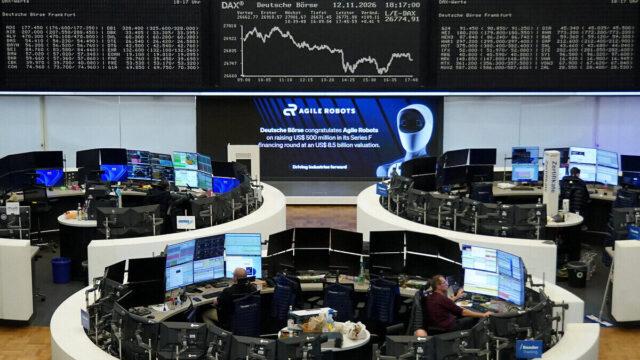
Stocks told a mixed story. Across the Samvat 2082 trading year, which began at last Diwali, the Nifty fell 3.1%. The Midcap 100 and Smallcap 100 indexes gained 2.1% and 4.2%.
A year of shocks
Last Diwali, the outlook looked fairly benign. The Sensex stood at 84,400, less than 2% below its record, and investors hoped global tariff tensions would ease.
Several shocks then arrived together. The US intervened in Venezuela in January. US and Israeli strikes on Iran followed at the end of February, and the conflict widened into Lebanon.
India imports more than 85% of its crude oil, so swings in energy prices carried immediate fiscal and external risks. Gold hit a record in January, then lost more than a quarter of its value by June.
The US Federal Reserve shifted from rate cuts to rate hikes, which tightened global liquidity. Higher US tariffs challenged exporters. Deficient rainfall added pressure on domestic food supplies.
The fiscal argument
The analysis says India did not escape the turbulence. Its point is that external shocks failed to overwhelm domestic activity, helped by continued public investment, foreign exchange buffers and a deeper pool of domestic savings.
"An economy's true strength is measured not by how fast it grows in benign conditions, but by how much shock it can absorb without derailing," it says.
The government budgeted a fiscal deficit of 4.3% of GDP for FY27, about Rs 16.96 lakh crore. The deficit for the first half of FY27 reached Rs 7.14 lakh crore.
The analysis adds a caveat. It says neither the government's fiscal choices nor the Reserve Bank of India's management of external accounts should be treated as the sole explanation for a complex economic outcome.