US Wholesale Prices Rose 0.3% in October, Annual Rate Hits 6.5%
The producer price index climbed 0.3% in October, a touch below forecasts, but the 6.5% annual rate is the highest since November 2022. Markets still expect the Federal Reserve to raise interest rates at its December meeting.
US wholesale prices rose 0.3% in October from September, the Bureau of Labor Statistics reported Friday, slightly less than the 0.4% economists had forecast. Over the past 12 months, the producer price index (PPI) jumped 6.5%, the biggest annual increase since November 2022.
The PPI tracks what domestic producers receive for their goods and services before products reach consumers. The annual rate rose 0.2 percentage point from the prior reading.
Core PPI, which strips out food and energy, also gained 0.3%, in line with expectations. Excluding food, energy and trade services, prices rose 0.5%.
Goods drive the increase
Goods prices increased 0.5% in October. More than 60% of that move came from goods excluding food and energy, according to the report. On an annual basis, the goods index jumped 10.2%, its biggest 12-month surge since October 2022.
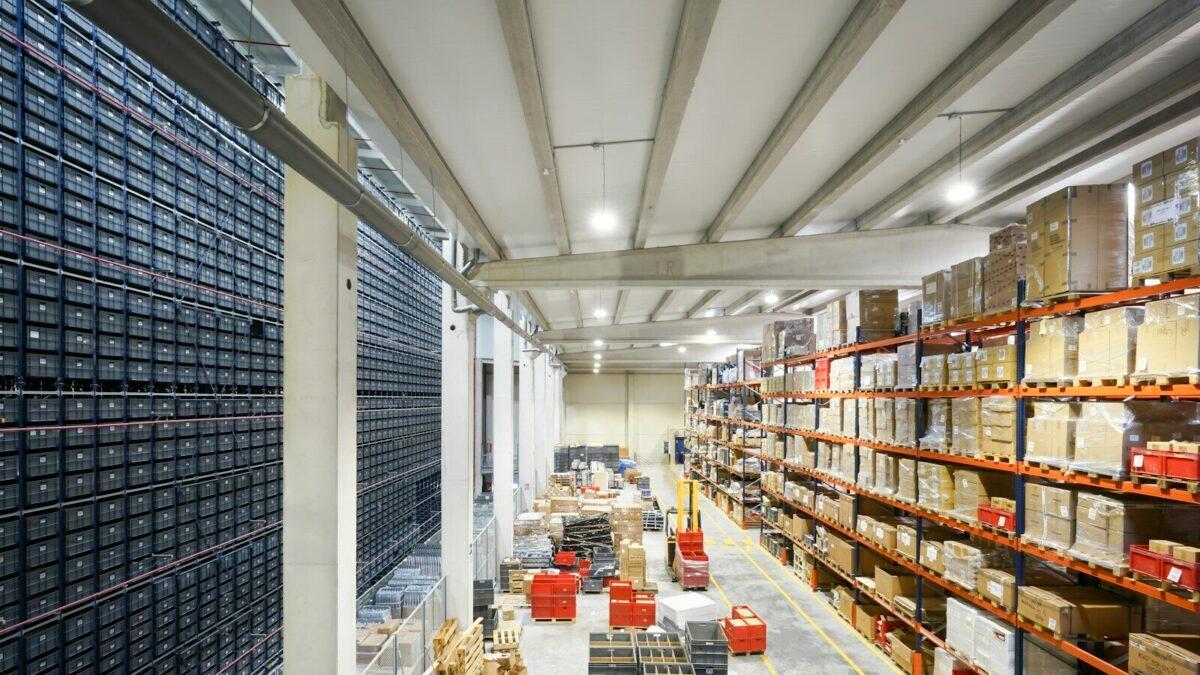
Final demand services prices rose 0.2%. Most of that was linked to transportation and warehousing, including a 3.9% gain in truck freight.
Prices for intermediate processed goods, which are inputs that producers buy, soared 14.6% from October 2025. That was the largest annual gain since July 2022. Intermediate services prices rose 6.9%.
Fed expectations
The data lands weeks before the Federal Reserve meets December 8-9. Markets fully price in an increase of at least a quarter percentage point in the central bank's key overnight borrowing rate, with slight odds of a half-point move. Stock futures extended gains after the release, while Treasury yields were mixed.
Earlier this week, the BLS reported that consumer prices rose 0.4% in October, with the core measure up 0.3%. Both were 0.1 percentage point above forecasts. Because of the government shutdown in October 2025, the BLS could not collect some data and did not publish a 12-month CPI figure.
Chris Zaccarelli, chief investment officer at Northlight Asset Management, said the PPI data shows some signs of improving but remains too high. He said it is unlikely to change the Fed's December approach because the consumer price data was already outside the central bank's comfort zone.
Policymakers are increasingly worried that price pressure from the Iran war, higher fuel costs and President Donald Trump's tariffs is spreading through the economy. The Fed would normally look through such shocks as temporary. Broad price gains could signal that inflation is becoming more entrenched.
Chicago Fed President Austan Goolsbee said that inflation has been above 2% for almost six years. "Lately we're not making any progress, and if anything, it's going the wrong way," he said.