Heidi Everett Says Schizophrenia Means No Monsters Under Her Bed
Artist Heidi Everett, diagnosed with schizophrenia at 23, says headlines linking the condition to violent crime make her feel like a walking headline. In an essay published November 15, 2026, she describes the stigma her community faces and the diagnosis she says reduced her to a label.
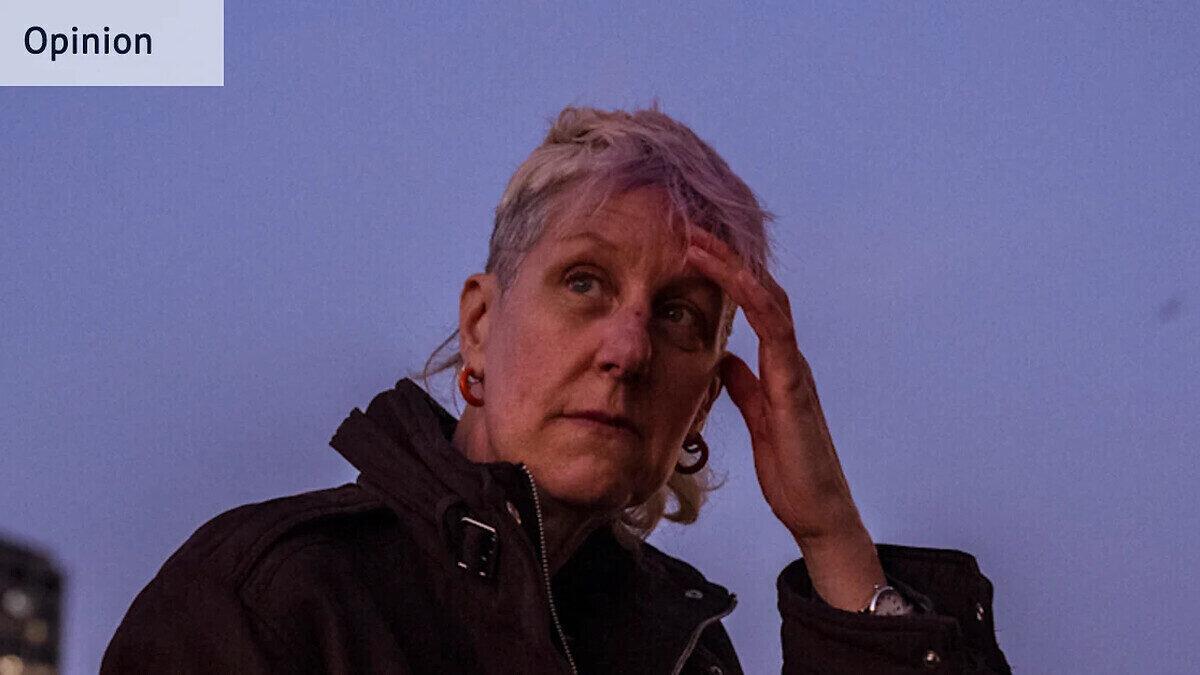
Artist Heidi Everett, who was diagnosed with schizophrenia at 23, says crime headlines that name her condition leave her feeling like a walking headline. She made the argument in a first-person essay published November 15, 2026, with a blunt message: there are no schizophrenia monsters under her bed.
Everett describes a daily ritual. She buys herself a coffee to remind herself she is an adult, and works to believe the world is not falling apart because of her existence.
Then, she writes, comes another reminder. While she waited for that coffee, she glanced at a newspaper stand and saw her health condition linked to a "shockingly violent crime" in big, bold letters.
A diagnosis in 20 minutes
Everett says her diagnosis was schizoaffective, a form that usually involves hallucinations or delusions and mood changes. She notes there are at least seven subtypes.
She says she was bullied by classmates and teachers as a child. While still a teenager, she says, she ended up on the streets and was later taken to a public psychiatric ward.
The diagnosis, she writes, rested on questions put by a male psychiatrist she had only just met. Did she hear voices? See things nobody else did? Want to die? She answered yes to everything. She says she wanted to explain that her "voices" were jazz singers, opera sopranos and orchestras, but could not respond beyond yes or no.
"Twenty minutes later, I became Schizophrenia," she writes. "No longer Heidi Everett."
Stigma and the social model
Everett says she condemns the actions of anyone who hurts other people. But when psychosis is a factor in an terrible act, she writes, people with schizophrenia are implicated and their diagnosis becomes the explanation.
She says the result is another round of shame for her community. Some decide not to play tennis, meet for coffee or go to a job interview. "The stigma does the driving, but we pay the toll," she writes.
She contrasts two ways of treating health conditions. The 20th-century medical model sought to cure, treat or prevent them. In the early 2000s, she notes, the United Nations Convention on the Rights of Persons with Disabilities pushed instead to improve shared environments to reduce what disables people.
Everett says that shift has brought guide dogs, ramps and wider use of sign language, and she learned Auslan herself. But she argues the social model does not yet extend to people with psychosocial conditions such as schizophrenia.
In her view, the mental health system, led by psychiatry, still treats psychosis as the problem rather than social attitudes, practices or infrastructure. She now calls her disability "complex mental health" instead of using her clinical diagnosis.
 Take the quizWhat Kind of Holiday Spender Are You? Take the Black Friday QuizStart →
- 1Mavericks Surfers Race to California for Waves Near 50 Feet

- 2I’m A Celebrity 2026 Line-Up: Rooney Leads 11 Stars Into Jungle

- 3NYC Medical Examiner Has Not Determined Cause of Death of Beau Rose Jessup
- 4Mountaineer Finds Ice Age Cave Bear Graveyard in the Dolomites

- 5Rugby League World Cup Final 2026: Kick-Off Times and How to Watch Kangaroos v New Zealand

 Lifestyle7 Signs Your Social Battery Is Running Low (and Why You Keep Cancelling Plans)
 Lifestyle · Food & HealthThanksgiving Food Safety: How Long Leftovers Last and the Safe Turkey Temperature
 Lifestyle7 Quiet Habits of Emotionally Intelligent People, According to Psychologists
 LifestylePeople Who Don’t Like Celebrating Their Birthday Often Share These 7 Traits