RBI Expected to Raise Interest Rates to 6.25% as Inflation Tops 6%
Economists expect the Reserve Bank of India to lift its benchmark rate by another 50 to 75 basis points, to as high as 6.25% from 5.5%. October inflation hit a two-year high above the central bank's 6% ceiling, and oil sits near $100 a barrel.
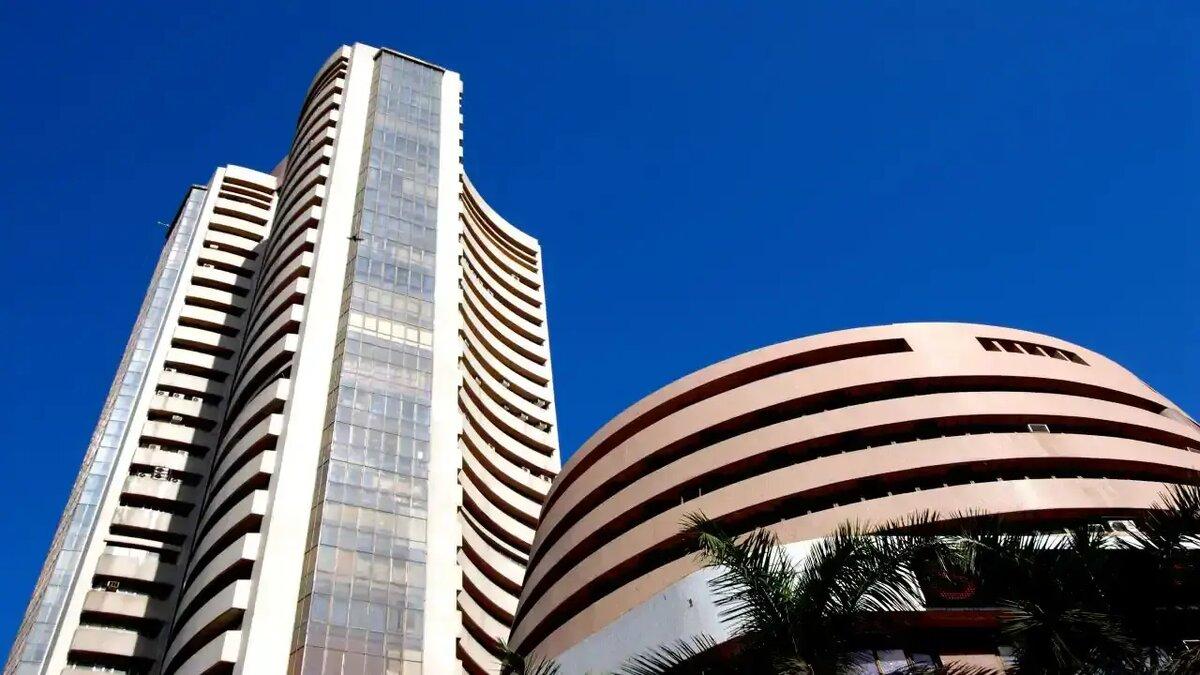
The Reserve Bank of India is expected to raise interest rates to as high as 6.25% from 5.5% now, with economists and traders pricing in another 50 to 75 basis points of tightening in the coming months. A basis point is one-hundredth of a percentage point. If the RBI does raise interest rates that far, India's borrowing costs would return to levels last seen about two years ago.
Inflation gives the central bank little room. Figures released last week showed consumer prices rose to a two-year high in October, breaching the 6% ceiling of the RBI's tolerance band. The bank delivered its first rate hike in nearly four years last month.
Why this cycle looks harder
The backdrop is tougher than during the previous tightening cycle in 2024-25, when cheaper oil and easing food prices gave policymakers more room. Oil is now near $100 a barrel, and the Middle East conflict has kept crude elevated. That swells India's import bill and adds to the government's subsidy burden.
India's trade deficit widened to a one-year high in October, according to figures released Friday. Food is another strain: severe El Niño conditions threaten global harvests, and deficient rains have hurt crops at home.
Apoorva Javadekar, head of research at Shriram Research Pvt Ltd, called the mix of rising prices and borrowing costs "a double whammy for India." He said it would hit consumption, especially in rural areas, where inflation is higher than in cities.
December hike seen as near certain
Aditi Nayar, an economist at ratings agency ICRA Ltd., expects inflation "to remain above the 6% upper bound of the RBI's tolerance band over the next couple of months." She called a December rate hike "almost certain."
Madhavi Arora, an economist at Emkay Global Financial Services, warned of "demand destruction," because supply-side pressures are beyond the RBI's control.
Global policy adds another risk. Further tightening by the US Federal Reserve would narrow the yield advantage of Indian assets. That could speed capital outflows and weaken the rupee.
Political and growth cushions
Higher rates could also pose a political problem for Prime Minister Narendra Modi's government. Protests this year are at their highest in a decade, according to ACLED, a nonprofit that tracks political violence and protests. Tens of thousands joined an opposition rally in New Delhi earlier this month over a contentious overhaul of voter rolls, and some demonstrators also voiced frustration over inflation and unemployment.
Some factors favor the central bank. Gross domestic product grew 7.8% in the April-June quarter, and private consumption rose 7.1%. Full-year growth is on track to exceed 7%, so economists say the RBI can sacrifice some demand to bring prices down.
RBI Governor Sanjay Malhotra signaled last month that policymakers are ready to do so. High inflation is a "tax on everyone," he said.
 Take the quizWhat Kind of Holiday Spender Are You? Take the Black Friday QuizStart →
- 1I’m A Celebrity 2026 Line-Up: Rooney Leads 11 Stars Into Jungle

- 2Mavericks Surfers Race to California for Waves Near 50 Feet

- 3NYC Medical Examiner Has Not Determined Cause of Death of Beau Rose Jessup

- 4Mountaineer Finds Ice Age Cave Bear Graveyard in the Dolomites

- 5Rugby League World Cup Final 2026: Kick-Off Times and How to Watch Kangaroos v New Zealand

 Lifestyle7 Signs Your Social Battery Is Running Low (and Why You Keep Cancelling Plans)
 Lifestyle · Food & HealthThanksgiving Food Safety: How Long Leftovers Last and the Safe Turkey Temperature
 Lifestyle7 Quiet Habits of Emotionally Intelligent People, According to Psychologists
 LifestylePeople Who Don’t Like Celebrating Their Birthday Often Share These 7 Traits