US senators seek AI cyber strategy after outages
Senators Maria Cantwell and Mike Rounds have asked White House AI czar Jay Clayton to develop a national strategy against AI-assisted cyber threats. They cited attacks in Japan and risks to bank accounts, while US officials said they had no evidence linking recent outages to malicious actors.
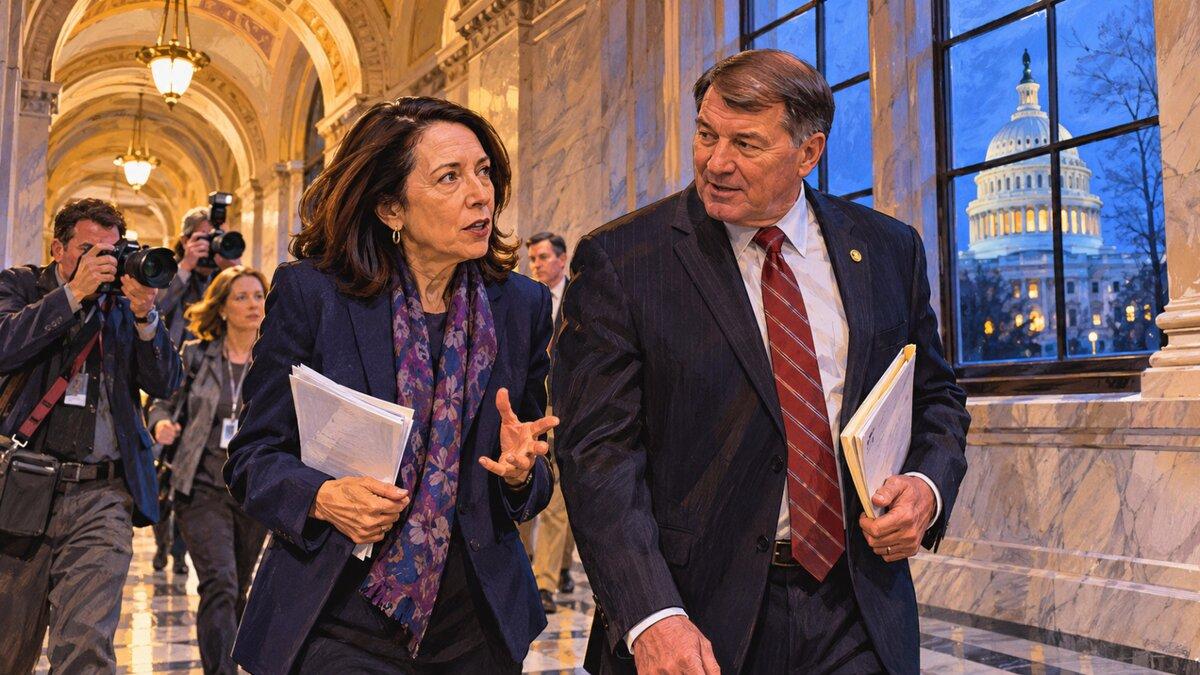
US Senators Maria Cantwell and Mike Rounds urged the White House to develop a national strategy against AI-assisted cyber threats in a new bipartisan letter.
Their appeal follows a string of outages affecting US consumers and travelers. It is unclear whether artificial intelligence played any role in those disruptions.
Cantwell, a Washington Democrat, is the top Democrat on the Senate Commerce Committee. Rounds, a South Dakota Republican, chairs the Senate Armed Services Committee Subcommittee on Cybersecurity.
They sent the letter to White House AI czar Jay Clayton, who also serves as director of national intelligence. They asked his task force to bring AI companies and federal agencies together to secure digital infrastructure.
“AI is rapidly increasing the ability to discover and exploit weaknesses in software, and our defenses are not keeping pace,” the senators wrote.
They said AI can quickly identify software vulnerabilities and bypass ordinary cyber defenses. Security patches designed to protect infrastructure can take weeks or months to test and install, they added.
The senators also called for security standards for autonomous AI agents, which can perform tasks on their own. They said such agents can introduce new security risks.
The letter cited incidents in which rogue AI agents accessed customers’ bank accounts. Those incidents left banks concerned that AI could initiate transactions independently, the senators said.
They also pointed to a wave of cyberattacks in Japan affecting financial institutions and companies. The attacks are believed to have been aided by AI, the senators said, and have led to large-scale data breaches and leaks.
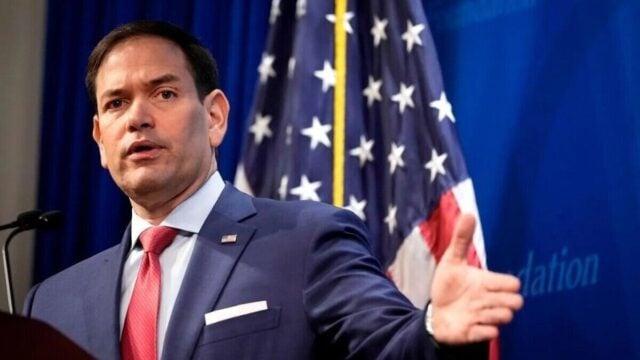
Secretary of State Marco Rubio said recent outages affecting Microsoft Outlook, United Airlines and the Federal Aviation Administration were not connected to one another.
“We have zero evidence or any reason to believe that any of these isolated or individual instances have anything to do with nefarious actors, with cyber hackers, with criminals, with another nation state, with a malign actor of any kind,” Rubio said.
Clayton is leading a task force of government officials charged with producing an AI policy by the end of January.
 Take the quizWhat Kind of Holiday Spender Are You? Take the Black Friday QuizStart →
- 1U.S. Emergency Alert Test Nov. 17 Is Not a Power Outage

- 2Gold Silver Price November: Futures Rise Near Yearly Lows

- 3GTA 6 New Zealand Time Trick Is Not Guaranteed to Work

- 4Michael Clarke Says Sandpapergate Scars Drew Steve Smith to New York

- 5Sunrise on the Reaping Reviews Split Over Dark Hunger Games Prequel

 Lifestyle · Food & Health4 Reasons to Eat Oatmeal, According to Nutrition Experts
 Lifestyle7 Signs Your Social Battery Is Running Low (and Why You Keep Cancelling Plans)
 Lifestyle · Food & HealthThanksgiving Food Safety: How Long Leftovers Last and the Safe Turkey Temperature
 Lifestyle7 Quiet Habits of Emotionally Intelligent People, According to Psychologists