Australia, Indonesia and Papua New Guinea Expand Defense Ties
Australia, Indonesia and Papua New Guinea are developing closer defense cooperation, with maritime security, disaster response and aviation safety among their priorities. The countries agreed to hold annual defense minister meetings, and Indonesia is scheduled to host the next gathering.
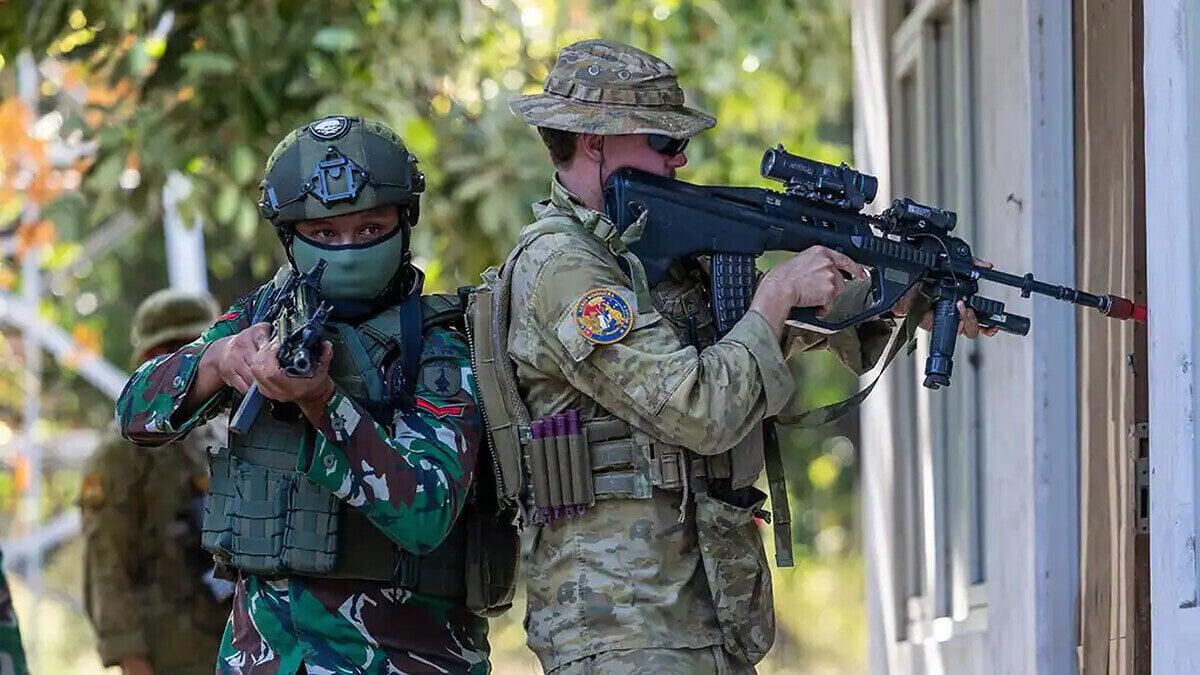
Australia, Indonesia and Papua New Guinea agreed in December 2025 to hold annual defense minister meetings, advancing cooperation on maritime security and disaster response. The partnership could improve surveillance and emergency coordination across the region.
Indonesia is scheduled to host the next gathering. At their first meeting, the delegations identified maritime monitoring, humanitarian assistance, disaster response and aviation safety as priorities, defense analyst Pratondo Ario Seno Sudiro said.
Indonesian Defense Minister Sjafrie Sjamsoeddin announced plans in March 2026 to expand bilateral cooperation with Australia into a three-country framework with Papua New Guinea. The plans focus on defense professionalism and could include a defense training facility in Indonesia’s North Maluku province.
The arrangement is intended to complement existing ties rather than create a formal bloc. Indonesia’s Defense Ministry analyst Pudji Astuti said it aims to connect existing bilateral agreements while respecting each country’s sovereignty.
Those agreements include the Pukpuk Treaty between Australia and Papua New Guinea and the Jakarta Treaty between Indonesia and Australia, Astuti said.
The Arafura and Coral seas are important for border surveillance, maritime safety and protecting marine resources, said Dr. Marcellus Hakeng Jayawibawa of Indonesia’s Lemhannas Strategic Center. Faster information sharing could help authorities spot suspicious patterns, including vessels switching off their identification transponders, he said.
Sudiro proposed combining coastal radar, aerial and satellite surveillance, patrols and law enforcement data into a shared picture. Civilian agencies could also take part.
Indonesia’s Maritime Security Agency and the Australian Border Force already cooperate on training, information exchange and efforts against illegal fishing and smuggling, Astuti said.
For disaster response, Jayawibawa suggested sharing weather data and tsunami warnings, establishing emergency stockpiles and holding joint exercises. Sudiro said eastern Indonesia could become a regional response hub, supported by Australian airlift and logistics capabilities and Papua New Guinea’s geographic expertise.
Sudiro also said closer cooperation among civil aviation authorities, defense forces and search and rescue agencies could improve maritime surveillance and crisis response. The region has vast airspace and limited infrastructure in remote areas.
Analysts also proposed working groups, regular exercises, liaison officer exchanges and joint procedures for incidents across borders.
 Take the quizWhat Kind of Holiday Spender Are You? Take the Black Friday QuizStart →
- 1U.S. Emergency Alert Test Nov. 17 Is Not a Power Outage

- 2Gold Silver Price November: Futures Rise Near Yearly Lows

- 3Michael Clarke Says Sandpapergate Scars Drew Steve Smith to New York

- 42027 NFL Mock Draft Puts Ohio State’s Jeremiah Smith at No. 1

- 5GTA 6 New Zealand Time Trick Is Not Guaranteed to Work

 Lifestyle · Food & Health4 Reasons to Eat Oatmeal, According to Nutrition Experts
 Lifestyle7 Signs Your Social Battery Is Running Low (and Why You Keep Cancelling Plans)
 Lifestyle · Food & HealthThanksgiving Food Safety: How Long Leftovers Last and the Safe Turkey Temperature
 Lifestyle7 Quiet Habits of Emotionally Intelligent People, According to Psychologists