Rupee Rises Past 93 per Dollar as Foreign Investors Buy Stocks
The Indian rupee closed at 92.67 per dollar as foreign investors poured money into Indian shares and oil prices fell. Bankers said overseas hedge funds also unwound bets against the currency, adding to its gains after months of pressure.
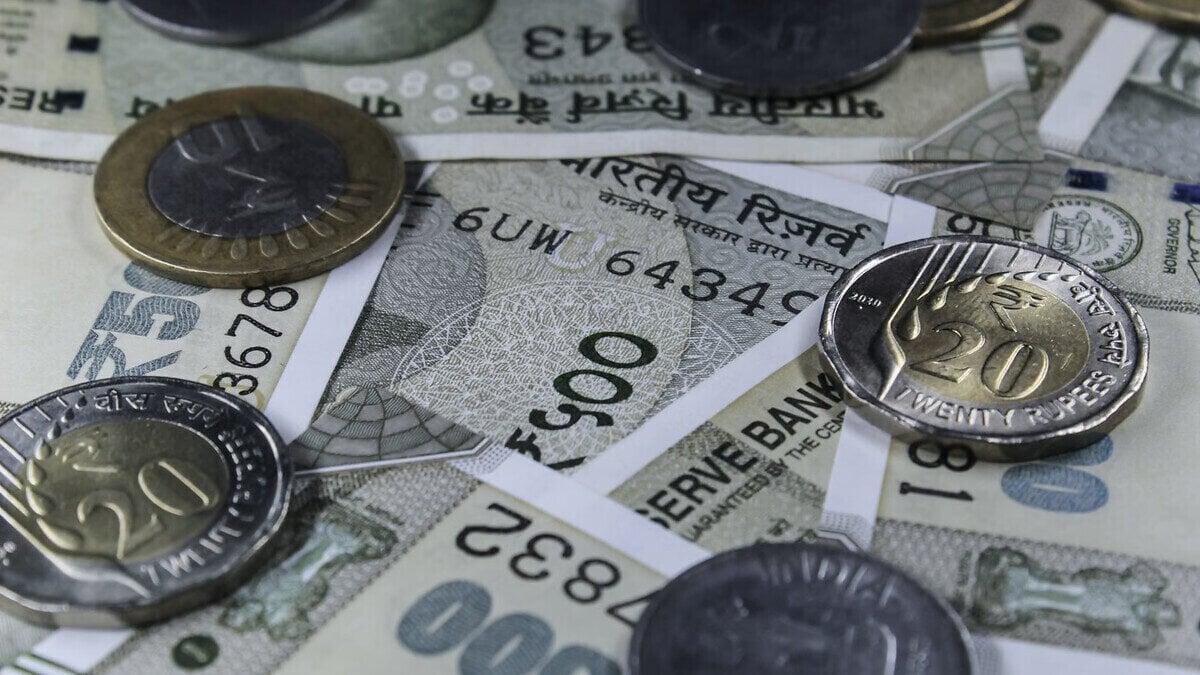
The Indian rupee climbed past 93 per US dollar for the first time since April as foreign investors bought Indian stocks and oil prices fell. The currency closed the week at 92.67 after its strongest session since October 12.
Foreign investors have put $12 billion into Indian shares so far in November, the largest monthly inflow on record. That follows more than $60 billion in selling from September 2024 to October 2026.
The rupee had struggled for much of 2026 and was near a record low of 97 last month. Its recovery cut its loss for the year to about 3%, from nearly 8% at its weakest point in May.
Indian stocks gained as a global sell-off in shares linked to artificial intelligence worsened. Asian shares recorded their worst week since 2020, while India's benchmark Nifty 50 posted a fourth consecutive weekly gain.
Edward Evans, a portfolio manager at Ashmore Group, said more balanced investor positioning and lower oil prices could benefit Indian stocks through a reversal in investment flows.
The inflows have increased the supply of dollars, supporting the rupee. Measures by the Reserve Bank of India have also curbed demand for dollars.
Earlier this year, policymakers restricted speculative trades, encouraged capital inflows from overseas Indians and shifted crude oil importers' dollar demand out of the spot market. The spot market is where currencies are exchanged for near-immediate delivery.
Reserve Bank of India chief Sanjay Malhotra had also indicated that tighter monetary policy could support the currency when it was near record lows last month.
Bankers said investors unwound bets that the rupee would weaken, with much of that trading taking place offshore. Four bankers said overseas hedge funds led the reversal.
The buying lifted the rupee to a rare premium in the non-deliverable forward market, where traders make currency bets that settle without exchanging the underlying currencies. An options-market gauge also showed weaker demand for bets on a falling rupee relative to bets on a stronger one.
Dhiraj Nim, an economist and foreign exchange strategist at ANZ, said the central bank was allowing the rupee to appreciate rather than buying reserves to establish a floor. He said the approach could change expectations among exporters and offshore traders.
Demand for forward dollars, typically from importers, has remained elevated throughout the year. A foreign bank's currency salesperson said reduced speculative dollar demand from companies and the unwinding of offshore bets were helping the rupee.
 Take the quizWhat Kind of Holiday Spender Are You? Take the Black Friday QuizStart →





 Lifestyle · Food & HealthNormal Blood Pressure Chart by Age: Healthy Ranges Explained
 Lifestyle · Food & HealthWhat Is Raynaud’s Syndrome? Why Fingers Turn White in the Cold
 Lifestyle · Food & Health4 Ways Walking After Meals Helps Your Body, Doctors Say
 Lifestyle · Food & Health4 Reasons to Eat Oatmeal, According to Nutrition Experts