Australia’s Economy Faces Rising Recession Risk as Joblessness Hits 4.9%
Australia’s unemployment rate has risen to 4.9%, its highest since 2021, as company failures and layoffs add to concerns about a recession. An economic forecast puts the risk at 40%, while expecting the Reserve Bank of Australia to hold interest rates in December.
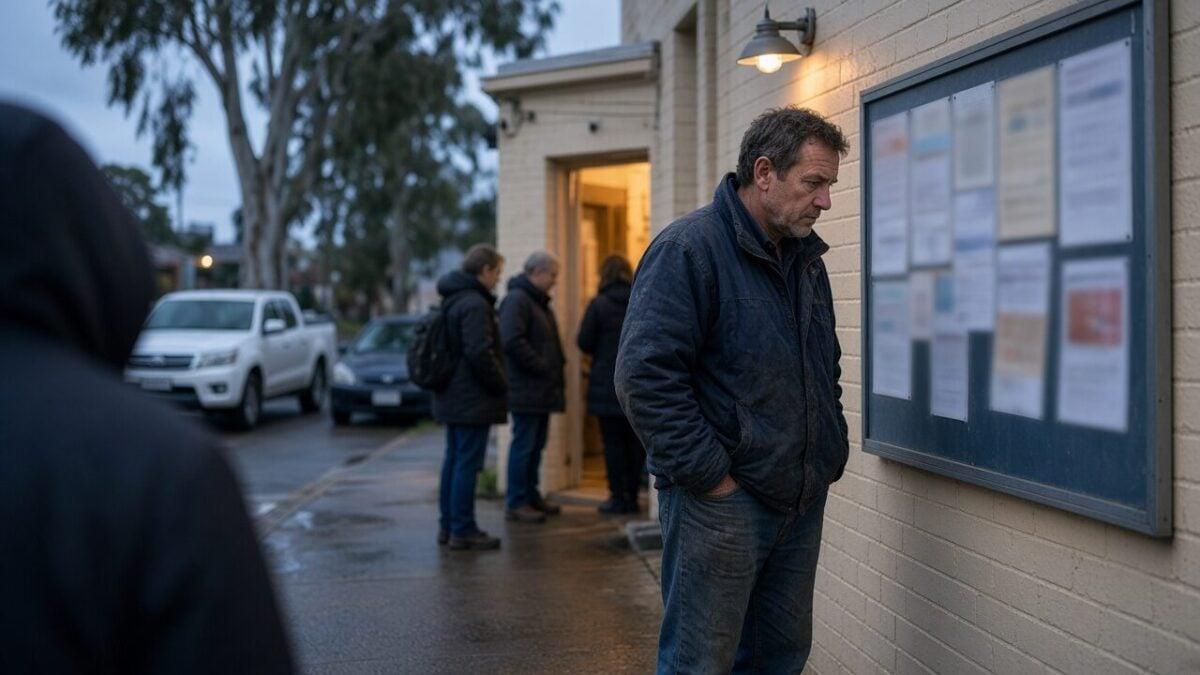
Australia’s unemployment rate has climbed to 4.9%, its highest since 2021, as layoffs and company failures fuel concerns that the economy could stall. One economic forecast puts the risk of recession at 40%, though it does not expect one as its main scenario.
The weaker jobs market has also changed expectations for interest rates. The forecast sees the Reserve Bank of Australia holding rates at its December meeting, with a cut possible around August next year.
Job losses raise recession concerns
General Pants is among the companies announcing job cuts. Trading updates from numerous Australian businesses have also weakened over the past month or so.
Several measures of economic activity have fallen rapidly, adding to the risk of recession, the forecast says. It points to high interest rates, fuel prices and weak confidence as factors slowing the economy.
The forecast also identifies risks for indebted households and home prices. Rising unemployment could slow wage growth and demand while increasing mortgage arrears, it says.
Some economists have pointed to the Sahm rule as a warning. The measure signals a recession when the three-month average unemployment rate rises at least 0.5% above its lowest point in the past year.
The rule has given false signals in Australia before, including in 2001, 2009 and 2013. Interest rate cuts helped counter those earlier warnings, according to the forecast, though inflation concerns could delay cuts this time.
The forecast still expects business investment in artificial intelligence data centers and global growth to support the economy and Australian exports.
Markets shift toward rate cuts
Money market expectations have swung from a possible rate increase above 5% to fully pricing in a cut by August next year. Such expectations can move quickly.
The central bank is likely to wait for clear evidence of a broad-based fall in inflation before cutting rates, the forecast says. It had previously expected cuts to begin around November next year.
Australian shares fell around 5.4% over the past week, returning to around their September low. Resource, information technology, consumer discretionary and financial stocks led the decline.
The Australian dollar also fell back to levels seen late last year as metal prices dropped and expectations for rate cuts increased.
Federal Treasurer Jim Chalmers has reiterated that the mid-year budget update will include “a substantial saving package”.
 Take the quizWhat Kind of Holiday Spender Are You? Take the Black Friday QuizStart →





 Markets · FintechHow to Calculate Compound Interest: Formula, Examples and the Rule of 72
 Lifestyle · Food & HealthNormal Blood Pressure Chart by Age: Healthy Ranges Explained
 Lifestyle · Food & HealthWhat Is Raynaud’s Syndrome? Why Fingers Turn White in the Cold
 Lifestyle · Food & Health4 Ways Walking After Meals Helps Your Body, Doctors Say