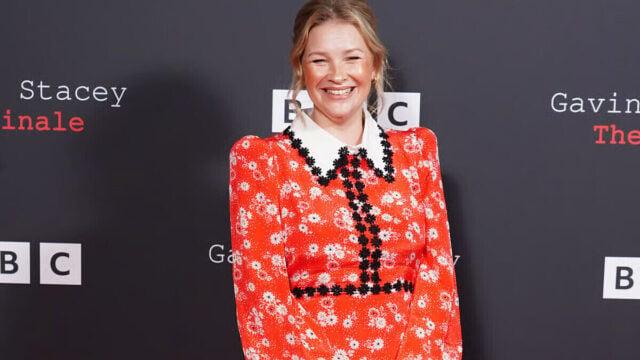
Joyce Harper Warns Women Face a Menopause Gold Rush
A review co-authored by reproductive scientist Joyce Harper found wide variations in menopause supplements and limited evidence for their effectiveness. The warning comes as companies sell products ranging from herbal remedies to cooling pillows, while some women say their health concerns are dismissed.

Joyce Harper, a reproductive science professor at UCL, has warned that women risk exploitation in a menopause product “gold rush.” Harper said she does not blame women for being drawn in, after a review she co-authored found limited evidence for many supplements.
The review, published in the journal Climacteric, examined more than 200 menopause supplements. It found wide variations in their ingredients and prices.
The findings come as companies market products to women experiencing symptoms around menopause, including hot flashes and brain fog. Consultants PwC project the global perimenopause market could be worth up to $25 billion by 2030.
Supplements Vary in Price and Ingredients
The review concluded that supplements were being sold to menopausal women “despite the limited empirical evidence currently available” that they worked.
Nearly half the supplements reviewed did not contain vitamin D. Medical experts recommend vitamin D and calcium for menopause-related bone health.
Harper said companies see a period of vulnerability in midlife, when women may face menopause symptoms alongside other changes. She said even her research experience does not make her immune to online advertising.
“I don’t blame any woman for being sucked in,” Harper said.
Consumer magazine Which? has warned that some products carry a higher price when marketed specifically for menopause. It identified moisturizers and vitamins among products that can attract the premium.
Women Seek Help Beyond Health Care
At Pause Live, a women’s health and menopause event in London, stalls offered herbal supplements, cooling lotions and pelvic-floor trainers. One seller offered magnets that clip to underwear and said they had helped her hot flashes.
Ali Stripling, a workplace coach and motivational speaker, attended after entering early medical menopause following treatment for anal cancer. She said she was interested in pelvic health, sexual wellness and breaking stigma, but saw products marketed to exploit menopause concerns.
A survey of Mumsnet users found that 68% did not think the National Health Service takes women’s health generally seriously. Another 64% said they had been told their symptoms were normal or in their heads.
Justine Roberts, Mumsnet’s chief executive, said a lack of perimenopause training for doctors was driving women to seek help elsewhere. “Social media is filling the gap,” she said.
 Take the quizWhat Kind of Holiday Spender Are You? Take the Black Friday QuizStart →





 Markets · FintechHow to Calculate Compound Interest: Formula, Examples and the Rule of 72
 Lifestyle · Food & HealthNormal Blood Pressure Chart by Age: Healthy Ranges Explained
 Lifestyle · Food & HealthWhat Is Raynaud’s Syndrome? Why Fingers Turn White in the Cold
 Lifestyle · Food & Health4 Ways Walking After Meals Helps Your Body, Doctors Say