Sydney Finds Second Fire Ant Nest, Possibly a Year Old
A red imported fire ant nest at Auburn in Sydney's west, more than six kilometres from the first detection, may have existed for about 12 months. The NSW government said the nest was destroyed over the weekend and a source investigation has begun.
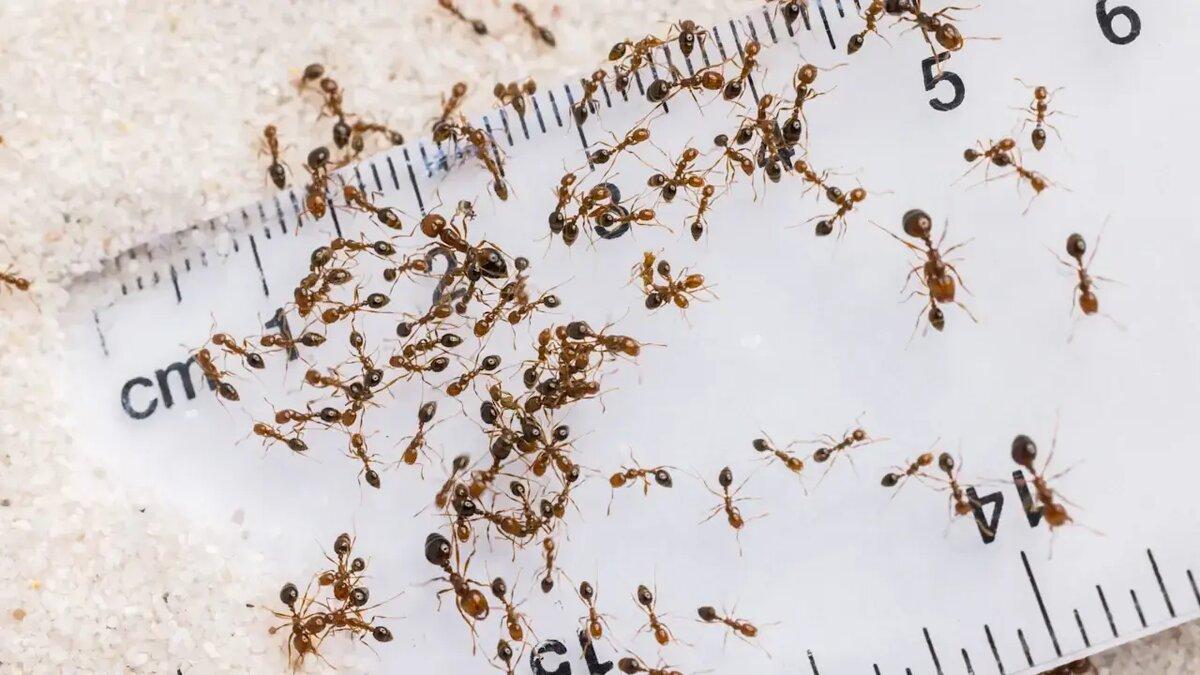
A second fire ants nest has been found in Sydney, at Auburn in the city's west, and experts say it may have been there for about 12 months. The New South Wales government said the nest of red imported fire ants was destroyed over the weekend.
It sits more than six kilometres from the site where the invasive insects were first detected in Sydney. That puts it outside the biosecurity control zone declared at Enfield after ants were found at the Intermodal Logistics Centre in September.
Samples were collected as an investigation begins into the source. Officials are examining how the ants reached Auburn and whether they came from a different infestation than those at Enfield.
NSW Agriculture Minister Tara Moriarty thanked a member of the public who reported the nest. “Human movement of materials is the primary way fire ants spread, which is why we’re asking everyone to stay alert and report anything suspicious,” she said on Monday.
Biosecurity staff have started surveillance at Auburn. Detection dogs are planned to be on site as soon as possible, and a biosecurity control order is being developed.
The Enfield order covers surveillance within 500 metres of the discovered infestation and targeted surveillance in a two-kilometre radius. Within that zone, there have been 729 reported cases and detection dogs have inspected 120 sites.
Calls for funding
Invasive Species Council chief executive Jack Gough said the find showed the importance of public reporting. “If this nest’s been there [around] 12 months, it suggests there’s a good chance it’s spread into the surrounding area,” he said.
Gough said the nest was in an industrial cul-de-sac home to several importing businesses. That suggested it was most likely a separate import of fire ants from overseas.
He called for a $1.15 billion commitment to fight fire ants before the current national eradication program's funding expires in June. “This highlights just how serious this is and how important it is that all governments commit to that funding,” he said.
Costs and risks
Giovanni Ramón-Cabrera, entomology collection manager at the Australian Museum, called the second nest a concerning development. He said nationwide spread could cost Australian households over $1 billion a year in medical, veterinary and pest management costs. Broader costs, including to agriculture and the environment, could exceed $22 billion by the 2040s, he said.
Dome-shaped mounds are the best identifier, Ramón-Cabrera said, because the insects can look like other species. Mounds can reach 40 centimetres and house colonies of up to 200,000.
Fire ants are native to South America. Their bites cause a burning sensation lasting up to an hour and can trigger anaphylactic shock. They were first detected in Queensland in 2001, and the federal government counts them among the worst invasive species to reach Australia.
Earlier NSW detections include South Murwillumbah in November 2023, Wardell in January 2024 and Tweed Heads South in July 2025. Suspected sightings can be reported on 1800 680 244 or through an online form.
 Take the quizWhat Kind of Holiday Spender Are You? Take the Black Friday QuizStart →




 Markets · FintechHow to Calculate Compound Interest: Formula, Examples and the Rule of 72
 Lifestyle · Food & HealthNormal Blood Pressure Chart by Age: Healthy Ranges Explained
 Lifestyle · Food & HealthWhat Is Raynaud’s Syndrome? Why Fingers Turn White in the Cold
 Lifestyle · Food & Health4 Ways Walking After Meals Helps Your Body, Doctors Say