Democrats Win Redrawn Districts Meant to Favor Republicans
Democratic victories in redrawn congressional districts have changed the debate over partisan mapmaking. Political scientists say Republicans may hesitate to pursue further changes, while Democrats feel less pressure to respond. In Texas, Democrats also gained control of the state House and the governorship.
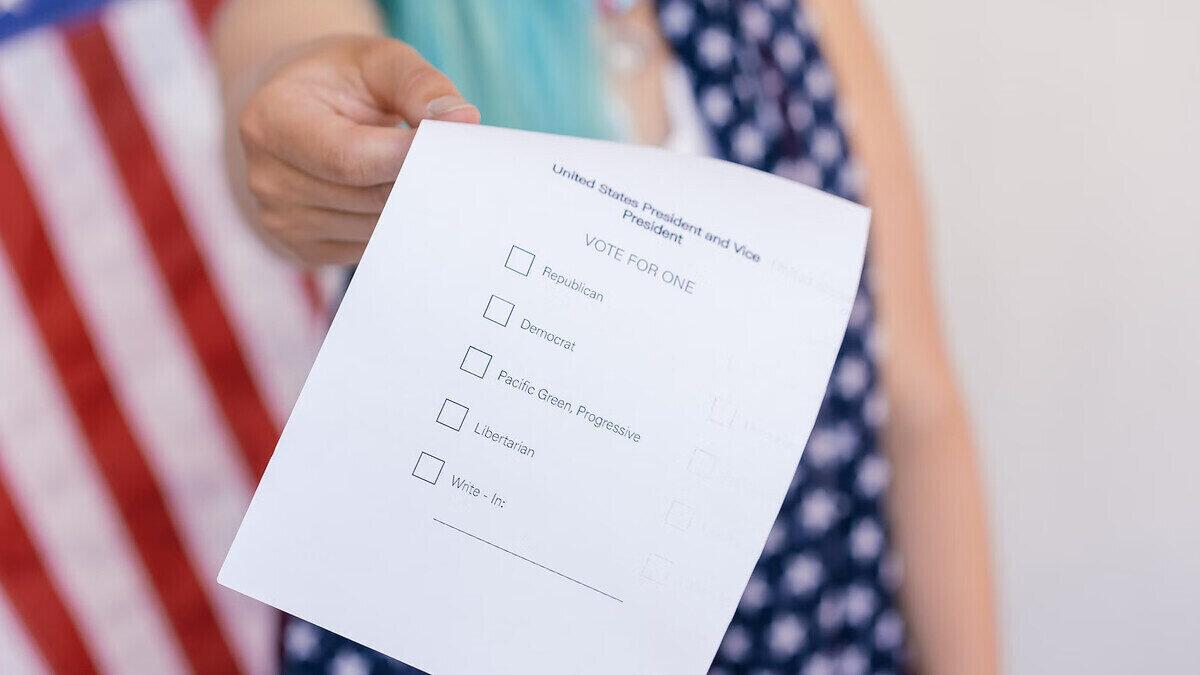
Democrats won multiple congressional districts redrawn to favor Republicans in the 2026 midterms, prompting political scientists to question whether either party will pursue another round of map changes.
The outcome has implications for control of the US House. President Donald Trump had urged Republicans to redraw districts before the election as his party sought to hold its narrow majority.
Several Republican-led states changed their maps. Democratic leaders in other states responded with redistricting efforts of their own, with varying success.
Democrats win in redrawn districts
Democratic candidates won multiple redrawn districts in Texas, North Carolina, Ohio, Alabama and Florida. Political experts largely attributed those victories to a difficult political climate for Republicans and Trump's historically low approval rating.
Costas Panagopoulos, a political science professor at Northeastern University, said the results could make Republicans more reluctant to redraw maps between the regular redistricting cycles.
He said the election showed that even heavily gerrymandered districts offer no guarantee of victory. Gerrymandering is the drawing of electoral boundaries to benefit a party.
Mark Jones, a political science professor at Rice University, said Republicans had already done much of what they could. Reduced Republican power in state governments could also make further changes harder to pass, he said.
In Texas, Democrats gained control of the state House and the governorship.
Democrats face less pressure
Alvin Tillery, director of Northwestern University's Center for the Study of Democratic Governance and a Democratic pollster and consultant, described recent Democratic redistricting efforts as “defensive measures.”
Jones said Democrats' election victories had reduced their urgency to redraw maps. He said some unfinished efforts could continue, including in Virginia.
Virginia voters passed a redistricting ballot measure in April, but the state Supreme Court prevented the new maps from taking effect. Jones said Democrats could try again.
“I don't think we're going to see the gerrymander armed race in 2027 that we saw in 2025,” Jones said. Any further efforts would likely be “at the margins,” he said.
Next census will trigger maps
Congressional maps are typically redrawn after each decade's US census to account for population and demographic changes. The next redistricting cycle will follow the 2030 census.
Panagopoulos said both parties pursue partisan advantages during regular redistricting cycles. He said Democrats' gains in state legislatures and governorships would leave them better positioned to draw favorable maps.
He said the partisan makeup of states and their legislatures at the time would be important after the 2030 census.
 Take the quizWhat Kind of Holiday Spender Are You? Take the Black Friday QuizStart →
- 1Qualcomm stock climbs to $168.66 as chipmaker sets $500 target for CEO

- 2Apple shares edge up to $355.58 as AI selloff spares iPhone maker

- 3Lloyds shares rise 2.76% to 96.18p in biggest gain since Nov. 4

- 4George Pickens Faces $32.8 Million Cowboys Tag Decision

- 5Tesco shares edge higher as Barclays lifts target to 600p

 Lifestyle · Food & HealthNormal Blood Sugar Levels: A1C, Fasting and After-Meal Ranges Explained
 Lifestyle · Food & HealthNorovirus Symptoms: How Long It Lasts and When You Stop Being Contagious
 Lifestyle · Food & HealthCold vs Flu vs RSV: How to Tell the Difference by Symptoms, Speed and Duration
 LifestyleWhy Do Long Lines Make People Curious? 5 Reasons We Join the Crowd