EPA finds no elevated lead levels in drinking water following Iowa explosion
Initial tests found no increase in lead in water sources supplying drinking water after the Army detonated an aging explosives stockpile in Iowa, the Environmental Protection Agency said. Further results are pending as residents and officials question how the operation was communicated.
Initial tests found no increase in lead in water sources supplying drinking water after the Army detonated an aging explosives stockpile in southeastern Iowa, the U.S. Environmental Protection Agency said. More results are pending after an operation that forced nearby residents to evacuate.
Military explosives experts detonated 68 drums containing roughly five tons of lead azide at the Iowa Army Ammunition Plant in Middletown. The Army said the degrading stockpile could have exploded uncontrollably as the weather grew colder.
Residents within five miles of the plant were ordered to evacuate. Many others were told to stay inside amid concerns about a toxic plume.
Initial testing also found no detonation-associated lead in 26 samples from water sources that do not supply drinking water, including lakes and ponds, the Environmental Protection Agency, or EPA, said.
Lead is a toxic heavy metal that does not break down over time. It is especially dangerous to children and pregnant people, and experts say there is no safe level of exposure.
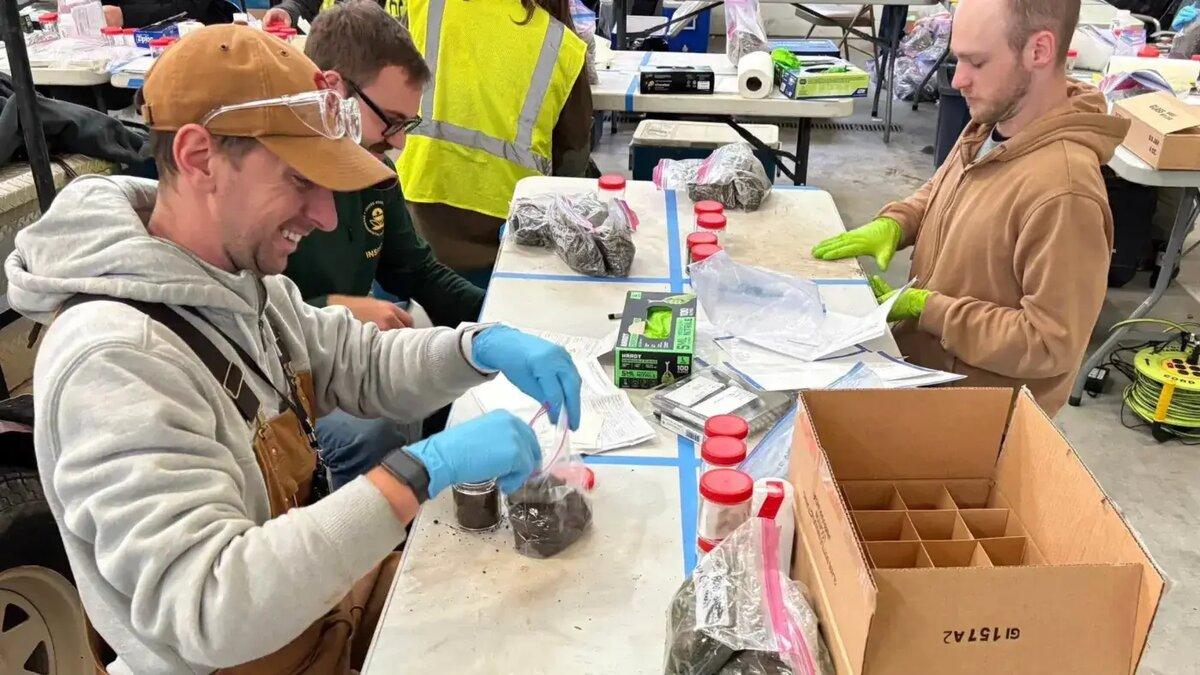
The EPA said a team of 300 personnel and contractors collected samples in the days after the blast. The agency also monitored airborne lead for 30 consecutive hours.
More than 1,500 air, water, soil and dust samples were collected before the detonation. Hundreds more were taken afterward, including samples from homes, parks and drinking water.
The EPA said laboratory results for over 3,200 air, soil, dust and water samples were returning for validation. The agency said it would provide updates as more results become available.
Army officials said containment measures had “exceeded expectations.” Those measures included layers of containment and downward-facing explosives designed to drive the blast into the ground.
Residents and some elected officials have criticized the Army’s communication about the operation. Iowa Democratic Gov.-elect Rob Sand has called for an investigation into why the stockpile became unstable.
Wally Taylor, legal chair for the Sierra Club Iowa Chapter, said it was “too early to make any firm conclusions.” He said he was waiting for results from the University of Iowa and other research groups.
Sue Dyer, a corn and bean farmer about 18 miles southwest of the blast site, had her farmland sampled before the detonation. She plans to take more samples and is waiting for independent results alongside the EPA’s findings.
“I’m very hopeful that everything’s fine, but I’m also a realist,” Dyer said.
 Take the quizWhat Kind of Holiday Spender Are You? Take the Black Friday QuizStart →
- 1Sandisk shares jump nearly 16% to $85.36 after Kioxia-Nvidia test

- 2Magnitude 5 earthquake hits Los Angeles area

- 3Tyreek Hill Still Not Cleared to Play After Knee Injury

- 4Sainsbury’s wrongly bans woman after facial recognition alert

- 5Full Retirement Age Chart: Social Security Ages by Birth Year Explained

 Business · EnergyCarbon Capture and Storage Technologies: How the Three Main Methods Work
 Lifestyle5 Ways to Help Your Dog Feel Comfortable When Guests Visit
 World · United StatesHow to Apply for a Passport Online: What First-Time US Applicants Need to Know
 Markets · FintechU.S. Bank Cash Flow Manager: How Its Business Line of Credit Works