EU budget summit ends abruptly in Brussels
European Union leaders cut short budget talks in Brussels after failing to agree on spending for 2028-2034. Germany and six other countries want a smaller budget, while France and Italy lead a group seeking more funding. Leaders plan to continue discussions in December.
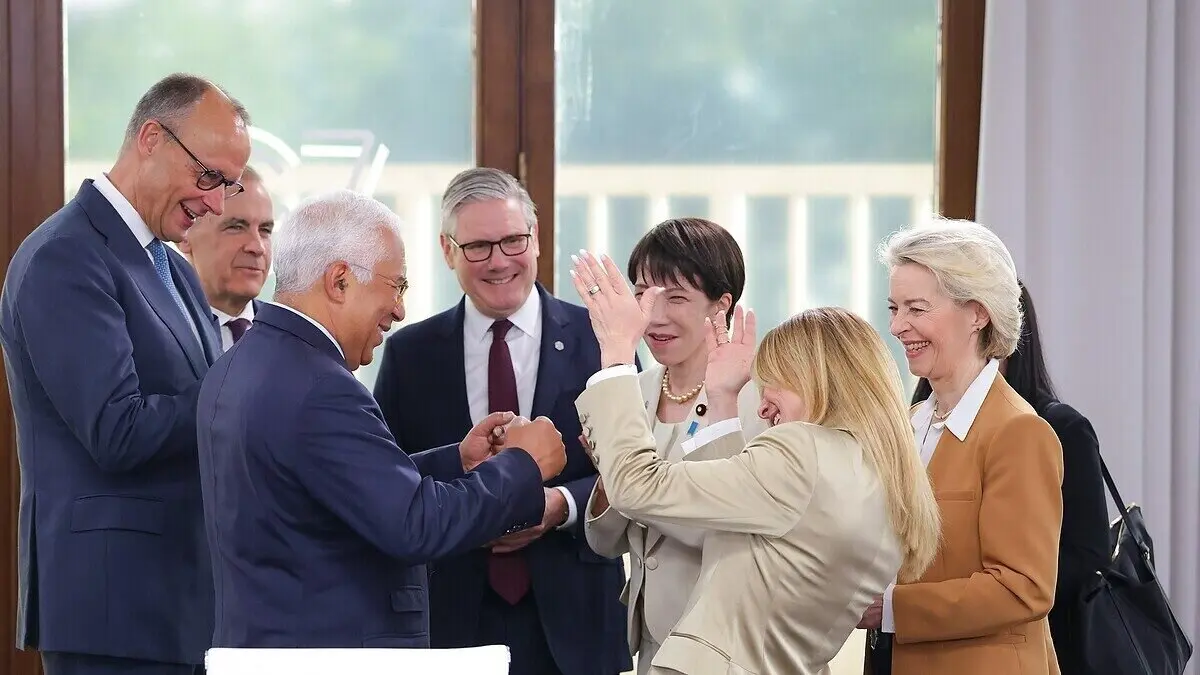
European Union leaders ended budget talks in Brussels without a deal and canceled a planned second day of discussions, German Chancellor Friedrich Merz said. The dispute concerns the bloc's spending priorities for 2028-2034, including defense, agriculture and aid for poorer regions.
Merz said more preparation was needed before leaders could reach an agreement. European Council President António Costa convened the summit to narrow differences between wealthier contributors and countries concerned about losing subsidies.
Denmark, Sweden, Belgium and Austria staged a walkout during smaller group meetings. The four countries want a reduced budget and said the atmosphere was not constructive.
Leaders are due to continue discussions at their next Brussels summit in December. Costa said the meeting was “a necessary step in the process” of bringing positions closer together.
Countries split over spending cuts
Germany, Austria, the Netherlands, Denmark, Finland, Sweden and Belgium want cuts to the proposed budget. All seven pay more into the EU budget than they receive.
France and Italy lead 17 member states calling for a larger budget. They support funding that helps poorer EU regions and countries.
Italian Prime Minister Giorgia Meloni warned against cuts to regional payments. “We are not prepared to sign off on a budget under which we would have to give more to receive less,” she said.
Costa's compromise proposal totaled €1.78 trillion ($1.95 trillion) over seven years. That was about €204 billion below the European Commission's initial proposal, but still above the current 2021-2027 budget.
Merz said “hundreds of billions” still needed to be cut. Costa told leaders he planned to remove between €220 billion and €230 billion from the next proposal.
The current proposal would reduce the share for agriculture, fisheries and regional funding from 59.1% to 42.4%. The share for competitiveness, security and defense would rise from 17.7% to 27.7%.
Ukraine loan and tax divide leaders
Germany has said it will approve the budget only if other EU countries back an additional €45 billion ($49 billion) loan for Ukraine through 2027. Hungary, Czechia, Bulgaria and Slovakia oppose the proposal.
A proposed EU-wide digital tax has also drawn objections. The plan would charge 3% on revenue from online advertising, online marketplaces and the monetization of user data.
The tax is estimated to bring in €5 billion per year for the EU budget. Irish Prime Minister Micheal Martin said it would send “all the wrong messages.”
French President Emmanuel Macron urged leaders to reach a compromise by the end of 2026. Meloni rejected a fixed deadline, saying she would sign only an agreement she considered fair for Italy.
 Take the quizWhat Kind of Holiday Spender Are You? Take the Black Friday QuizStart →
- 1Sandisk shares jump nearly 16% to $85.36 after Kioxia-Nvidia test

- 2Magnitude 5 earthquake hits Los Angeles area

- 3Sainsbury’s wrongly bans woman after facial recognition alert
- 4Tesla shares jump 4.86% to $398.60 after German robotics filing

- 5Nasdaq Composite rises nearly 2% as tech rebound eases AI fears

 World · United StatesHow to Apply for a Passport Online: What First-Time US Applicants Need to Know
 Markets · FintechU.S. Bank Cash Flow Manager: How Its Business Line of Credit Works
 Business · Macro & PolicyEmergency Fund Calculator: How Much Should You Save?
 LifestylePeople Who Type Long Texts and Delete Them Often Share These 5 Traits, Psychologists Say