Shane Beatty Wins $246,300 as The Traitors Finalist
Shane Beatty won the entire $246,300 prize on The Traitors: New Blood after deceiving his fellow finalists. The ironworker plans to set aside at least $100,000 for taxes, pay for his wedding, help his mother with debt and save what remains.
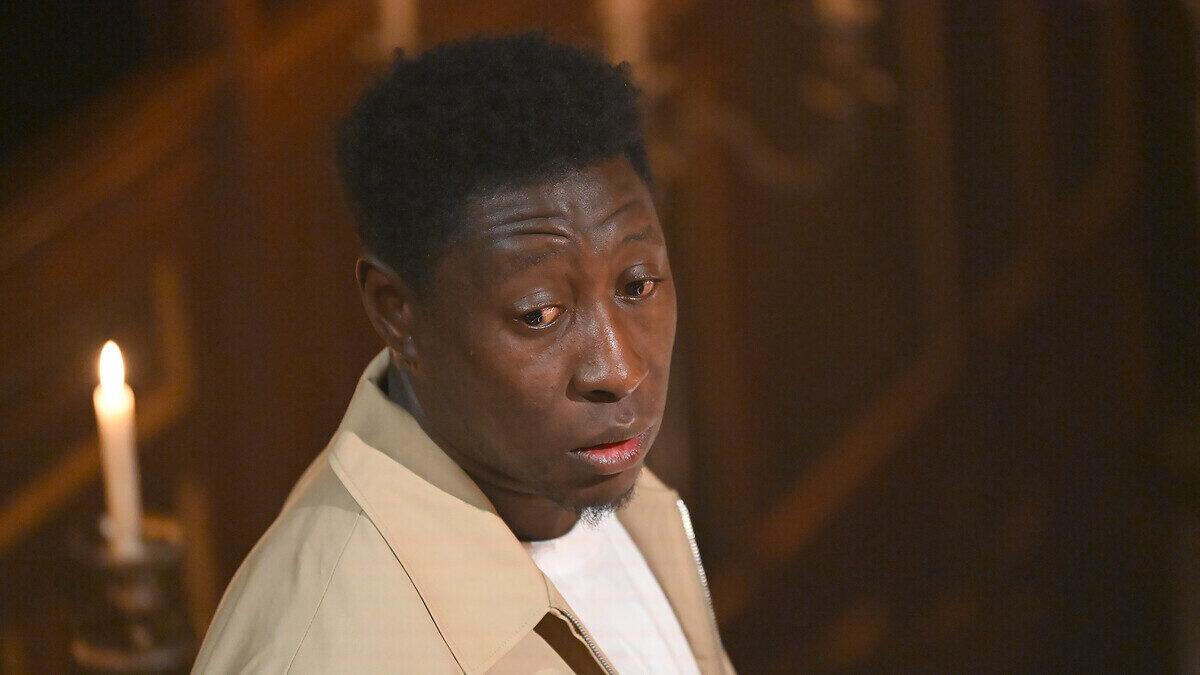
Shane Beatty won the entire $246,300 prize on NBC's The Traitors: New Blood after deceiving his fellow finalists. The ironworker plans to reserve at least $100,000 for taxes before using the money for his wedding, family debts and savings.
Beatty said revealing himself as a Traitor was harder than he expected because he had formed relationships with the other contestants.
“The second I had to reveal that I was a Traitor, everything hit me at once,” he said. “I had built genuine relationships with these people, and knowing that some of them were blindsided by my decision was difficult.”
Beatty, 32, is an ironworker from Staten Island, New York, who lives in New Jersey. He said he intends to keep working as a Local 580 ironworker.
“I love my career, and winning this money doesn't change that,” he said.
Beatty plans for wedding and debts
Beatty plans to pay for a wedding that he and his fiancée had previously struggled to afford. He also wants to help his mother pay down debt and clear his own debts before saving the rest.
He said the prize would ease financial pressure and help him feel more comfortable. He also wants the savings to help him avoid falling behind on bills.
Tax estimate depends on income
Beatty plans to put at least $100,000 in a separate bank account for taxes. Riley Adams, a certified public accountant and founder of Sequoia Ridge CPAs, said preparing for the bill was a smart step.
Game show prizes are generally taxed as ordinary income. The winnings are added to a person's other taxable income for the year, potentially pushing the winner into higher tax brackets.
Beatty must account for federal and New Jersey state income taxes. He has not disclosed his income.
Adams estimated the tax effect under a scenario in which Beatty earns $100,000 from his New York job in 2026 and receives the prize that year. The calculation also assumes he files as a single taxpayer with no dependents and takes the standard deduction.
Under those assumptions, the winnings would move Beatty from the 22% federal income tax bracket into the 35% bracket. Adams estimated that 35% of the prize would go to federal and state income taxes.
Beatty's actual bill will depend on his income, deductions and other financial circumstances. Jim Guarino, a certified public accountant and managing director at Baker Newman Noyes in Woburn, Massachusetts, arrived at a similar estimate.
 Take the quizWhat Kind of Holiday Spender Are You? Take the Black Friday QuizStart →
- 1Sandisk shares jump nearly 16% to $85.36 after Kioxia-Nvidia test

- 2Magnitude 5 earthquake hits Los Angeles area

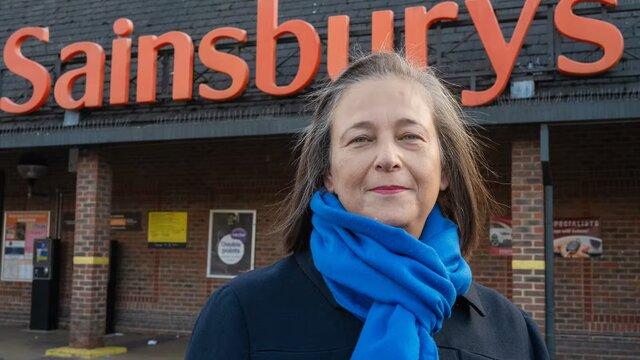
- 3Sainsbury’s wrongly bans woman after facial recognition alert
- 4Tesla shares jump 4.86% to $398.60 after German robotics filing

- 5Nasdaq Composite rises nearly 2% as tech rebound eases AI fears

 Markets · FintechU.S. Bank Cash Flow Manager: How Its Business Line of Credit Works
 Business · Macro & PolicyEmergency Fund Calculator: How Much Should You Save?
 LifestylePeople Who Type Long Texts and Delete Them Often Share These 5 Traits, Psychologists Say
 Business · Macro & PolicyFull Retirement Age Chart: Social Security Ages by Birth Year Explained