Canada: Supreme Court largely upholds Quebec secularism bill
Canada’s Supreme Court has largely upheld Quebec’s Bill 21, which restricts religious symbols worn by some public workers. The court also struck down a requirement that elected provincial lawmakers perform their duties with their faces uncovered. The decision drew criticism from Muslim advocates and a mixed response from Quebec’s premier.
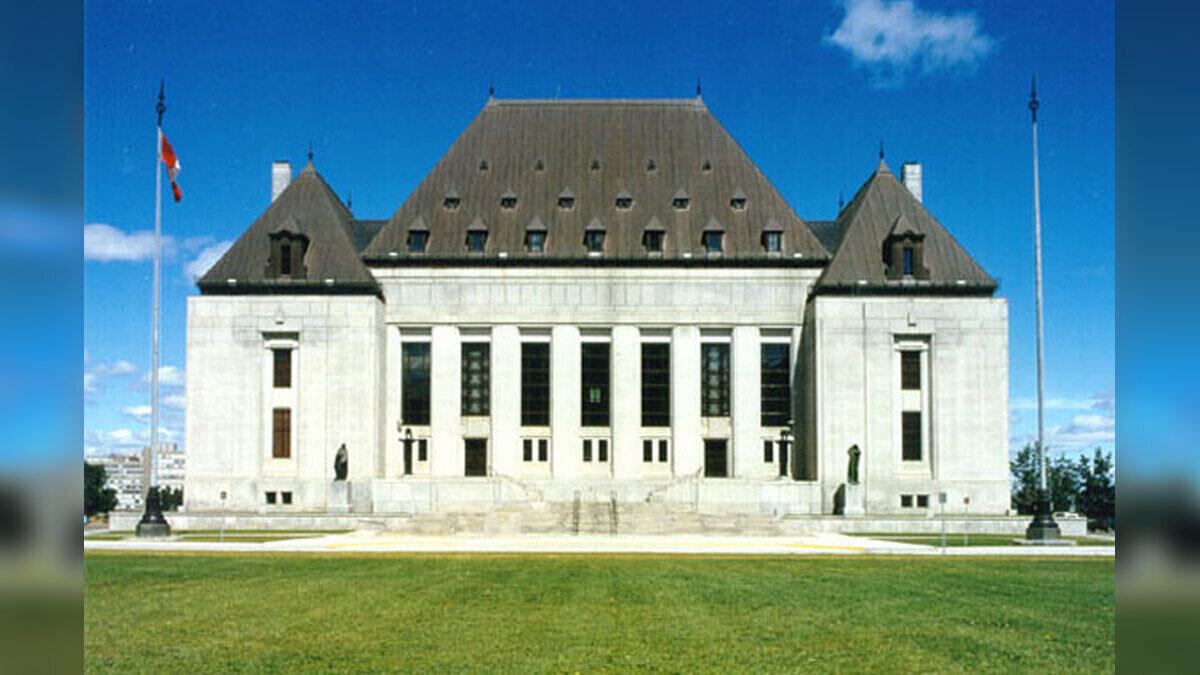
Canada’s Supreme Court has largely upheld Quebec’s Bill 21, preserving restrictions on religious symbols worn by public school teachers, police officers and other public workers. The court also struck down a requirement that elected provincial lawmakers perform their duties with their faces uncovered.
The ruling addresses the power of Canadian governments to override certain constitutional rights. Six of seven justices concluded that Quebec had validly used the notwithstanding clause to shield the law from certain challenges.
Quebec passed Bill 21 in 2019, arguing that the restrictions protect the province’s secular identity. The law covers religious symbols including hijabs, turbans, yarmulkes and crosses.
Some employees who already held their positions when the legislation was introduced are exempt, subject to certain conditions. Government lawyers are among the workers who face restrictions.
Court limits rule for lawmakers
The court unanimously found that requiring elected members of Quebec’s National Assembly to perform their duties with uncovered faces violated their democratic rights.
Four of the seven justices also concluded that courts can determine whether legislation infringes constitutional rights even when a government invokes the notwithstanding clause. The court made no such declaration about the protections overridden in this case.
The clause allows Canada’s Parliament and provincial legislatures to override certain constitutional protections for renewable periods of up to five years. Quebec invoked it when passing Bill 21, expecting a challenge based on freedom of religion.
Three justices disagreed with parts of the decision. Justices Andromache Karakatsanis, Michelle O’Bonsawin and Nicholas Kasirer said the law infringes guarantees of religious freedom, freedom of expression and equality.
Premier welcomes secularism ruling
Quebec Premier Paul St-Pierre Plamondon welcomed the decision on secularism but said the ruling also reduced provincial autonomy over the use of the notwithstanding clause.
“It’s a good day for secularism in Quebec, but the rules of the game have just changed without any political discussion with the provinces,” he said.
Prime Minister Mark Carney said his government would study the ruling’s implications. He said legislatures should respect the rights and liberties of all Canadians, including minorities.
Female Muslim, Sikh and Catholic teachers were among those who challenged the law, arguing that it violated their fundamental rights. Civil liberties groups say the restrictions disproportionately affect Muslim women who wear the hijab.
Stephen Brown, chief executive of the National Council of Canadian Muslims, criticized the ruling. “Entire categories of people are now barred from entire sectors of employment, not because of what they have done, but because of who they are,” he said.
 Take the quizWhat Kind of Holiday Spender Are You? Take the Black Friday QuizStart →
- 1Sandisk shares jump nearly 16% to $85.36 after Kioxia-Nvidia test

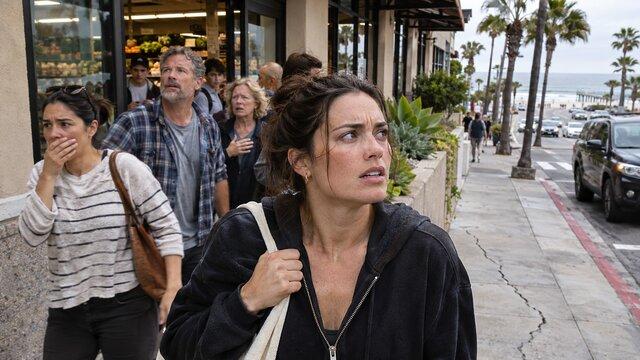
- 2Magnitude 5 earthquake hits Los Angeles area
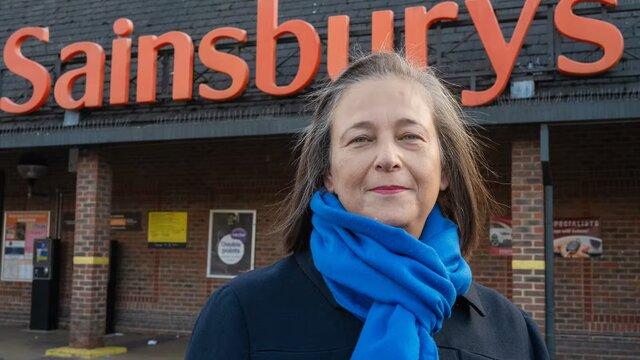
- 3Sainsbury’s wrongly bans woman after facial recognition alert
- 4Tesla shares jump 4.86% to $398.60 after German robotics filing

- 5Nasdaq Composite rises nearly 2% as tech rebound eases AI fears
 Markets · FintechU.S. Bank Cash Flow Manager: How Its Business Line of Credit Works
 Business · Macro & PolicyEmergency Fund Calculator: How Much Should You Save?
 LifestylePeople Who Type Long Texts and Delete Them Often Share These 5 Traits, Psychologists Say
 Business · Macro & PolicyFull Retirement Age Chart: Social Security Ages by Birth Year Explained