Mark Carney Says Canada Could Turn to Chinese Automakers
Canadian Prime Minister Mark Carney said Canada could seek investment from Chinese, European or Japanese automakers if trade talks with the United States fail to preserve an integrated North American auto industry. He said negotiations with Washington remain his priority, ahead of a planned meeting with China’s Xi Jinping in Shenzhen.
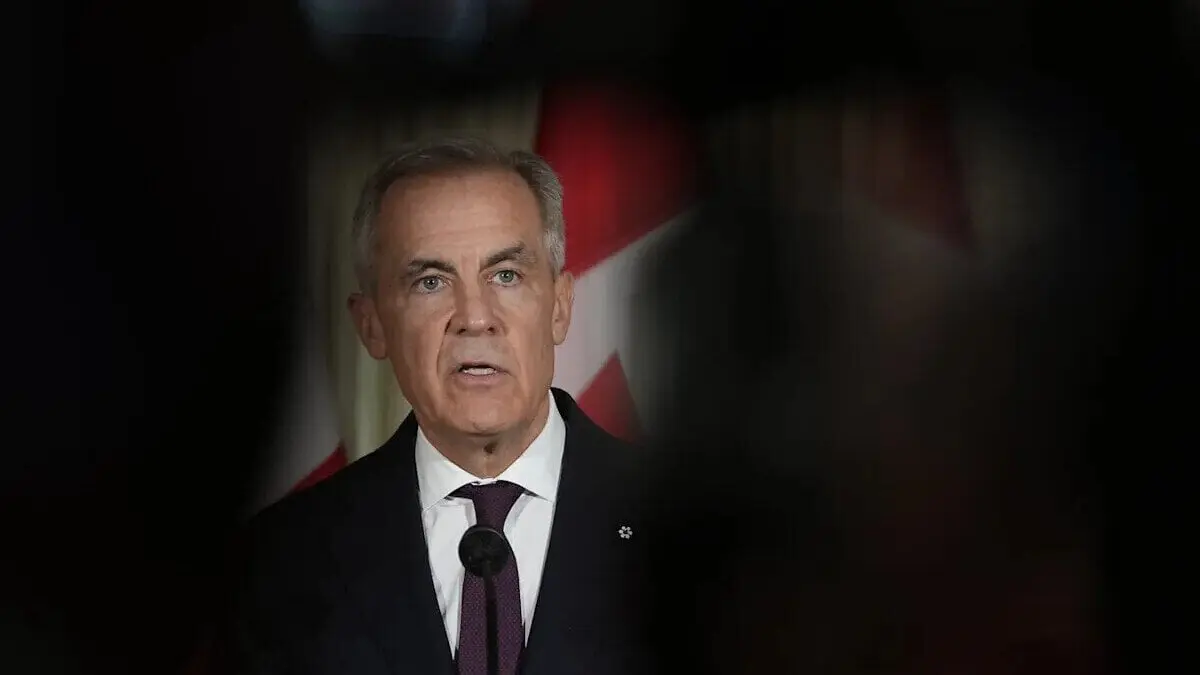
Canadian Prime Minister Mark Carney said Monday in Cambodia that Canada could turn to Chinese automakers if trade talks with the United States fail to preserve an integrated North American auto industry. The carney canada turn chinese option could reshape investment in a sector built around cross-border production.
Carney said negotiations with the United States remained his priority. Their outcome could determine whether Canada pursues alternatives involving European, Chinese or Japanese automakers.
“We have the best auto workers in the world, and we want them fully deployed, full opportunity, in an integrated North American market,” Carney told reporters. He said U.S. trade actions had made that market less integrated.
Carney is expected to discuss auto manufacturing with Chinese leader Xi Jinping at a planned meeting this week in Shenzhen, China. The two leaders reached an agreement in January allowing tens of thousands of Chinese electric vehicles into Canada at reduced tariffs.
Asked whether possible Chinese investment was leverage in talks with Washington, Carney said: “It’s not leverage. But action, reaction.”
He said any investment would need to create substantial manufacturing in Canada, with proper labor standards, production facilities and domestic supply chains that expand over time. Those supply chains would include Canadian critical minerals used in electric vehicles.
“It’s not just about kit cars,” Carney said. “There has to be a manufacturing aspect involved.”
Under the January agreement, Canada lowered its 100% tariff on Chinese electric vehicles to 6.1%, initially allowing up to 49,000 vehicles annually, with the cap set to increase over time. China agreed to lower tariffs on Canadian agricultural products, including canola.
Carney said he expected the agreement to attract Chinese investment in Canada’s auto industry and create jobs. Ontario Premier Doug Ford criticized the deal, warning that Chinese electric vehicles could threaten Canadian jobs and jeopardize access to the U.S. market.
Carney said Saturday in Manila that Canada would not accept a U.S. trade agreement that failed to leave it with a viable auto industry. He also said he had spoken at length with U.S. President Donald Trump and senior officials, and the countries were making progress toward a possible deal, though differences remained.
“Canada is going to move forward either way,” Carney said.
 Take the quizWhat Kind of Holiday Spender Are You? Take the Black Friday QuizStart →
- 1I’m A Celebrity 2026 Line-Up: Rooney Leads 11 Stars Into Jungle

- 2Mavericks Surfers Race to California for Waves Near 50 Feet

- 3NYC Medical Examiner Has Not Determined Cause of Death of Beau Rose Jessup

- 4Mountaineer Finds Ice Age Cave Bear Graveyard in the Dolomites

- 5Rugby League World Cup Final 2026: Kick-Off Times and How to Watch Kangaroos v New Zealand

 Lifestyle7 Signs Your Social Battery Is Running Low (and Why You Keep Cancelling Plans)
 Lifestyle · Food & HealthThanksgiving Food Safety: How Long Leftovers Last and the Safe Turkey Temperature
 Lifestyle7 Quiet Habits of Emotionally Intelligent People, According to Psychologists
 LifestylePeople Who Don’t Like Celebrating Their Birthday Often Share These 7 Traits