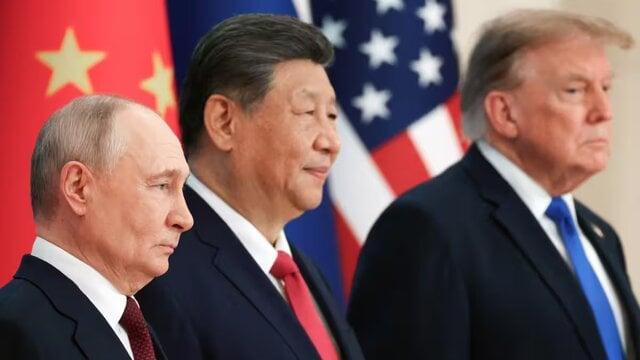
Brussels Plans European Preference for Quantum Contracts
The European Commission is preparing a Quantum Act that could favor EU-controlled suppliers in public contracts and strategic projects. A proposal is provisionally expected on November 24, though its provisions may change before adoption and would still need approval through the EU legislative process.
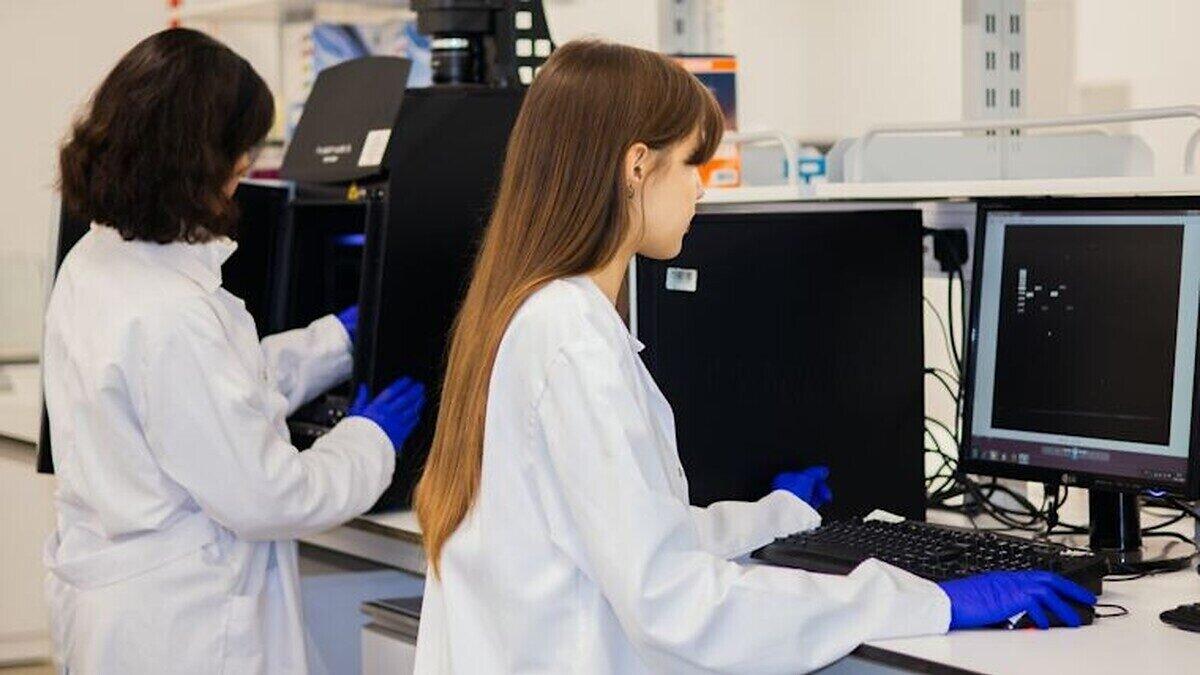
The European Commission is preparing a European preference for quantum technology contracts in Brussels, potentially favoring EU-controlled suppliers. The planned Quantum Act could restrict access to strategic projects and public purchases as Europe competes with the United States and China.
The Commission is provisionally expected to present the legislation on November 24. Its provisions could change before the Commission adopts a formal proposal, and any resulting law would require negotiation and approval.
Public contracts could favor EU firms
Draft proposals could require public authorities to favor quantum suppliers controlled within the European Union. Companies from countries with qualifying reciprocal agreements might also be eligible.
Participation in designated strategic projects could be limited to EU-controlled companies and qualifying international partners. Similar provisions could cover public purchases of quantum products, systems and services.
The approach would make ownership and control relevant alongside price and technical performance. Governments, research laboratories and publicly funded institutions are among the first significant customers for advanced quantum systems.
For young companies, those contracts can provide revenue and experience before they expand into commercial markets. The planned legislation also seeks coordinated investment and manufacturing support.
Europe faces a financing gap
The Commission's Quantum Europe Strategy identifies fragmented investment, industrial capacity and supply-chain security as challenges. European policymakers have also identified difficulties turning scientific capabilities into large-scale commercial production.
Quantum technology includes computing, sensitive measurement, secure communications and specialized components. Many applications remain at an early stage of commercial development.
Commission estimates indicate that US quantum startups have attracted substantially more private investment than their European counterparts. The industry requires expensive facilities, specialist staff and long development periods.
European firms may obtain public research funding yet struggle to raise money for manufacturing and international expansion. Some European technology companies have sought investment and stock-market listings outside the EU.
Security and trade questions remain
Quantum systems have security implications. Advanced quantum computers could eventually undermine some existing encryption, while quantum communications are being developed for sensitive information and critical infrastructure.
The Commission's existing policy includes work on a European quantum communication infrastructure with member states and the European Space Agency. Control of components, intellectual property and manufacturing capacity could become considerations in public contracts.
Restrictions also raise questions about competition, trade commitments and whether European suppliers can meet public buyers' technical needs. Quantum systems rely on specialized supply chains, international research and components from multiple countries.
The formal proposal will establish whether the reported procurement preferences are retained. Their eventual effect on companies will depend on how EU control is defined, how international partners are treated and how many contracts are covered.
 Take the quizWhat Kind of Holiday Spender Are You? Take the Black Friday QuizStart →




 Markets · FintechHow to Calculate Compound Interest: Formula, Examples and the Rule of 72
 Lifestyle · Food & HealthNormal Blood Pressure Chart by Age: Healthy Ranges Explained
 Lifestyle · Food & HealthWhat Is Raynaud’s Syndrome? Why Fingers Turn White in the Cold
 Lifestyle · Food & Health4 Ways Walking After Meals Helps Your Body, Doctors Say