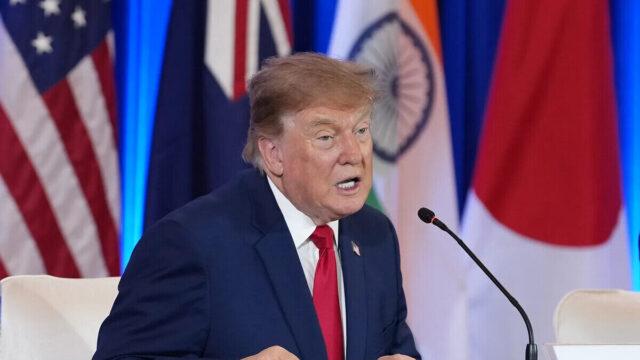
Alice Huang’s Gaming Ties Draw Scrutiny in Chip Probe
US authorities are investigating whether Megaspeed, a company formerly run by Alice Huang, helped funnel restricted AI processors into China. Corporate records link Huang to gaming businesses, while Nvidia says it blocked sales to Megaspeed and a subsidiary in 2025.
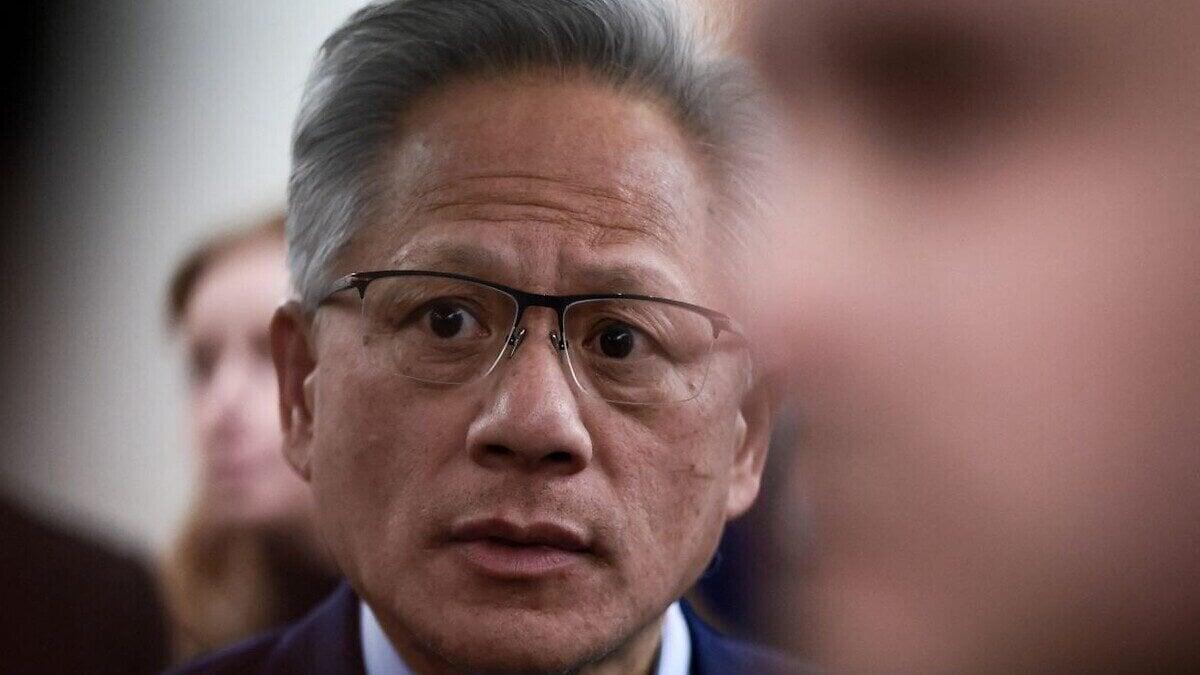
US authorities are investigating whether Megaspeed, formerly run by Alice Huang, helped funnel restricted AI processors into China. Huang's ties to gaming businesses are also under scrutiny, as corporate records connect her to companies associated with the alleged trade.
The investigation reaches across several countries. Megaspeed was formerly Nvidia's largest client in Southeast Asia.
Some US officials suspect Huang operated as a Chinese intelligence operative. Beijing has dismissed that claim as a “smear.”
Megaspeed has previously maintained that it “conducts legitimate and lawful business.”
Hardware imports and blocked sales
Speedmatrix, a Malaysian subsidiary of Megaspeed, imported $4.6 billion in hardware from a US server maker between December 2024 and December 2025, according to ImportGenius trade data.
People familiar with the shipments said many advanced processors crossed several borders into China. They said the processors sold for several times their retail value on the underground market.
Indonesian police found empty server racks at a local Megaspeed subsidiary during a raid. The racks had been stripped of their graphics processing units, the chips used in the systems.
Nvidia said it placed Megaspeed and a subsidiary on its block list in 2025. The chipmaker also restricted sales to Aivres, a server maker that had supplied Nvidia systems.
“We do not sell to them,” an Nvidia spokesperson said of Megaspeed and its subsidiary. The spokesperson said Nvidia would not approve a planned sale by a manufacturing partner if that partner identified either company as a customer.
Gaming connections to Megaspeed
Huang acquired the Singapore unit of 7Road International in 2023 and renamed it Megaspeed. The company was an offshore arm of a Shenzhen gaming firm backed by a fund run by Huang and her husband, Kang Wei.
The fund was called Hexi Investment. Separately, executives at Chinese gaming company Century Huatong planned to acquire an offshore shell company and present it as a cloud-computing provider.
Several Chinese clients of server maker Inspur had turned to Century Huatong after losing access to supplies. The US placed Inspur on its trade blacklist in March 2023 over allegations that it helped the Chinese military.
Inspur's partially owned subsidiary in San Jose, California, escaped the ban and became Aivres. Nvidia determined that Aivres met its compliance rules and continued supplying it as a manufacturing partner.
Corporate filings also linked Century Huatong to Hu Xiaowei, whom US authorities described as the “second-in-command” at Cambodia-based Prince Group. Hu previously served as a director alongside Century Huatong chairman Wang Ji at a now-dissolved Ningxia firm.
US authorities accuse Hu, who was arrested in Japan, of running cyber scams, money laundering and smuggling rings.
 Take the quizWhat Kind of Holiday Spender Are You? Take the Black Friday QuizStart →



 Markets · FintechHow to Calculate Compound Interest: Formula, Examples and the Rule of 72
 Lifestyle · Food & HealthNormal Blood Pressure Chart by Age: Healthy Ranges Explained
 Lifestyle · Food & HealthWhat Is Raynaud’s Syndrome? Why Fingers Turn White in the Cold
 Lifestyle · Food & Health4 Ways Walking After Meals Helps Your Body, Doctors Say